WSU Extension Publications Store
Welcome
This new Extension Publications Storefront is the location for obtaining both purchased publications and those which are free to download. Please use the menu options to browse publications or get additional info.
Please note: Due to limited personnel, order fulfillment may be delayed.
Additional Shipping Info
UPS Shipping Notice: The warehouse might opt for UPS Ground despite the customer’s request for UPS 2nd Day Air, particularly if both services have the same estimated arrival time.
Pickup Notice: If Pickup at Pullman Campus (2300 Grimes Way) is chosen as your preferred shipping option, please arrange a pickup time with us via phone or email, as we currently do not have “regular” availability in the office.
Items can be picked up at WSU Pullman, Cooper Publications Building, Room 2, 2300 Grimes Way, Pullman, WA 99164.
Recent Products
-
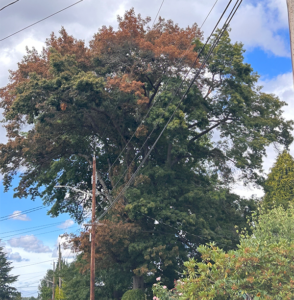
Mediterranean Oak Borer: A Potential Threat to Oak Trees in the Pacific Northwest
SKU: FS404EThe Mediterranean oak borer poses a growing threat to oak trees in the Pacific Northwest. Learn how to identify the beetle, recognize the signs and symptoms of infestation, and help monitor its spread in Washington.
Published: October 2026
-
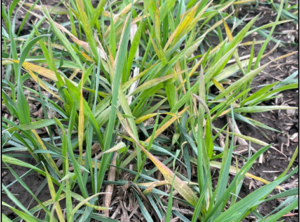
Have You Seen Me? Identifying Soilborne Wheat Mosaic Virus (SBWMV)
SKU: FS413ESoilborne wheat mosaic virus was first documented in Whitman County, Washington, in 2026 and can reduce wheat yields while persisting in soils for many years. Learn how to limit its spread and manage affected fields in this new publication.
Published: October 2026