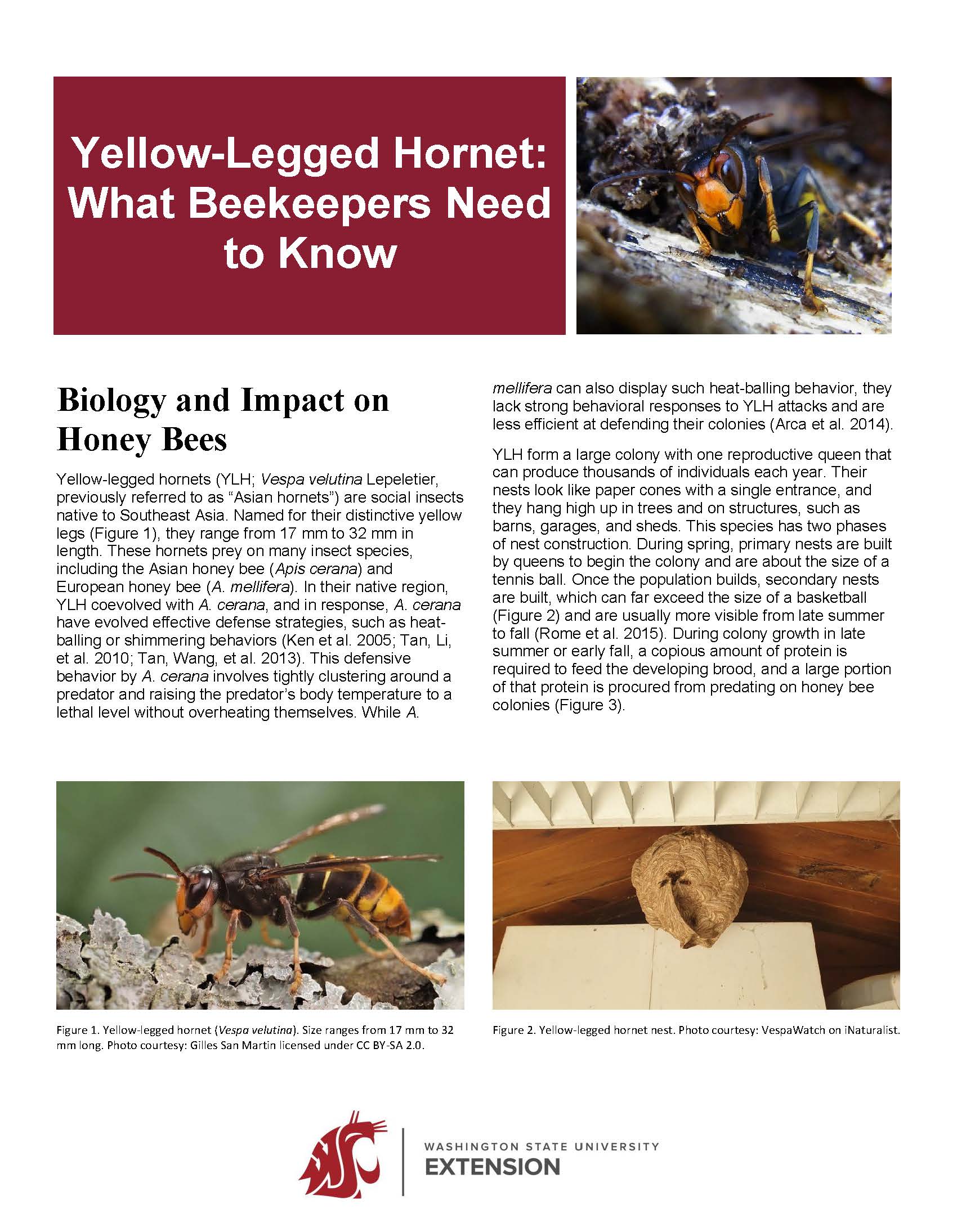
Yellow-Legged Hornet: What Beekeepers Need to Know
Posing a threat to US honey bees, the yellow-legged hornet is an invasive predator native to Southeast Asia. Climate models suggest the Pacific Northwest will increasingly resemble its native range. This WSU Extension publication provides information for beekeepers and the public on the hornet’s biology, behavior, and how to monitor and prepare.
Page Count: 7
Published: July 2025
Hurry! Only left in stock.
Related publications
-
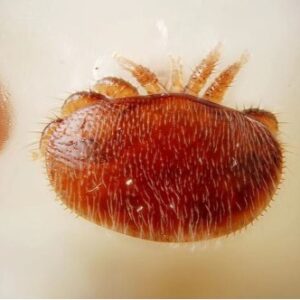
Oxalic Acid Options for Controlling Varroa destructor
Beekeepers can manage the damaging Varroa destructor mite using oxalic acid, a proven tool within integrated pest management. This WSU Extension publication walks you through the EPA-registered oxalic acid products and methods of application.
- Pages:
- 5
- Published:
- July 2025
- SKU:
- FS403E
Authors: -
Invertebrate Pest Management for Pacific Northwest Pastures
A well-managed pasture has several ecological and economic benefits. However, several species of arthropods (insects, mites and garden symphylans), and gastropods (slugs) inhabit pastures of the Pacific Northwest of the United States and can diminish…
- Pages:
- 32
- Published:
- August 2020
- Reviewed:
- January 2024
- SKU:
- PNW750
-
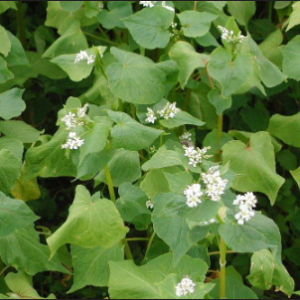
Cover Crops for Home Gardens West of the Cascades (Home Garden Series)
This WSU fact sheet is one of a three-part series on cover crops for home gardeners. It focuses on choosing the best cover crops for gardens in Washington and Oregon, west of the Cascades.
- Published:
- February 2014
- SKU:
- FS111E
-
A Citizen Science Guide to Wild Bees and Floral Visitors in Western Washington (Home Garden Series)
This easy-to-use field guide provides helpful tools to identify and monitor wild bees and pollinators in western Washington. Great for gardeners, farmers, conservationists, or anyone curious about floral visitors.
- Pages:
- 11
- Published:
- April 2017
- Revised:
- September 2025
- SKU:
- EM110E
Authors: