Soil-Biodegradable Plastic Mulch: Suitability for Sustainable and Organic Agriculture
Description
Polyethylene mulch is environmentally harmful and expensive to dispose of. Discover soil-biodegradable plastic mulch and learn more about it as a viable alternative.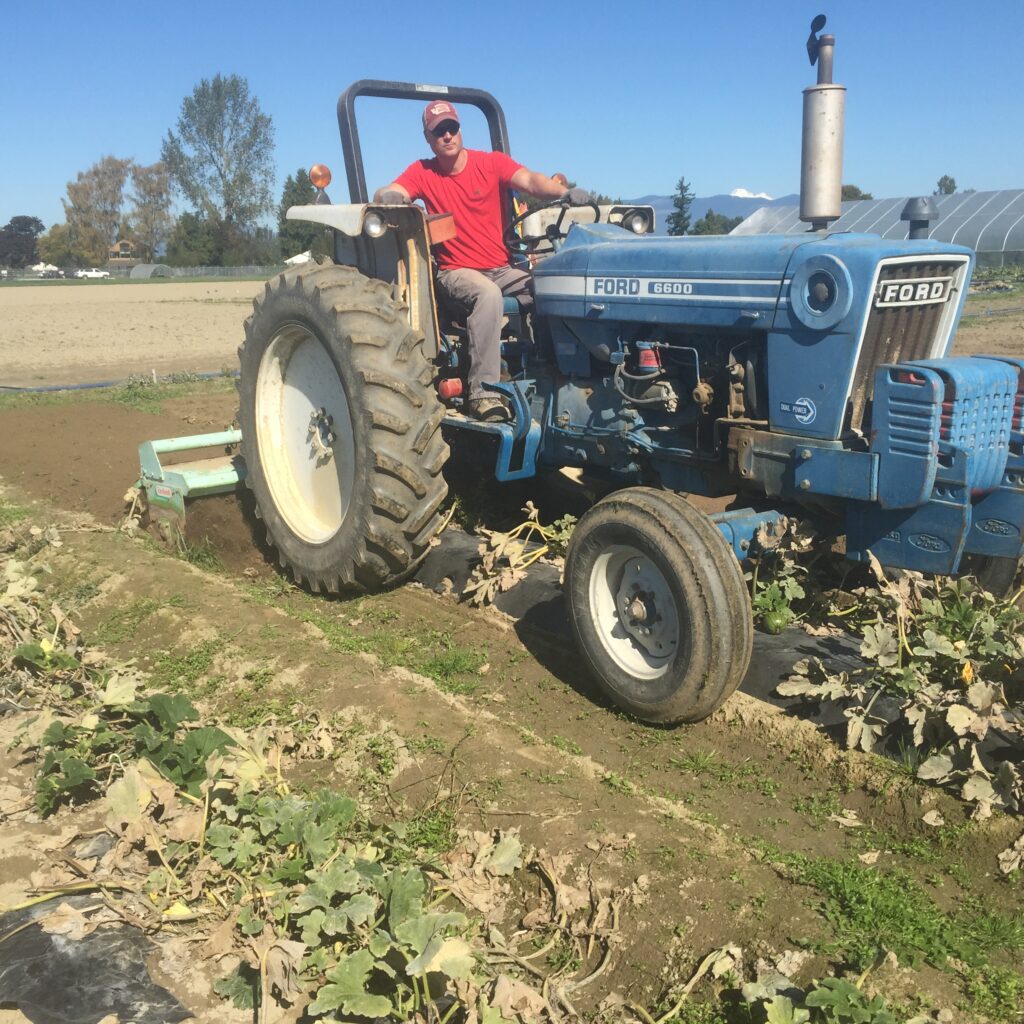
Soil-biodegradable plastic mulch (abbreviated as BDM hereafter) offers crop production benefits similar to polyethylene (PE) mulch but is designed to be tilled into the soil after use, thereby eliminating waste and disposal challenges. This publication explains the use of plastic mulch in agriculture, what BDMs are made from, and what constitutes biodegradability. It also provides information about the suitability of BDM for organic agriculture. A glossary of terms associated with the topic, adapted from Miles et al. (2015), is included before the list of references to provide readers with background information regarding plastics in general and biodegradability specifically.
Note: Terms included in the Glossary are bolded at their first use throughout this publication.
The Use of Plastic Mulch in Agriculture
PE mulch is used for crop production worldwide because it helps to conserve soil moisture, control weeds, increase soil temperature, and increase crop yield and crop quality compared to growing plants on bare ground (Tofanelli and Wortman 2020). An additional advantage of PE mulch is that it is readily available at a relatively low cost (Le Moine and Ferry 2019; Velandia et al. 2020). As the use of PE mulch increases, the global plastic mulch market is estimated to grow from $7.8 billion in 2023 to $10.6 billion by 2028 (MarketsandMarkets 2023).
One of the main disadvantages of using PE mulch is its nonbiodegradable nature, which can lead to persistent plastic pollution if it is not thoroughly removed from the field at the end of the cropping cycle and properly disposed of or recycled. However, PE mulch often fragments during removal, leading to macro- and microplastic pollution of soils (Li et al. 2022; Mohasin et al. 2025). In some areas (e.g., China and southern Spain), for the past few decades farmers have been using very thin (0.5 mil; 12.7 μm) PE mulch that fragments easily and in many cases they have annually incorporated this thin PE mulch into soil at the end of the season. This has led to plastic accumulation in field soil that is so significant such that soil water retention and crop yield are reduced (Dai et al. 2025; Liu et al. 2014; Steinmetz et al. 2016). PE mulch fragments from such fields are further dispersed into the environment by wind and water transport, thereby causing further pollution (Lwanga et al. 2022).
Removal and disposal of PE mulch is costly. Based on a survey of Tennessee fruit and vegetable growers, removal and disposal of PE mulch requires 17.25 labor hours per acre on average (Velandia et al. 2024). Using the 2025 US median adverse effect wage rate of $17.74/hour, this cost of labor is $306.02/acre; adding a $7.90/acre landfill fee for used PE (assuming $58/ton; EREF 2024), the total PE mulch disposal cost is approximately $314/acre. Landfill fees vary by region and over time. In 2024, rates ranged from $43.18/ton in the Southeast to $84.44/ton in the Northeast, thus the cost of disposing PE mulch can differ significantly depending on location and year (EREF 2024).
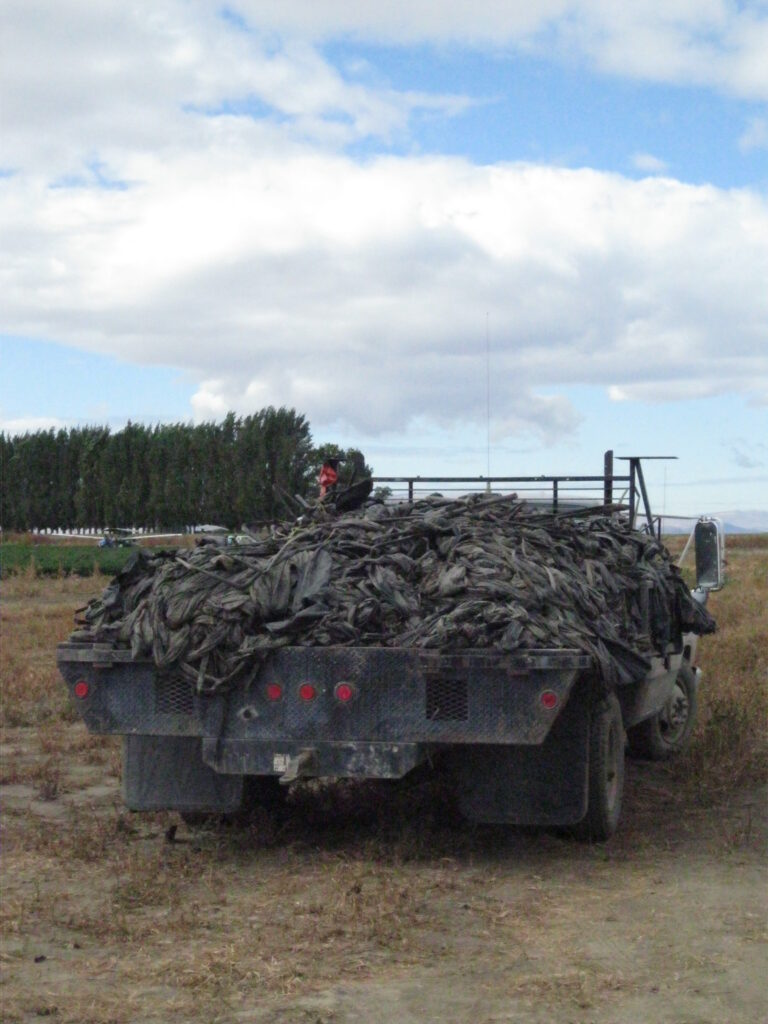
PE mulch recycling efforts have been initiated in some regions. Mechanical methods are the most common for recycling PE mulch, and other options being explored are advanced (chemical and thermal) and biological methods; however, these face technical and financial barriers (Sarpong et al. 2024). Many plastic recyclers will not accept PE mulch after its use because it is contaminated with soil and crop debris (up to 50%–80% by weight) (Ghimire and Miles 2016; Kasirajan and Ngouajio 2012), leading to less than 10% of PE mulch being recycled (Miles et al. 2017). Thus, most used PE mulch is disposed of in landfills, stockpiled, or burned on farms (Figure 1) (Goldberger et al. 2019).
PE mulch is long-lasting, and complete decomposition in soil is projected to take more than 300 years, with microplastics released in the soil during the process (Ramanayaka et al. 2024; Salama and Geyer 2023). Degradation of PE mulchin landfills is very slow, and environmentally harmful chemical by-products such as aldehydes and ketones can be formed during the degradation process (Hakkarainen and Albertsson 2004; Ohtake et al. 1998). On-farm burning of PE mulch can release airborne pollutants, such as dioxins, furans, particulate matter, and other toxic by-products (Levitan 2005).
Despite the benefits of PE mulch, the sustainability of crop production using PE mulch has been called into question because PE mulch is not biodegradable, is not readily recyclable, and contributes to environmental pollution if not properly removed and disposed of. BDMs offer solutions to disposal and environmental issues associated with PE mulch use.
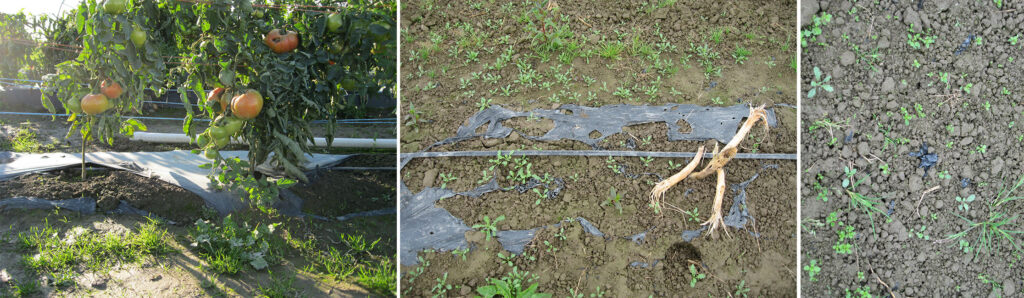
BDMs perform comparably to PE mulch for crop production, especially in terms of durability, weed control, and crop yield. Several studies have shown that BDMs are comparable to PE mulch in annual vegetable cropping systems (Ghimire et al. 2018; Li, Moore-Kucera, Miles, et al. 2014; Miles et al. 2012; Tofanelli and Wortman 2020; Yu et al. 2024) and strawberry production (Andrade et al. 2014; Costa et al. 2014; DeVetter et al. 2017), even though they begin to deteriorate during the cropping season (Figure 2). After BDM is incorporated into the soil at the end of the cropping season, it rapidly degrades without negatively affecting soil health, and short-term effects on soil quality indices are minor (Yu and Flury 2024; Yu et al. 2024). Field studies have further shown that degradation is a function of environmental factors, especially temperature and moisture (Brodhagen et al. 2015; Li, Moore-Kucera, Miles, et al. 2014; Li, Moore-Kucera, Lee, et al. 2014; Yu et al. 2024).
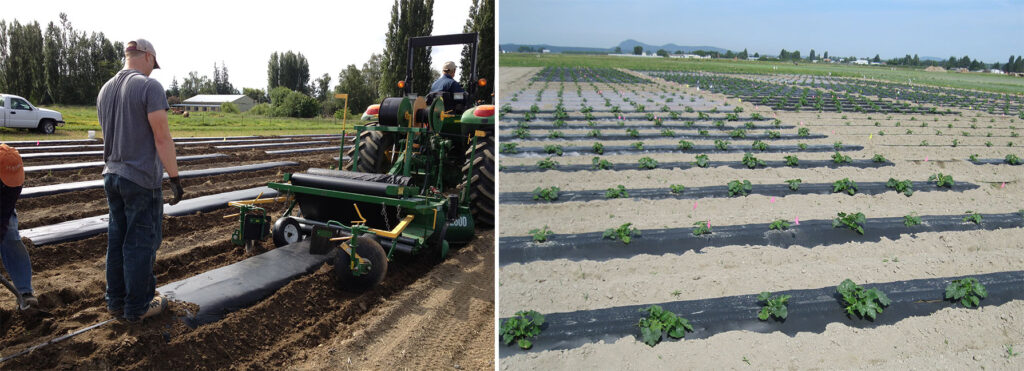
A long-term field study at Washington State University Northwestern Washington Research and Extension Center, Mount Vernon, Washington, has been assessing residues of soil-incorporated BDMs. Five BDM treatments in replicated plots were first applied in 2015 and were soil incorporated, with repeated application and incorporation for four consecutive years (Figure 3). Mulch recovery was assessed at six-month intervals through fall 2020 (two years after final incorporation). Despite annual incorporations, recovery of visible fragments (>2.36 mm) was constant or declined over time, indicating deterioration kept pace with new mulch applications. By fall 2020, recoverable mulch was 4%–16% of the cumulative applied mass (Griffin-LaHue et al. 2022).
What Constitutes “Biodegradability”?
The term “biodegradable” is often misused and misunderstood, especially when used to describe plastic. Much of this confusion stems from the need to first define the environment in which biodegradability occurs, as oxygen, temperature, and moisture levels will all affect both its extent and its rate (how long it takes for biodegradation to occur). For example, a plastic may be biodegradable under one environment (such as composting) but not another (such as in the field). Therefore, when stating that a plastic is biodegradable, it is also necessary to state the environment under which it is biodegradable. For example, the ASTM International (formerly known as the American Society for Testing and Materials) standard D6400, and a similar standard issued by the International Organization for Standardization, ISO 17088, specify criteria for the biodegradability of plastics under industrial composting conditions based on standardized laboratory tests (ASTM International 2012). ASTM D6400 requires use of ASTM D5338, a standardized test that measures the aerobic biodegradation of plastic materials under controlled industrial composting conditions, such as 131°F plus or minus 3.6°F (55°C ± 2°C), using a compost mixture with defined organic content, moisture levels of approximately 50% water holding capacity, and a pH of approximately 7.0–8.5. The ASTM D6400 standard specifies that 90% of the polymer material’s organic carbon atoms must be converted into CO2 in 180 days through microbial respiration, according to the conditions of ASTM D5338. Although biomass formation and water are natural by-products of microbial activity, they are not directly quantified by this standard. Thus, full biodegradation to CO2, water, and organic matter is the conceptual endpoint, but only CO2 evolution is used as the measurable criterion. Importantly, certification as “compostable” under ASTM D6400 or ISO 17088 does not imply that a material is soil-biodegradable.
The European standard EN 17033 specifies requirements for the biodegradability, ecotoxicity, chemical composition, and performance of biodegradable mulch films used in agriculture (CEN 2018). Adopted by the European Committee for Standardization (CEN) in 2018, EN 17033 defines a mulch film as biodegradable in soil if at least 90% of its organic carbon is converted to CO2 within two years under controlled laboratory conditions, including temperature in the range of 68°F to 82.4°F (20°C to 28°C), following the ISO 17556 test method (aerobic biodegradation in soil). The ecotoxicity requirement ensures that residues are nontoxic to soil organisms, plants, and the environment, and that the film contains no harmful heavy metals or persistent pollutants. As with ASTM D6400 for composting, EN 17033 provides a scientifically validated benchmark, ensuring that mulch films labeled “biodegradable” truly break down under field‐relevant soil conditions and leave no harmful residues.
Third-party certification programs are used to verify these claims, including TÜV Austria’s “OK biodegradable SOIL,” which certifies products that meet ISO 17556-based soil-biodegradation, disintegration, ecotoxicity, and heavy-metal criteria, and DIN CERTCO, which issues the “Biodegradable in Soil” mark for agricultural mulch films that conform to DIN EN 17033. Because the United States currently has no soil-biodegradable plastic standard or certification equivalent (unlike compostability under ASTM D6400), manufacturers and buyers in the US typically rely on these European certifications when substantiating soil-biodegradability claims.
The ability of a BDM to meet the composting standard is considered the first critical test of biodegradability; if a mulch is not compostable, it will likely not biodegrade under field conditions. Thus, farmers and others using or recommending BDMs should first check to see if the product has been tested according to the ASTM or ISO composting standard and meets the biodegradability criteria. If the product has not been tested, then it should be assumed the mulch is not biodegradable.
Currently no standard exists for assessing the biodegradability of plastics buried in soil under field conditions. Although the EN 17033 standard ensures the biodegradability of biodegradable plastic mulch in soil, testing is done in the laboratory.
How BDMs Are Made
Understanding the ingredients of BDMs and how they are made will expand the general understanding of these materials. BDM is made from feedstocks (raw materials) that are either biobased, fossil-derived, or a blend of the two. Biobased polymers can be divided into three categories, which are based on the production method: (1) extracted directly from natural materials, such as plants (e.g., starch and cellulose); (2) produced by chemical synthesis of biologically derived monomers, such as synthetic polymerization of lactic acid into polylactic acid (PLA); and (3) produced by microorganisms, such as polyhydroxyalkanoates (PHA) (Jamshidian et al. 2010). Polymers such as PLA or PHA have deficiencies in mechanical properties compared to PE but blending improves the mechanical properties. For instance, PLA by itself is very brittle, but a blend of PLA with PHA or polybutylene adipate-co-terephthalate (PBAT) is less brittle. The most common biobased polymeric feedstocks used to make BDMs are starch, PLA, and PHA. Table 1 includes the resin, certification status, polymer composition, source of feedstock, and soil biodegradability rating for BDMs. The publication Soil-Biodegradable Plastic Mulches (BDMs) Commercially Available in the U.S. (Ghimire et al. 2025) provides a list of BDM products with certification information.
Table 1. Resin, certification status, polymer composition, source of feedstock, and soil biodegradability rating for BDMs.| Resins | Certification | Polymers1 | Source | Soil-biodegradability |
|---|---|---|---|---|
| Mater-Bi | - TUV Austria OK Biodegradable SOIL | PBAT2 | Fossil-derived | High |
| Mater-Bi | - EN 13432 | PBAT | Fossil-derived | High |
| Mater-Bi | - ASTM D64002 | TPS | Biobased | Very High |
| Ecovio | - Same as above | PBAT | Fossil-derived | High |
| Ecovio | - Same as above | PLA | Biobased | Low |
1 PBAT = polybutylene adipate-co-terephthalate; PLA = polylactic acid; TPS = thermoplastic starch.
2 Can be partially biobased, depending on the manufacturer.
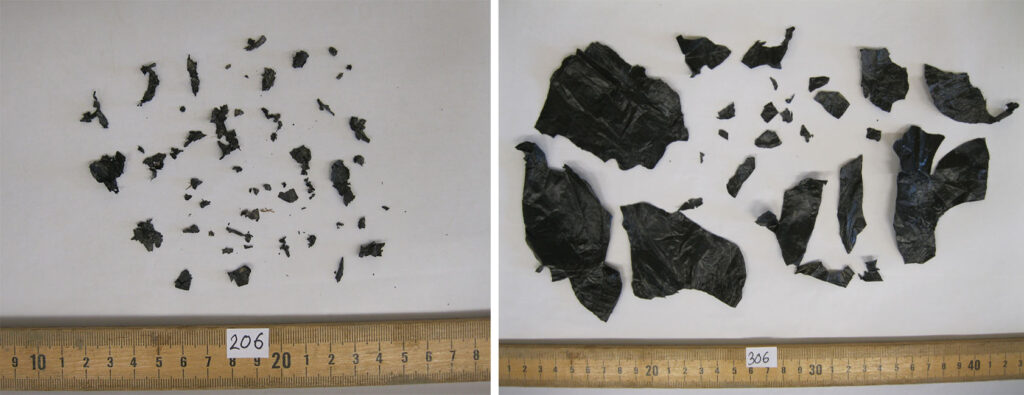
It is worth noting that the percentage of biobased carbon is not an indicator of plastic biodegradation. Under field conditions, some biobased ingredients such as PLA require higher temperature for biodegradation (Figure 4). This information is of particular importance for organic agriculture as the USDA National Organic Program (NOP) rule requires that BDMs must be 100% biobased while PE mulch that contains no biobased ingredients is allowed in certified organic production, provided it is removed at the end of every growing season (USDA National Organic Program 2015; USDA 2014).
Starch is a natural polysaccharide composed of straight-chain amylose and short-chain, branched amylopectin. Starch used in biodegradable plastics is frequently derived from corn (Zea mays), sugar beet (Beta vulgaris), potatoes (Solanum tuberosum), and cassava (Manihot esculenta). Starch can be converted into thermoplastic starch (TPS) through extrusion under heat and shear with plasticizers such as glycerol and other polyols (organic compounds that contain multiple hydroxyl groups), which enables melt processing into film blends (Menossi et al. 2021). TPS costs less than other starch feedstocks and is now the most common biobased feedstock used in BDMs (Menossi et al. 2021). Starch sourced in the US may be derived from genetically modified (GM) crops, specifically corn or sugar beets. The use of genetically modified organisms (GMOs) is not permitted in organic agriculture as they are considered an excluded method.
PBAT is used in many commercially available BDMs as a primary structural polymer because it provides flexibility and tear resistance that support mechanical application and durability during mulch usage (Tullo et al. 2021). PBAT is often blended with fillers such as starches or biobased polyesters to reduce cost, stiffness, and rate of biodegradation (Yu et al. 2024). Poly(butylene succinate) (PBS) and related copolymers may also be present in some biodegradable mulch formulations, typically as part of blends rather than as stand-alone films (Yu et al. 2024).
PLA is a thermoplastic polyester derived from renewable resources, such as corn starch. To produce PLA, starch is fermented by yeasts (e.g., Saccharomyces sp.) or other microorganisms to produce lactic acid, which is then polymerized synthetically through a series of chemical reaction steps. PLA can be produced relatively inexpensively in large quantities compared to other biobased biopolymers (Hayes et al. 2012; Khouri et al. 2024).
PHA is a class of polyesters created by a natural, one-step bacterial fermentation of plant sugars and lipids. Over 300 different bacteria can produce PHA (Vicente et al. 2023). Poly(hydroxybutyrate) (PHB) and poly(hydroxyvalerate) (PHV) have historically been the most important commercial PHAs, due to their relative ease of microbial production and well-documented properties (Gautam et al. 2024). Although PHV homopolymer exists, poly(hydroxybutyrate-co-valerate) (PHBV) copolymers dominate commercial PHA use because they improve on PHB’s brittleness and processing limitations. Advances in biosynthesis and processing methods, along with investments in commercial facilities, have lowered the price and increased the worldwide supply of PHA. Although PLA and PHA can be produced without using GMOs during the fermentation process, an increasing number of lactic-acid fermentations for PLA use GM yeast and bacteria for increased productivity (Myburgh et al. 2023; Paduvari and Somashekara 2025; USDA AMS 2012). However, there is no publicly available evidence that quantifies the global share of PLA or PHA produced via GM organisms.
BDM Manufacturing and Minor Additives
BDMs are produced using conventional plastic film-processing technologies that include base polymers and minor additives such as plasticizers, lubricants or processing aids, compatibilizers, nucleating agents, pigments or colorants, and stabilizers (Hayes et al. 2019). For black-colored BDM, the pigment or colorant is usually carbon black, which may or may not be naturally derived. Standards for BDMs include limits on chemical constituents, such as heavy metals, and ecotoxicity requirements, which ensure that no harmful residues accumulate in soil as BDMs deteriorate and biodegrade. BDM formulations are proprietary, so it can be difficult to determine if any components are derived using GMOs. Biobased products are not routinely tested for GMO content using broad-spectrum qualitative polymerase chain reaction (PCR) methods, as DNA or RNA may be degraded during fermentation and polymer processing to the point that GMO status is not reliably detectable (Miles et al. 2017).
The constituents of BDM impact its tensile strength and elongation, provide stability against ultraviolet (UV) oxidation, and modify water and gas permeability, thereby influencing the rate of deterioration and degradation. Additives provide a balance between delaying degradation and deterioration so the BDM remains intact during the cropping season, and enabling fragmentation and microbial activity after soil incorporation so the BDM biodegrades in a timely manner. This balance leads to variability in biodegradation across environments as a formulation that is well suited to a warm climate may degrade too slowly in a cool climate (Madin et al. 2024; Sintim et al. 2020).
BDM in Organic Agriculture
The USDA NOP added biodegradable 100% biobased plastic mulch to the list of allowed synthetic substances for organic crop production in October 2014. According to the organic standard (7 Code of Federal Regulations, Section 205.601 [USDA 2014]), an acceptable BDM film must:
- Fulfill criteria for being biobased as evaluated using standardized tests such as ASTM D6866.
- Be produced without organisms or feedstock derived from excluded methods (e.g., GMOs) [7 C.F.R., Section 205.601(b)(2)(iii)].
- Meet compostability specifications of either ASTM D6400, ASTM D6868, European Standards (EN) 13432, EN 14995, or ISO 17088 (7 C.F.R., Section 205.2).
- Reach at least 90% biodegradation in the soil within two years or less as evaluated using standardized tests such as ISO 17556 or ASTM D5988.
No BDM products have been approved for use in organic cropping systems in the US because currently available materials are not fully biobased (OMRI 2015). At present, most commercially available BDMs contain no more than 20% biobased carbon, while manufacturers claim that current technology could enable them to manufacture mulches that are up to 50% biobased but with significant increase in cost of production. Furthermore, the NOP prohibits the use of GMOs in the feedstocks or production processes of BDMs (USDA 2013), and the primary biobased polymers used to make BDMs (PLA and PHA) are produced through fermentation using GM yeast and bacteria.
The NOP criteria for BDMs create an inconsistency in organic standards that does not reflect current scientific understanding or practical realities. The requirement for 100% biobased and non-GMO inputs overlooks the issue that conventional PE mulch has no specifications regarding ingredients or manufacturing processes and it contributes to long-term plastic accumulation and microplastic pollution. BDM biodegradation forms micro- and nanoplastic fragments (Liao and Chen 2021), however they are unlikely to accumulate to concentrations that could harm soil health or ecosystems (Yu and Flury 2024; Yu et al. 2021). Further, while the NOP prohibits GMOs in the production of biodegradable mulches, it allows the use of GMO-derived vaccines in organic livestock systems when no alternatives exist, recognizing the importance of animal health and broader system sustainability. Applying a similar logic, the use of partially biobased or GMO-derived components in BDM processing could be justified if the final product demonstrably biodegrades safely in soil, does not negatively impact soil health, contributes less to plastic pollution, and supports sustainable production goals.
Thus, the current NOP criteria are counterproductive to the spirit of organic agriculture, which emphasizes ecological balance, soil health, and resource conservation. A more equitable and science-based approach would evaluate BDMs based on their environmental performance and end-of-life outcomes, rather than solely on the origin of their carbon or the genetic status of their processing methods.
In Field Testing of BDM
While there is currently no universally accepted standard for testing the biodegradability of plastic mulches under field conditions, many commercially available BDMs have undergone laboratory testing for biodegradation or compostability, as described in ASTM D6400 and related standards. The European standards EN 17033 and TUV Soil also provide guidance for assessing mulch biodegradability in soil. Recognizing the gap between controlled lab tests and variable on-farm environments, Ghimire et al. (2020) developed a field sampling and analysis method to quantify the degradation of BDMs under real soil and climatic conditions. Zhou and Flury (2025) modified this field sampling method to make it more practical for large-scale field sampling. These methods represent an important advancement toward field-relevant testing protocols that complement existing laboratory standards.
Before using a BDM, growers and agricultural professionals should confirm that it has been evaluated using these standardized tests. If the product label does not include the biodegradability standard test (e.g., “meets TUV Soils”), then it should be assumed the product does not meet the standards. Further, growers and agricultural professionals should consider validating BDM biodegradability in their environment using the field sampling methods.
A decade of multistate work led by Washington State University and University of Tennessee shows that BDMs deliver crop yield and quality comparable to PE in vegetables. The pace of in-soil breakdown depends strongly on film chemistry and thickness as well as local soil-climate conditions, underscoring the need to pilot-test products where they will be used (Yu and Flury 2024). Long-term field evaluations in Washington and Tennessee report no negative effects of BDMs on soil physical, chemical, or biological properties relative to PE (Sintim et al. 2021). Economically, although BDM rolls usually cost more than PE, savings from eliminating end-of-season removal and landfill disposal costs can offset or exceed that difference in cost when typical labor rates and tipping fees are taken into consideration (Velandia et al. 2024). Adoption studies also find many growers are willing to use BDM, even at a modest price premium, because of labor or time savings and reduced plastic waste (Velandia et al. 2020). Before scaling up, growers should test a BDM that meets recognized biodegradability benchmarks (e.g., EN 17033, TUV Soil) in their farming system to ensure it meets their expectations. The standardized on-farm soil-sampling method developed by Zhou and Flury (2025) can be used to quantify visible mulch fragments of soil-incorporated BDM and to track degradation over seasons.
Prospects for BDM in Organic and Sustainable Agriculture
The cost of biobased feedstocks is typically about two to two and a half times that of petrochemical inputs. Given this price gap, a practical near-term trajectory is a shift from today’s 20% biobased content in BDMs to 40%–50% over the next three to five years. Developments are underway to replace the fossil-based raw materials used to make PBAT with renewable feedstocks, such as waste and residual biomass (BASF 2024). However, achieving 100% biobased BDMs that are cost competitive with PE mulch is unlikely in the foreseeable future.
GM microbes are used to ferment feedstocks for BDM production because they improve fermentation efficiency and lower costs. Using non-GE microbes does not make BDMs more biodegradable. Consequently, if US organic rules continue to mandate both 100% biobased content and non-GMO processes, it is not likely that BDM manufacturers will be able to deliver affordable, compliant products.
While current prohibitions on non-biobased feedstocks and GMOs limit BDM use in US organic systems, environmental and economic sustainability are best served when mulches are fully biodegradable and cost-effective. Because biodegradation does not depend on the proportion of biobased carbon (as illustrated in Figure 4), the priority should be to verify complete biodegradation under field conditions and to understand the fate and effects of breakdown products during their residence time in the soil, rather than focusing on carbon source. Fossil-derived polymers can be manufactured into fully biodegradable materials and GE microbes can reduce production costs for biobased plastics—and both support economic sustainability. A BDM that completely biodegrades offers a sustainable alternative to PE mulch by reducing agricultural plastic waste, supporting crop productivity, and protecting soil health and overall environmental quality.
Acknowledgements
We would like to thank Jeremy Cowan and Debbie Inglis for their contributions to the original version of this publication. We would also like to extend our thanks to Pierre Sarazin and Dan Martens for their review and feedback on this publication. Additionally, we thank Nicole Davidow for proofreading.
This work is supported by USDA NIFA CPPM award #2021-70006-35582, USDA SCRI award #2022-51181-38325, and WSARE award #2019-51181-30012. Any opinions, findings, conclusions, or recommendations expressed in this publication are those of the authors and do not necessarily reflect the view of the USDA. Trade names have been used to simplify information; no endorsement is intended.
Glossary
aldehyde. Organic compound in which a carbonyl group, a functional group composed of a carbon atom double bonded to an oxygen atom, is bonded to one hydrogen atom and to one alkyl group or side chain.
biobased. Biobased feedstocks are obtained from renewable resources, that is, plant or animal mass derived from carbon dioxide recently fixed by photosynthesis.
biodegradable plastic. Degradable plastic in which the degradation results from the action of living organisms such as bacteria, fungi, and algae.
biologically derived. Natural substances derived from living organisms, such as cells, tissues, proteins, and DNA.
biosynthesis. Enzyme-catalyzed process where simple compounds are joined together or converted into other compounds in living organisms.
carbon black. Black color pigment, produced from coal tar, biomass, or vegetable oil.
chemical synthesis. Purposeful execution of chemical reactions to obtain a product, or several products.
composting. A managed process in aerobic conditions of the biological decomposition of biodegradable materials into carbon dioxide, water, and stabilized organic matter called compost.
copolymer. Polymerization of two or more different monomers.
degradation. For plastic, change in properties of the polymer-based product, such as mechanical strength, color, or shape, due to environmental factors, such as sunlight, heat, moisture, acids and bases, and microorganisms.
extrusion. A process by which a heated polymer is forced through an orifice or die to form a molten stream that is cooled to form a filament fiber, thin film, or a ribbon possessing specific geometric shape.
fermentation. The process in which cells (microorganisms, plant, or animal cells) are cultured in a bioreactor in liquid or solid medium to convert organic substances into biomass (cell growth) or into particular products (polymers).
fillers. Particles added while manufacturing plastics to lower the consumption of more expensive materials or to improve properties of the material (e.g., calcium carbonate).
genetically modified organism (GMO). An organism whose genetic material has been altered using genetic engineering techniques; also referred to as a genetically engineered organism (GEO).
ketone. Organic compound in which a carbonyl group, a functional group composed of a carbon atom double bonded to an oxygen atom, is bonded to two carbon atoms.
monomer. Molecule that can react with other molecules to form very large molecules, or polymers.
plasticizer. Additive that increases the plasticity or viscosity of a material.
polyester. Polymer that contains the ester functional group in its main chain. Polyesters include naturally occurring chemicals, such as the cutin of plant cuticles, as well as synthetics through step-growth polymerization, such as polybutyrate, and frequently possess high biodegradability.
polymer. A molecule of high relative molecular mass, the structure of which essentially comprises the multiple repetition of units derived, actually or conceptually, from molecules of low relative molecular mass.
polymerase chain reaction (PCR) test. Technique to amplify a single copy or a few copies of a segment of DNA across several orders of magnitude, generating thousands to millions of copies of the DNA sequence.
polymerization. Any process in which relatively small molecules, called monomers, combine chemically to produce a very large chainlike or network molecule, called a polymer.
polysaccharide. Polymeric carbohydrate molecule composed of long chains of monosaccharide units bound together by glycosidic linkages.
resin. the base polymer raw material—natural or synthetic—used to make plastic products (e.g., mulch films), typically supplied as pellets and later compounded with additives.
thermoplastic. Polymer that becomes pliable or moldable above a specific temperature and solidifies upon cooling.
References
Andrade, C.S., M.D. Palha, and E. Duarte. 2014. Biodegradable Mulch Films Performance for Autumn–Winter Strawberry Production. Journal of Berry Research 4(4): 193–202.
ASTM International. 2012. Standard Specification for Labeling of Plastics Designed to Be Aerobically Composted in Municipal or Industrial Facilities. ASTM D6400-12. ASTM International.
BASF. 2024. An Industry-First: BASF Is Expanding Its Biopolymers Portfolio by Introducing Biomass-Balanced ecoflex® (PBAT). Trade News.
Brodhagen, M., M. Peyron, C. Miles, and D.A. Inglis. 2015. Biodegradable Plastic Agricultural Mulches and Key Features of Microbial Degradation. Applied Microbiology and Biotechnology 99: 1039–56.
CEN (Comité Européen de Normalisation). 2018. Plastics—Biodegradable Mulch Films for Use in Agriculture and Horticulture—Requirements and Test Methods (EN 17033:2018).
Costa, R., A. Saraiva, L. Carvalho, and E. Duarte. 2014. The Use of Biodegradable Mulch Films on Strawberry Crop in Portugal. Scientia Horticulturae 173: 65–70.
Dai, J., C. Hu, M. Flury, et al. 2025. National Inventory of Plastic Mulch Residues in Chinese Croplands from 1990 to 2050. Global Change Biology 31:e70297.
DeVetter, L.W., H. Zhang, S. Ghimire, S. Watkinson, and C.A. Miles. 2017. Plastic Biodegradable Mulches Reduce Weeds and Promote Crop Growth in Day-Neutral Strawberry in Western Washington. HortScience 52(12): 1700–06.
EREF (Environmental Research and Education Foundation). 2024. Analysis of Municipal Solid Waste Landfill Tipping Fees—2023.
Gautam, S., A. Gautam, J. Pawaday, R.K. Kanzariya, and Z. Yao. 2024. Current Status and Challenges in the Commercial Production of Polyhydroxyalkanoate-Based Bioplastic: A Review. Processes 12: 1720.
Ghimire, S., M. Flury, E.J. Scheenstra, and C.A. Miles. 2020. Sampling and Degradation of Biodegradable Plastic and Paper Mulches in Field After Tillage Incorporation. Science of the Total Environment 703: 135577.
Ghimire, S., and C. Miles. 2016. Dimensions and Costs of Polyethylene, Paper, and Biodegradable Plastic Mulch. Department of Horticulture, Washington State University Northwestern Research and Extension Center, Mount Vernon (WA).
Ghimire, S., G. Puerto, L. DeVetter, and C. Miles. 2025. Soil-Biodegradable Plastic Mulches (BDMs) Commercially Available in the U.S. Washington State University Extension.
Ghimire, S., A.L. Wszelaki, J.C. Moore, D.A. Inglis, and C.A. Miles. 2018. Use of Biodegradable Mulches in Pie Pumpkin Production. HortScience 53: 288–94.
Goldberger, J.R., L.W. DeVetter, and K.E. Dentzman. 2019. Polyethylene and Biodegradable Plastic Mulches for Strawberry Production in the United States: Experiences and Opinions of Growers in Three Regions. HortTechnology 29: 619–28.
Griffin-LaHue, D., S. Ghimire, Y. Yu, E.J. Scheenstra, C.A. Miles, and M. Flury. 2022. In-Field Degradation of Soil-Biodegradable Plastic Mulch Films in a Mediterranean Climate. Science of the Total Environment 806: 150238.
Hakkarainen, M., and A.C. Albertsson. 2004. Environmental Degradation of Polyethylene. Advances in Polymer Science 169: 177–200.
Hayes, D.G., S. Dharmalingam, L. Wadsworth, K. Leonas, C. Miles, and D. Inglis. 2012. Biodegradable Agricultural Mulches Derived from Biopolymers. In Degradable Polymers and Materials: Principles and Practice, edited by K. Khemani and C. Scholz, 2nd edition. ACS Symposium Series; 1114. American Chemical Society/Oxford University Press.
Hayes, D.G., M.B. Anunciado, J.M. DeBruyn, et al. 2019. Biodegradable Plastic Mulch Films for Sustainable Specialty Crop Production. In Polymers for Agri-Food Applications: T.J. Gutierrez, ed., p. 183–213. Springer Nature.
Jamshidian, M., E.A. Tehrany, M. Imran, M. Jacquot, and S. Desobry. 2010. Poly-Lactic Acid: Production, Applications, Nanocomposites, and Release Studies. Comprehensive Reviews in Food Science and Food Safety 9: 552–71.
Kasirajan, S., and M. Ngouajio. 2012. Polyethylene and Biodegradable Mulches for Agricultural Applications: A Review. Agronomy for Sustainable Development 32: 501–29.
Khouri, N.G., J.O. Bahú, C. Blanco-Llamero, P. Severino, V.O.C. Concha, and E.B. Souto. 2024. Polylactic Acid (PLA): Properties, Synthesis, and Biomedical Applications—A Review of the Literature. Journal of Molecular Structure 1309: 138243.
Le Moine, B., and X. Ferry. 2019. Plasticulture: Economy of Resources. Acta Horticulturae 1252: 121–30.
Levitan, L. 2005. Reducing Dioxin Emissions by Recycling Agricultural Plastics: Creating a Viable Alternative to Open Burning. Great Lakes Regional Pollution Prevention Roundtable.
Li, S., F. Ding, M. Flury, et al. 2022. Macro- and Microplastic Accumulation in Soil from 32 Years of Plastic Film Mulching. Environmental Pollution 300: 118945.
Li, C.H., J. Moore-Kucera, J. Lee, et al. 2014. Effects of Biodegradable Mulch on Soil Quality. Applied Soil Ecology 79: 59–69.
Li, C., J. Moore-Kucera, C. Miles, et al. 2014. Degradation of Potentially Biodegradable Plastic Mulch Films at Three Diverse U.S. Locations. Agroecology and Sustainable Food Systems 38: 861–89.
Liao, J., and Q. Chen. 2021. Biodegradable Plastics in the Air and Soil Environment: Low Degradation Rate and High Microplastics Formation. Journal of Hazardous Material 418: 126329.
Liu, E.K., H.Q. He, and C.R. Yan. 2014. ‘White Revolution’ to ‘White Pollution’—Agricultural Plastic Film Mulch in China. Environmental Research Letters 9: 091001.
Lwanga, E.H., N. Beriot, F. Corradini, et al. 2022. Review of Microplastic Sources, Transport Pathways, and Correlations with Other Soil Stressors: A Journey from Agricultural Sites into the Environment. Chemical and Biological Technologies in Agriculture 9(1): 20.
Madin, M., K. Nelson, K. Fatema, et al. 2024. Synthesis of Current Evidence on Factors Influencing the Suitability of Synthetic Biodegradable Mulches for Agricultural Applications: A Systematic Review. Journal of Agricultural Food Research 16: 101095.
MarketsandMarkets. 2023. Mulch Films Market—Trends, Growth and Forecast. MarketsandMarkets Research Pvt. Ltd.
Menossi, M., M. Cisneros, V.A. Alvarez, et al. 2021. Current and Emerging Biodegradable Mulch Films Based on Polysaccharide Bio-Composites: A Review. Agronomy for Sustainable Development 41: 53.
Miles, C., L. DeVetter, S. Ghimire, and D. Hayes. 2017. Suitability of Biodegradable Plastic Mulches for Organic and Sustainable Agricultural Production Systems. HortScience 52: 10–15.
Miles, C., S. Ponnaluru, S. Galinato, et al. 2015. Glossary of Terms Associated with Biodegradable Mulches for Specialty Crops. University of Tennessee.
Miles, C., R. Wallace, A. Wszelaki, et al. 2012. Deterioration of Potentially Biodegradable Alternatives to Black Plastic Mulch in Three Tomato Production Regions. HortScience 47: 1270–77.
Mohasin, M., K. Habib, P.S. Rao, M. Ahmad, and S. Siddiqui. 2025. Microplastics in Agricultural Soils: Sources, Impacts, and Mitigation Strategies. Environmental Monitoring and Assessment 197: 684.
Myburgh, M.W., L. Favaro, W.H. van Zyl, and M. Viljoen-Bloom. 2023. Engineered Yeast for the Efficient Hydrolysis of Polylactic Acid. Bioresource Technology 378: 129008.
Ohtake, Y., T. Kobayashi, H. Asabe, and N. Murakami. 1998. Studies on Biodegradation of LDPE—Observation of LDPE Films Scattered in Agricultural Fields or in Garden Soil. Polymer Degradation and Stability 60: 79–84.
OMRI (Organic Materials Review Institute). 2015. Report on Biodegradable Biobased Mulch Films. Prepared for USDA National Organic Program.
Paduvari, R., and D.M. Somashekara. 2025. Advancements in Genetic Engineering for Enhanced Polyhydroxyalkanoates (PHA) Production: A Comprehensive Review of Metabolic Pathway Manipulation and Gene Deletion Strategies. Bioengineered 16.
Ramanayaka, S., H. Zhang, and K.T. Semple. 2024. Environmental Fate of Microplastics and Common Polymer Additives in Non-Biodegradable Plastic Mulch Applied Agricultural Soils. Environmental Pollution 363: 125249.
Salama, K., and M. Geyer. 2023. Plastic Mulch Films in Agriculture: Their Use, Environmental Problems, Recycling and Alternatives. Environments 10: 179.
Sarpong, K.A., F.A. Adesina, L.W. DeVetter, et al. 2024. Recycling Agricultural Plastic Mulch: Limitations and Opportunities in the United States. Circular Agricultural Systems 4: e005.
Sintim, H.Y., A.I. Bary, D.G. Hayes, et al. 2020. In Situ Degradation of Biodegradable Plastic Mulch Films in Compost and Agricultural Soils. Science of the Total Environment 727: 138668.
Sintim, H.Y., S. Bandopadhyay, M.E. English, et al. 2021. Four Years of Continuous Use of Biodegradable Plastic Mulch: Effects on Soil and Groundwater Quality. Geoderma 381: 114665.
Steinmetz, Z., C. Wollmann, M. Schaefer, et al. 2016. Plastic Mulching in Agriculture: Trading Short-Term Agronomic Benefits for Long-Term Soil Degradation. Science of the Total Environment 550: 690–705.
Tofanelli, M.B.D., and S.E. Wortman. 2020. Benchmarking the Agronomic Performance of Biodegradable Mulches Against Polyethylene Mulch Film: A Meta-Analysis. Agronomy 10: 1618.
Tullo, A.H. 2021. The Biodegradable Polymer PBAT Is Hitting the Big Time. Chemical and Engineering News 99(34).
USDA. 2013. Organic 101: Can GMOs Be Used in Organic Products?
USDA. 2014. The National List of Allowed and Prohibited Substances.
USDA AMS (Agricultural Marketing Service). 2012. Biodegradable Mulch Film Made from Bioplastics—Technical Evaluation Report. Prepared by ICF International for the USDA National Organic Program.
USDA National Organic Program. 2015. Memorandum to the National Organic Standards Board.
Velandia, M., S.P. Galinato, S. Shrestha, S. Ghimire, and L. DeVetter. 2024. Economics of Soil-Biodegradable Mulch Use. Washington State University Extension.
Velandia, M., S. Galinato, and A. Wszelaki. 2020. Economic Evaluation of Biodegradable Plastic Films in Tennessee Pumpkin Production. Agronomy 10: 51.
Vicente, D., D.N. Proença, and P.V. Morais. 2023. The Role of Bacterial Polyhydroxyalkanoate (PHA) in a Sustainable Future: A Review on the Biological Diversity. International Journal of Environmental Research and Public Health 20: 2959.
Yu, Y., and M. Flury. 2021. How to Take Representative Samples to Quantify Microplastic Particles in Soil? Science of the Total Environment 748: 141716.
Yu, Y., and M. Flury. 2024. Unlocking the Potentials of Biodegradable Plastics with Proper Management and Evaluation at Environmentally Relevant Concentrations. npj Materials Sustainability 2.
Yu, Y., M. Velandia, D.G. Hayes, L.W. DeVetter, C.A. Miles, and M. Flury. 2024. Biodegradable Plastics as Alternatives for Polyethylene Mulch Films. Advances in Agronomy 183: 121–92.
Zhou, X., and M. Flury. 2025. Tracking Fragments of Soil-Biodegradable Plastic Mulch in Strawberry Fields. Specialty Crop Research Initiative Newsletter. Washington State University.
By
Shuresh Ghimire, Associate Extension Educator, Department of Extension, University of Connecticut
Carol Miles, Professor, Department of Horticulture, Washington State University
Lisa Wasko DeVetter, Professor, Department of Horticulture, Washington State University
Douglas G. Hayes, Professor, Department of Biosystems Engineering and Soil Science, University of Tennessee
Markus Flury, Professor, Department of Crop and Soil Science, Washington State University

FS103E

Copyright © Washington State University
WSU Extension publications contain material written and produced for public distribution. Alternative text descriptions for select complex images were generated using ChatGPT (OpenAI), then reviewed and adapted to ensure compliance with Web Content Accessibility Guidelines (WCAG) accessibility standards.
Issued by Washington State University Extension and the US Department of Agriculture in furtherance of the Acts of May 8 and June 30, 1914. Extension programs and policies are consistent with federal and state laws and regulations on nondiscrimination regarding race, sex, religion, age, color, creed, and national or ethnic origin; physical, mental, or sensory disability; marital status or sexual orientation; and status as a Vietnam-era or disabled veteran. Evidence of noncompliance may be reported through your local WSU Extension office. Trade names have been used to simplify information; no endorsement is intended.