Figure 1.
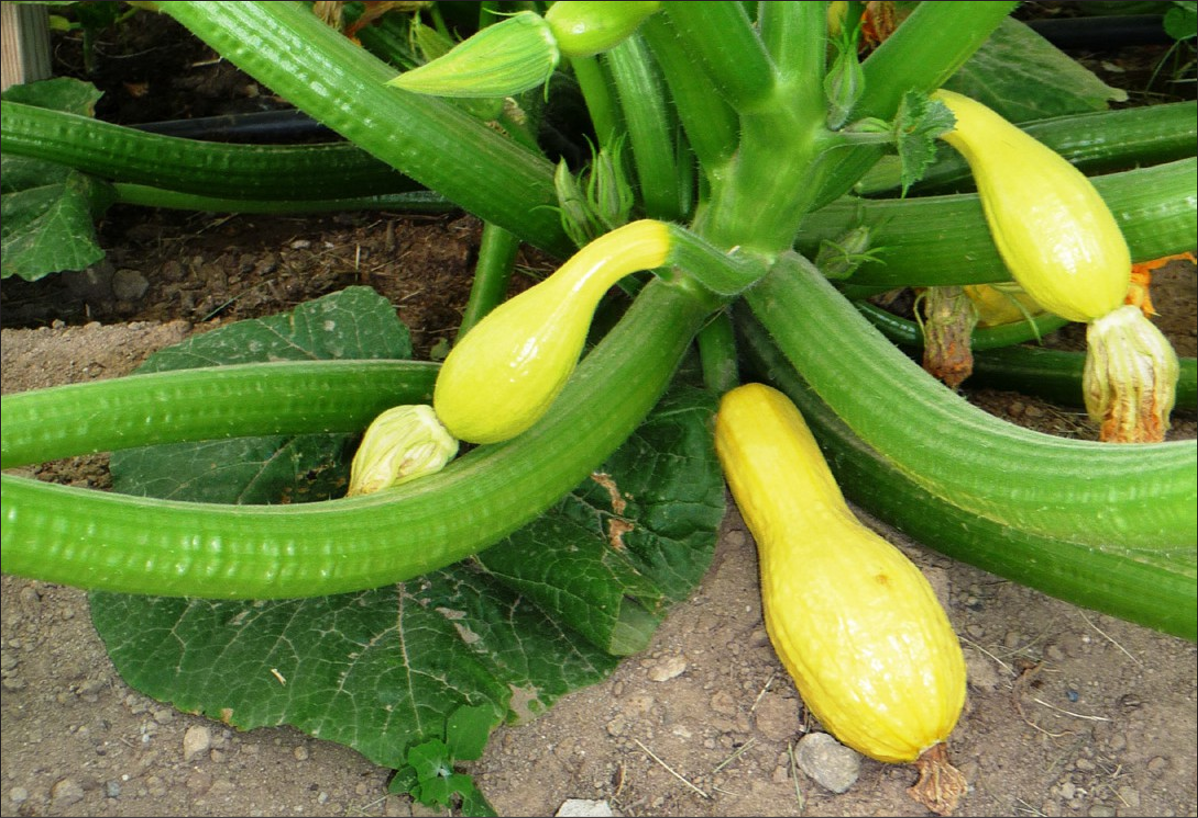
Summer squash, Cucurbita pepo. Type: Yellow Crookneck.
The various types of summer and winter squash are described and pictured, with guidelines for planting, maintenance, pest management, and harvest and storage, as well as tips for canning and freezing. ...
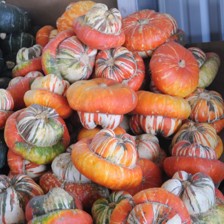
There are few vegetables easier to grow in the home garden and more versatile in form/use/consumption than squash. The term “squash” refers to several plant species native to Central and South America. Many squash types or culti-vars can be grouped as summer squash or winter squash, depending on the season the vegetable is harvested.
Squash can be started in the garden from seed. We recommend that you purchase certified seed from seed catalogs and garden centers, as seed saved from last year’s harvest is unlikely to produce the same type of squash as the parent plant. Beware: Squash is a frost-tender vegetable. Seeds may not germinate in cold soil and seedlings can be killed off by spring frosts. Squash is planted in hills (mounds of soil) about 4 to 5 feet apart. Sow 4 to 5 seeds per hill at a depth of one inch in mid- to late May, depending on the date of the last killing frost (see WSU’s Home Vegetable Gardening publication EM057E). Later, as the plants develop 2 to 3 leaves, thin to a couple of well-spaced plants per hill. Alternatively, start plants in the home or greenhouse 10 days to 2 weeks prior to transplanting seedlings into the garden. Spacing is important when planting these seedlings; place 2 seedlings per hill spaced 4 to 5 feet apart.
The first couple of weeks after planting are critical to the survival and productivity of squash. If seeds fail to germinate, or germinate unevenly, you should investigate why (planted too deep, cold soil, old seed, pest-damaged seed, etc). Familiarize yourself with the appearance of normal, healthy plants and periodically (2-3 times a week) observe your plants for any signs of stress or pests. The most common sign of stress is leaf-wilting associated with either too little or too much water. Check the moisture level of the soil near the root zone of the squash plant: It should be moist and pliable, not dry and crumbly or wet and dripping. Watch out for stunted plants with pale leaves or for vigorous plants that fail to bloom or set fruit. These are signs of low soil fertility or excessive soil fertility. Another key period for maintenance is flower bloom. For most squashes, the male and the female flowers (distinguished by the round chamber at the base of the flower) are on the same plant. These flowers are dependent on honey bees and other bees to transfer the male pollen to the female flower. Take precautions to minimize insecticide use during flower bloom and encourage bee access and visitation. Inadequately-pollinated female squash flowers may grow, but abort before full fruit development.
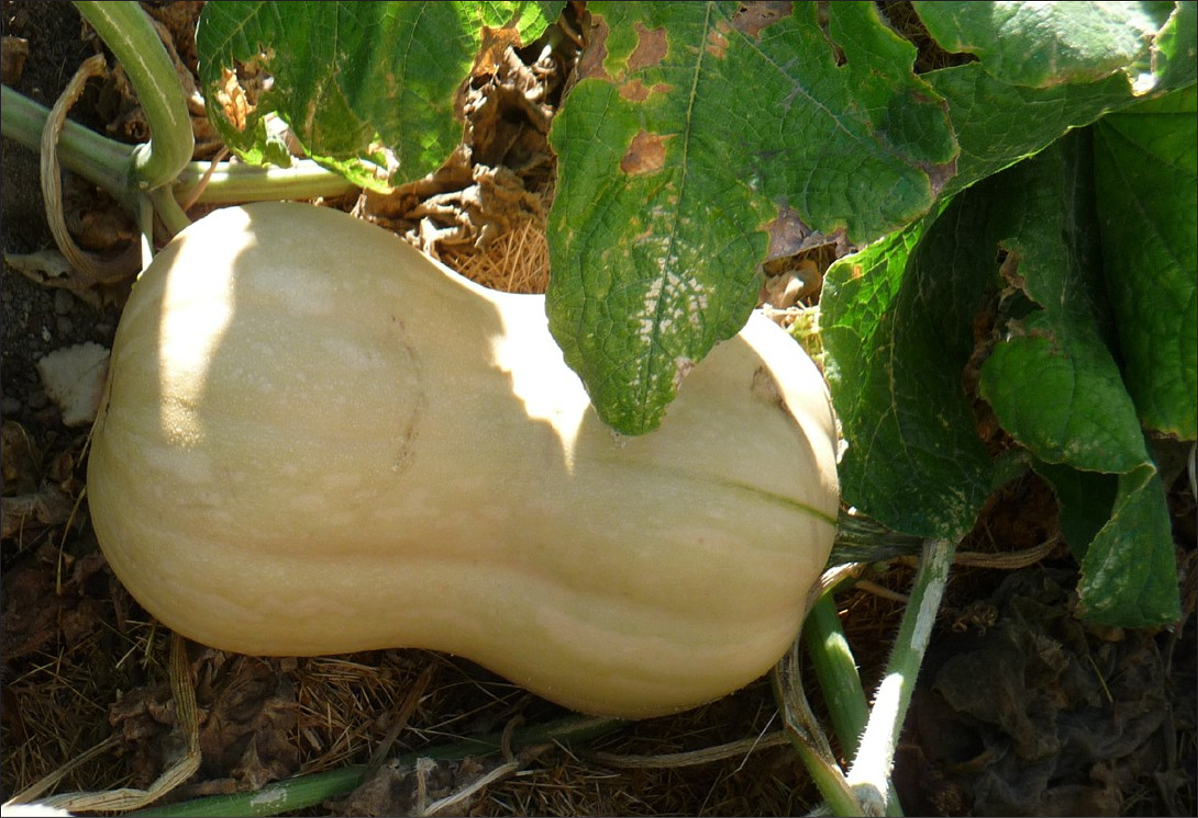
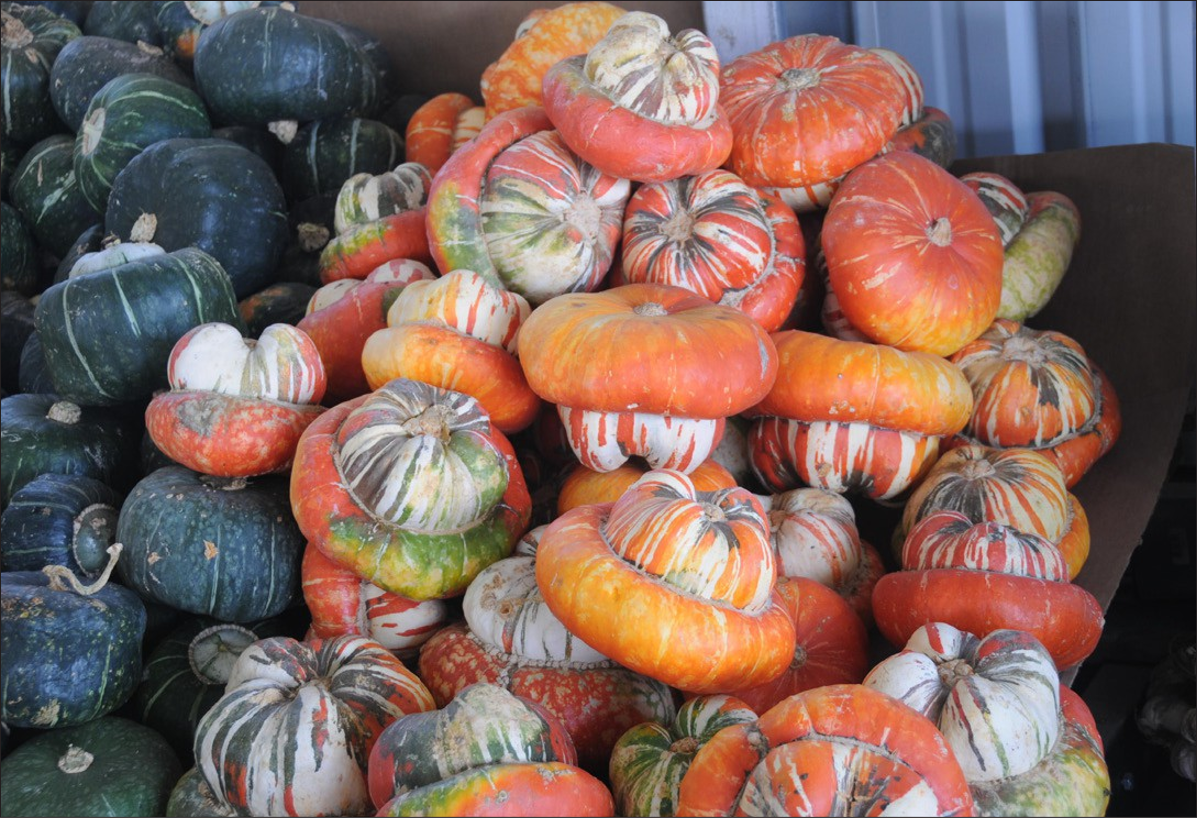
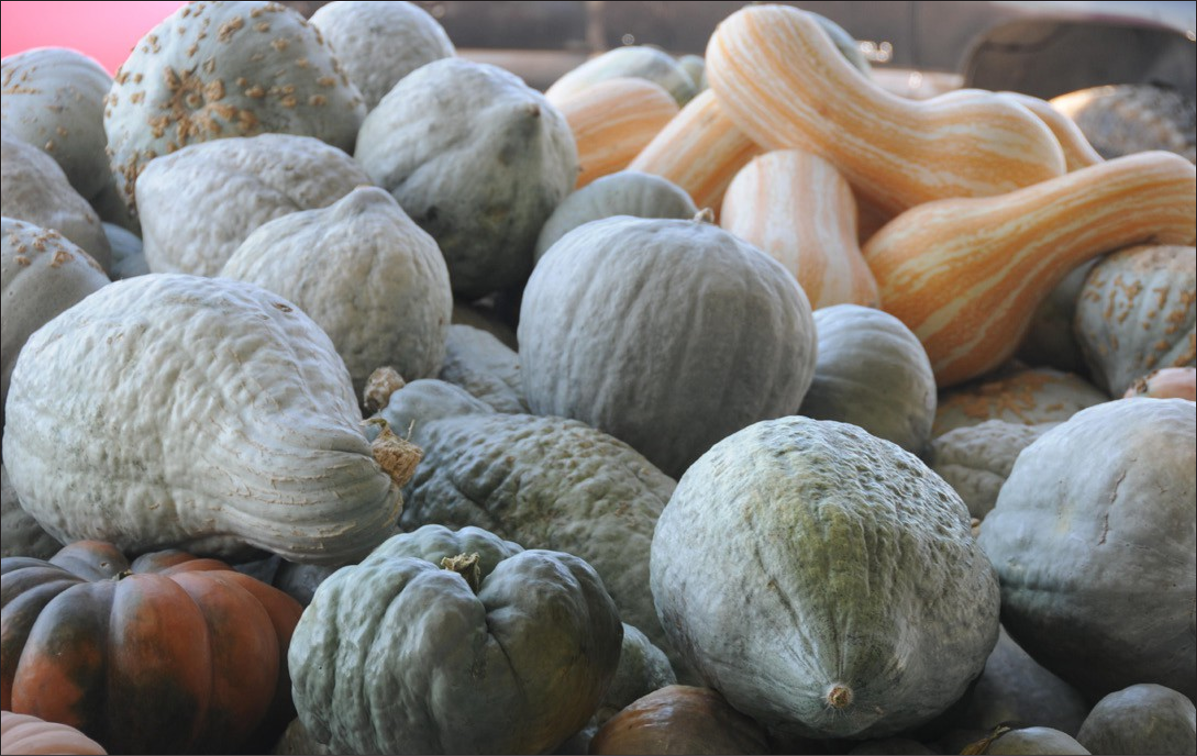
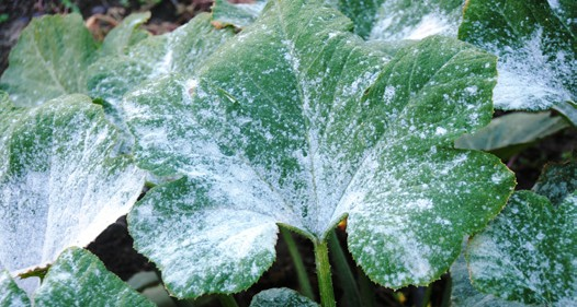
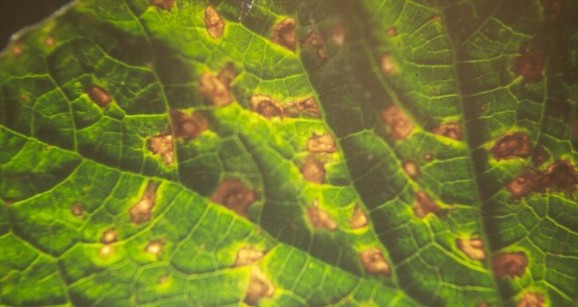
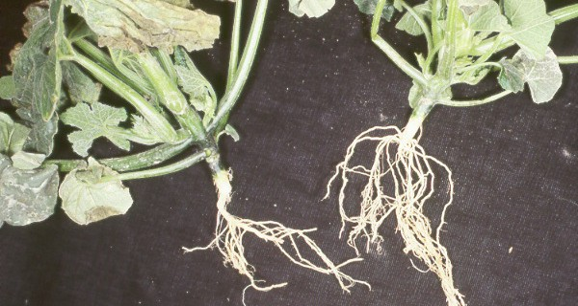
Diseases. Plant diseases may impact squash production in your backyard. The incidence of diseases can be reduced by 1) planting certified disease-free seed, 2) planting squash in warm, light, well-drained soils, 3) keeping water from splashing on squash foliage, 4) avoiding plant overcrowding (weed and properly thin), and 5) cleaning up any plant debris. If you notice any squash plants that are unthrifty, discolored, or dying, and these symptoms spread to other plants, we recommend that you rogue out and destroy these plants (do not compost!). Investigate as to what is wrong with these plants. The best strategy to combat plant diseases is to avoid planting susceptible plants in an infected area or to plant squash varieties bred for resistance to the specific disease problem.
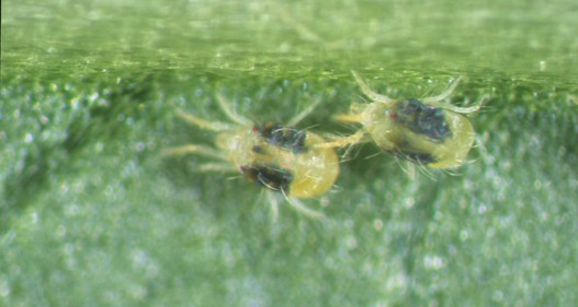
Insects. When the homeowner plants a few squashes each year and rotates these plants within the landscape, insect pest problems are few and rarely impact fruit quality. Healthy vines better tolerate pest damage, while stressed (often water-stressed) vines may attract arthropod pests. By periodically scouting your squash for insect presence or signs of damage (leaf discoloration, feeding damage, vine-tip dieback, surface marking on fruit), you can anticipate problems and control pests before they jeopardize the health of the plant. Learn to recognize the beneficial arthropods, especially insect predators, and encourage their presence in your home landscape. Do not hesitate to contact your local Master Gardener program to assist you in identifying pests and beneficials.
For a list of products available for home garden pests, consult WSU Hortsense.
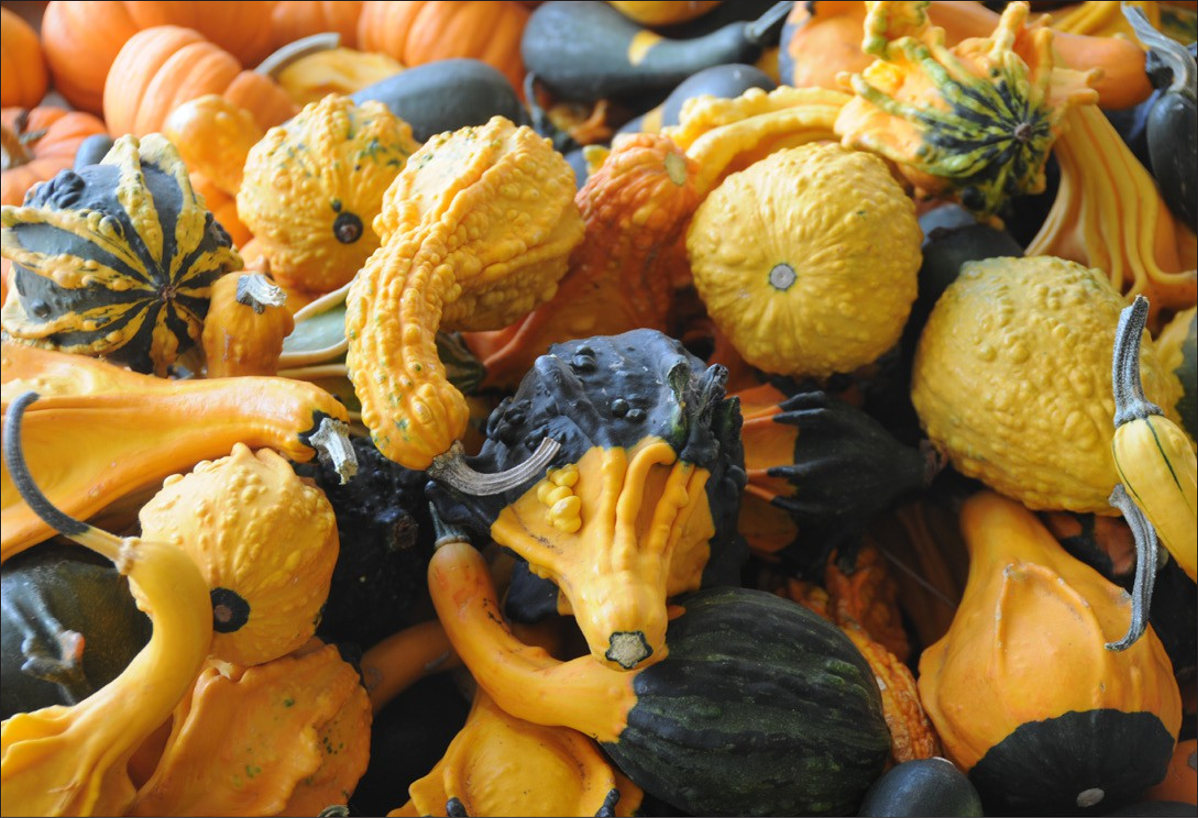
Summer squashes are harvested when the fruit measures 4 to 7 inches long and the skin retains a soft, rubbery feel. Once the skin begins to feel smooth or slick, the rind gets thicker, the seeds get tougher, and the fruit begins to lose its flavor (and may get woody in texture). Summer squashes do not store well, and should be refrigerated and consumed within a week. Winter squashes are harvested fully mature when the skins feel hard and waxy. In autumn, there is no hurry to harvest winter squashes unless excessively cold or wet weather is approaching. Pick winter squashes with stems attached. Cure in a warm, dry place and store at room temperature. Under these conditions, winter squashes store between 3 to 5 months. After the final harvest, be sure to remove and destroy the leftover plant debris. Alternatively, turning under the remaining plant material into the garden soil can help replenish nutrients and contribute to the organic content of the soil.
Freezing Summer Squash. Choose young squashes with tender skin. Wash and cut in 1/2-inch slices. Water-blanch 3 minutes. Cool promptly, drain, and package, leaving ½-inch headspace. Seal and freeze.
Freezing Winter Squash. Select firm, mature squashes with a hard rind. Wash, cut into cooking-size sections and remove seeds. Cook until soft in boiling water, in steam, in a pressure cooker, or in an oven. Remove pulp from rind and mash. (For spaghetti squash, mashing the cooked pulp is not necessary.) To cool, place pan containing mash in cold water and stir occasionally. Package, leaving ½-inch headspace. Seal and freeze.
Canning Summer Squash. This is not recommended. It is best to freeze, pickle for canning, or dry summer squash. For more information, see National Center for Home Food Preservation.
Canning Winter Squash. See the National Center for Home Food Preservation.
By Michael R. Bush and Angela K. Combe, Washington State University, Yakima County Extension.
Photos in this publication appear courtesy of D.A. Inglis, E.J. Sorenson, E. Beers, and Claudia Steen.
Use pesticides with care. Apply them only to plants, animals, or sites as listed on the label. When mixing and applying pesticides, follow all label precautions to protect yourself and others around you. It is a violation of the law to disregard label directions. If pesticides are spilled on skin or clothing, remove clothing and wash skin thoroughly. Store pesticides in their original containers and keep them out of the reach of children, pets, and livestock.
Copyright 2013 Washington State University.
WSU Extension bulletins contain material written and produced for public distribution. Alternate formats of our educational materials are available upon request for persons with disabilities. Please contact Washington State University Extension for more information.
You may download copies of this and other publications from WSU Extension.
Issued by Washington State University Extension and the U.S. Department of Agriculture in furtherance of the Acts of May 8 and June 30, 1914. Extension programs and policies are consistent with federal and state laws and regulations on nondiscrimination regarding race, sex, religion, age, color, creed, and national or ethnic origin; physical, mental, or sensory disability; marital status or sexual orientation; and status as a Vietnam-era or disabled veteran. Evidence of noncompliance may be reported through your local WSU Extension office. Trade names have been used to simplify information; no endorsement is intended. Published February 2013.