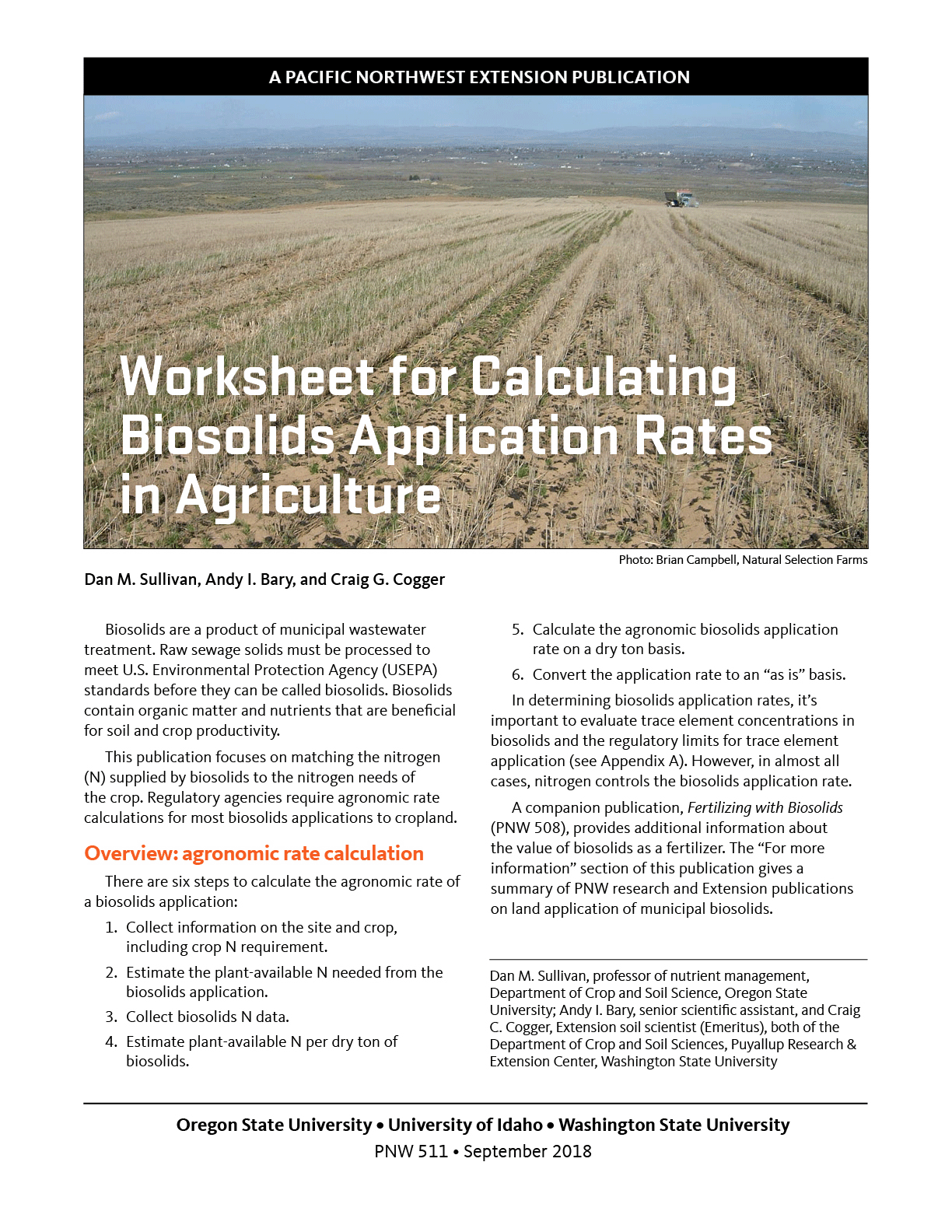
Worksheet for Calculating Biosolids Application Rates in Agriculture
Biosolids are a byproduct of municipal wastewater treatment. Raw sewage solids must be processed to meet U.S. Environmental Protection Agency standards before they can be called biosolids.
Published: September 2018
Revised: January 2023
Reviewed: January 2023
Hurry! Only left in stock.
somdn_product_pageRelated publications
-
Backyard Composting (Home Garden Series)
Curious about compost? Composting reduces waste and provides an inexpensive treatment for home gardens and landscapes. Whether you have been composting for years or want to start your first pile, this ...
- Published:
- August 1994
- Revised:
- March 2017
- SKU:
- EB1784E
Authors:somdn_product_page -
Root-lesion Nematodes: Biology and Management in Pacific Northwest Cropping Systems
To help Washington, Oregon, and Idaho wheat growers reduce the estimated $51 million annual loss to the region from root-lesion nematodes, PNW617 provides detailed results from the latest research ...
- Pages:
- 14
- Published:
- October 2015
- Revised:
- September 2019
- Reviewed:
- January 2023
- SKU:
- PNW617
Authors:somdn_product_page -
A Guide to the Fining of Wine
If you've ever had a problem with the quality of the products from your winemaking efforts, you'll want to read this publication.
- Pages:
- 16
- Published:
- May 2009
- SKU:
- EM016
Authors:Price: $1.65 -
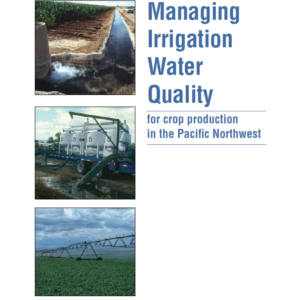
Managing Irrigation Water Quality for Crop Production in the Pacific Northwest
Water management can be a practical and financial challenge in any situation. This publication focuses on analyses used for typical agricultural irrigation water sources.
- Published:
- August 2007
- Reviewed:
- January 2018
- SKU:
- PNW597E
somdn_product_page