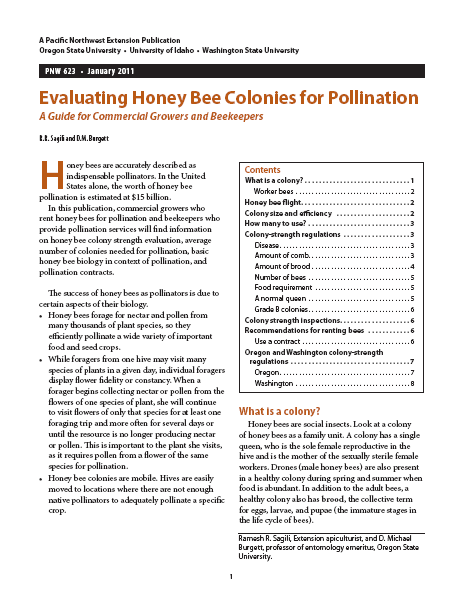
Evaluating Honey Bee Colonies for Pollination: A Guide for Commercial Growers and Beekeepers
Explains the use of managed honey bee colonies in pollinating agricultural crops, currently valued at $15 billion in the United States. Includes details on colony strength evaluation and regulatio …
Published: January 2011
Reviewed: January 2024
Hurry! Only left in stock.
Related publications
-
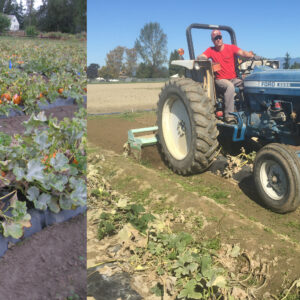
Soil-Biodegradable Plastic Mulch: Suitability for Sustainable and Organic Agriculture
Polyethylene mulch is environmentally harmful and expensive to dispose of. Discover soil-biodegradable plastic mulch and learn more about it as a viable alternative.
- Published:
- April 2018
- Revised:
- May 2026
- SKU:
- FS103E
-
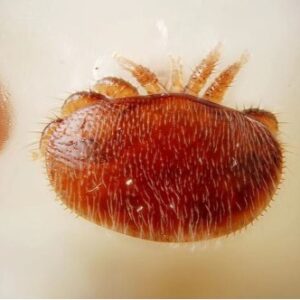
Oxalic Acid Options for Controlling Varroa destructor
Beekeepers can manage the damaging Varroa destructor mite using oxalic acid, a proven tool within integrated pest management. This WSU Extension publication walks you through the EPA-registered oxalic acid products and methods of application.
- Pages:
- 5
- Published:
- July 2025
- SKU:
- FS403E
Authors: -
Produce Safety Rule Harvest Intervals: Validated Escherichia coli Die-Off Data for Washington Apples
This collaborative research with the Washington Tree Fruit Research Commission provides Washington apple growers with scientifically valid E. coli die-off data to guide decisions on overhead water applications near harvest, including evaporative cooling, while meeting…
- Pages:
- 5
- Published:
- September 2025
- SKU:
- TB109E
Authors: -
Invertebrate Pest Management for Pacific Northwest Pastures
A well-managed pasture has several ecological and economic benefits. However, several species of arthropods (insects, mites and garden symphylans), and gastropods (slugs) inhabit pastures of the Pacific Northwest of the United States and can diminish…
- Pages:
- 32
- Published:
- August 2020
- Reviewed:
- January 2024
- SKU:
- PNW750