Description
Revised: September 2021
Pages: 16
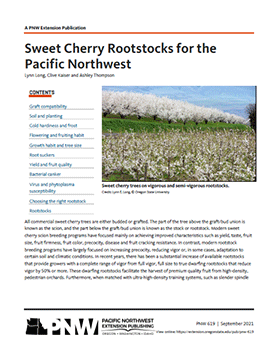
This publication presents the current level of understanding of the major cherry rootstocks as they pertain to the Pacific Northwest.
Cherry growers have many options when it comes to choosing rootstocks. The combination of new dwarfing rootstocks with high-density training systems leads to earlier production. But growers need to consider soil fertility, scion choice and training systems when choosing rootstocks. Here are some guidelines that can help.
Page Count: 16
Revised: September 2021
Hurry! Only left in stock.
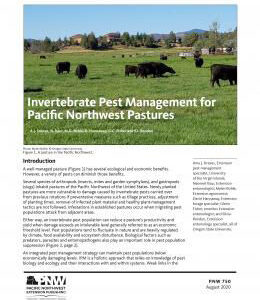
A well-managed pasture has several ecological and economic benefits. However, several species of arthropods (insects, mites and garden symphylans), and gastropods (slugs) inhabit pastures of the Pacific Northwest of the United States and can diminish…
This publication describes how commercial and backyard beekeepers can minimize colony losses and related problems by establishing nucleus colonies. Reviewed by WSU specialist W.S. Sheppard. ...
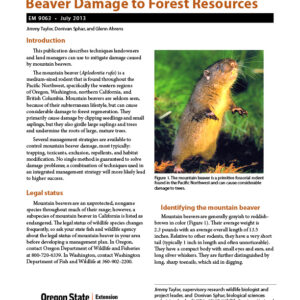
The mountain beaver is a medium-sized rodent of the western Pacific Northwest. Mountain beavers cause damage to forest regeneration by clipping or girdling seedlings or saplings or both, and undermini ...
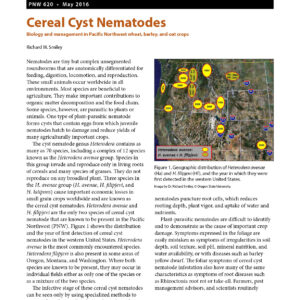
Describes a species of nematodes known to cause significant economic losses in wheat, barley, and oat crops grown in the Pacific Northwest. Includes ways to identify the pest and its specific damage.