Minor and Uncommon Fruits for Maritime Climate Gardens
Description
Kiwi, fig, sea buckthorn—the list goes on for delicious, uncommon fruits that can be grown in western Washington. Dive into this pub to find out which types might work in your home garden. (Part of the Home Garden Series.)
The horticultural history of native North American plants is often not widely known beyond the Indigenous communities who have cultivated and harvested these plants. Some species were grown extensively before the time of European contact in North America. Knowledge that had been passed verbally from generation to generation was lost in some cases as entire communities were devastated by deadly plagues. Other communities were removed from their ancestral homelands, and the plants that traveled with them did not thrive in their new locations. Recent studies in ethnobotany have succeeded in recovering some of this information. Still, much remains obscure.
Introduction
With its mild maritime climate, western Washington has long been a productive region for many tree and small fruit crops. Apples, blueberries, cherries, pears, plums, raspberries, and strawberries have been grown there since the 1880s for both home and commercial production. Currently, interest has increased in some of the less common tree and small fruit crops, and information is needed regarding their culture and cultivar selection for the region.
Some of these uncommon fruit species were not considered suitable for Washington’s maritime climate conditions and were not tested for productivity until recently. For some of these species there is little information, as they originated in eastern Europe, Asia, or Oceania. Several of these species are native North American plants whose history was not recorded or is not readily accessible. To help bridge the information gaps, a trial of uncommon tree and small fruit crops was carried out from 1997 to 2009 at Washington State University’s Mount Vernon Northwestern Washington Research & Extension Center (NWREC). With the support of home orchardists and nursery growers, we evaluated ease of growing, productivity, fruit quality, and cultural needs of these uncommon fruit species (Moulton and King 2006). Species descriptions gathered from this trial are included in this publication.
Species are listed in alphabetical order by scientific name, and we have included specific cultivars that have been selected for improved fruit or growth characteristics when available. Development of new and improved cultivars continues in both commercial and university programs, and the reader should search if new cultivars are available. Note that there are state restrictions on bringing in certain plants from out of state (see WSDA’s quarantine guidelines, also listed in the Additional Resources section). For example, cultivars are being actively developed for sea buckthorn (Hippophae rhamnoides) and honeyberry (Lonicera spp.), also known as haskap, at the University of Saskatchewan; hardy kiwi/kiwiberries (Actinidia spp.) at the University of New Hampshire; pawpaw (Asimina triloba) at Kentucky State University; and various uncommon fruit species at the University of Wisconsin (Hummer et al. 2012).
Species Descriptions
Figure 1. Left photo: female kiwi flower (left) and male kiwi flower (right). Right photo: hardy kiwi in full production. Photos by Jacky King.
Actinidia deliciosa or Actinidia chinensis—Fuzzy kiwi, kiwifruit, Chinese gooseberry
Kiwis are deciduous woody vines native to temperate, eastern Asia. Plants are dioecious, having male and female flowers on separate plants (Figure 1). Self-fruiting female plants of hardy kiwi (Actinidia arguta) are known to exist, but in most plantings, one male to eight female plants will provide good pollination. The fruit of hardy kiwi are grape-size with smooth green, brownish, or purple skin. Hardy kiwi fruit is generally sweeter than fuzzy kiwi (Actinidia deliciosa); sugar levels vary, ranging from 14% (fuzzy kiwi) up to 29% (hardy kiwi).
In older classifications, A. deliciosa was considered to be a variety of A. chinensis, but since the 1980s, the two species have been split based on characteristics including fruit shape, skin texture, and hairiness (Courteau, n.d.). In general, A. deliciosa is more oblong and cylindrical, while A. chinensis is rounder and more globe-shaped. A. deliciosa is the source of the widely produced commercial cultivar ‘Hayward,’ but cultivars of A. chinensis were developed with commercial production starting in the 1990s; the fruit is marketed as “gold” or “golden” kiwifruit.
Both A. deliciosa and A. chinensis are not recommended for western Washington due to their susceptibility to cold and freezing temperatures. However, both A. arguta and A. kolomikta are hardy to western Washington, though they may suffer from spring frosts periodically. Recommendations henceforth in this guide focus on A. arguta and A. kolomikta.
Kiwi vines are highly vigorous, growing up to 20 feet in a season, and are heavy nitrogen feeders. They prefer well-drained, somewhat acidic soils (pH ~6). They are sensitive to chlorine, so avoid amendments containing this element. Regular watering in summer heat is important to avoid drought stress, but avoid overwatering to limit root rot. Mature vines can produce 50 to 150 pounds of fruit, so a sturdy trellis is essential to support kiwi plants. Male and female vines should be pruned differently. Dormant winter pruning of female vines should be done to remove 70–80% of the previous summer’s growth and maintain a balance of one- to three-year-old canes. Light pruning of male vines in winter is recommended to remove damaged or diseased wood. This will encourage high flower production for pollination. After pollination (~June), prune males as you would females (Hastings and Hale 2019). Young vines may suffer from a unique pest—cats. The effect on felines is similar to catnip, and if chewing and clawing occurs, protect young plants with chicken wire or a similar barrier.
Kiwi harvest is usually late (October to early November) in western Washington. Hardy kiwis are well adapted to Washington’s maritime climate and are very productive, easier to ripen, and more tolerant of lower temperatures than fuzzy kiwi. Hardy kiwis are reliably productive and very well suited for home gardens (Table 1).
Table 1. Hardy kiwi cultivars for western Washington.
Evaluated at WSU NWREC
Evaluated at the University of New Hampshire
Ananasnaja (Anna)
Geneva
Issai (self-fertile)
Meader
Ken’s Red
Dumbarton Oaks
Jumbo
Arctic Beauty (A. kolomikta)—less vigorous and more cold hardy than
Hardy Red
-
Chico (male)
-
Aronia melanocarpa—Aronia, chokeberry
Figure 2. Aronia flowers are ornamental (top photo), and the bushes are very
productive (bottom photo). Photos by Jacky King
An ornamental and edible deciduous shrub native to North America , aronia (Aronia melanocarpa) was introduced to eastern Europe, Scandinavia, and Russia in the 1940s, where plants with larger fruit and greater productivity were developed. Aronia (Table 2) is not to be confused with chokecherry (Prunus virginiana), also native to North America (Figure 2).
Aronia is well adapted to maritime climate conditions and is highly productive with few pests; netting of the crop may be needed to prevent bird damage as the late ripening fruit develops. The plants are self-fertile. As an ornamental shrub it produces mass clusters of white flowers in late spring and often has colorful fall leaves in shades of red and orange. For the most fruit, choose plants that have been selected for fruit production, not the ones that are primarily landscape ornamentals.
The purple-black berries are astringent (due to tannins) with a high sugar content (up to 22%) and high levels of anthocyanins and antioxidants, making them of interest for potential health benefits from the juice as well as for culinary use (e.g., jam, jelly, in baking). For example, Indigenous Potawatomi people were known to use the berry juice as a common cold remedy. The dark red juice is also a very strong colorant, used in food coloring and as an addition to red wine fermentations. Freezing reduces the astringency, as does combining with dairy products.
Table 2. Aronia cultivars for western Washington.
Evaluated at WSU NWREC
Evaluated elsewhere
Viking
Rubina
Nero
Raintree Select
-
Iroquois Beauty
-
McKenzie*
-
Autumn Magic**
*Developed as a windbreak; may grow up to ten feet tall.
**Commonly available ornamental; not the best for fruit production.
A small deciduous tree native to eastern North America, pawpaws (Asimina triloba) are related to the tropical fruits custard apple (Annona reticulata), cherimoya (Annona cherimola), and others in the Annona family. Indigenous tribes cultivated the pawpaw for fruit and are responsible for its widespread range today. Raw and cooked fruit were dried and stored, and the inner bark of the trees was used to make cordage. Pawpaw is not to be confused with papaya (Carica papaya), the tropical and subtropical fruit sometimes also called “papaw” in many English-speaking communities (e.g., Australia).
Figure 3. Pawpaw flowers (top photo) and fruit (bottom photo). Photos by Jacky
King.
Choose earlier ripening cultivars to improve chances that fruit will mature in Washington’s cool, maritime climate. Very good production has been reported in cultivated plantings (Table 3).
Brownish-purple flowers emerge just before the leaves open (Figure 3). The flowers are protogynous—that is, the female receptive organ ripens before the pollen and is no longer receptive when its pollen is shed. Pollen from a genetically different tree is usually required. Flowers have a fetid odor and are pollinated by flies and beetles rather than bees, resulting in low fruit set under typical field conditions with low wild pollinator abundance (Layne 1995). For best results in the home orchard, hand pollinating is recommended. Using a small, flexible artist’s brush, transfer a quantity of fresh pollen from the anthers of the flower of one clone to the ripe stigma of the flower of another clone. Pollen is ripe when the little “ball” of anthers is brown in color, loose, and friable; pollen grains appear as yellow dust on the brush hairs. The stigma is ripe when the tips of the pistils are green and glossy and the anther ball is still hard and green.
Each flower contains several ovaries, so a single flower can produce multiple fruits. The tree has long, tropical-looking leaves that turn bright yellow in autumn; fruit is oblong, green, with sweet, custard-like yellow to orange flesh similar in flavor to banana or mango. Brownish black inch-long seeds set in parallel rows within the flesh are shaped like lima beans and are generally considered toxic, as are the skin and the unripe fruit.
Fully ripe pawpaws last only a few days at room temperature but may be kept for a week in the refrigerator. If fruit is refrigerated before it is fully ripe, it can be kept for up to three weeks and can then be allowed to finish ripening at room temperature. Ripe pawpaw flesh, with skin and seeds removed, can be pureed and frozen for later use.
Table 3. Pawpaw cultivars for western Washington.
Evaluated at WSU NWREC
Evaluated at Kentucky State University* and elsewhere
Pennsylvania Golden—early ripening
NC 1—from Canada, early ripening
Overleese—selected 1950, early ripening
Allegheny—earliest ripening of the Kentucky selections
Davis—selected 1961, from Michigan
Maria’s Joy—bred in Indiana
-
Shenandoah—patented, from Kentucky, midseason
*Kentucky State University is conducting research in Asimina species and maintains a gene bank.
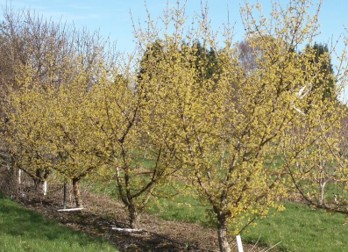
Figure 4. Cornelian cherry in bloom in early March. Photo by Jacky King.
Cornus mas—Cornelian cherry, cherry dogwood
A large deciduous shrub of the dogwood family native to southern Europe and western Asia, fruit from this tree has been used as a food crop in ancient Greece for over 7,000 years. Bright yellow flowers in dense, showy clusters bloom in very early spring before the leaves emerge (Figure 4). Cornelian cherry (Cornus mas) are somewhat self-fertile, but yield is improved with cross-pollination.
Table 4. Cornelian cherry cultivars for western Washington.
Evaluated at WSU NWREC
Evaluated elsewhere
Red Star
Kazenlak
Elegant
Raintree Select
Pioneer
Redstone
-
Variegated*
*Variegated cultivars selected for ornamental value may be less productive or lower quality.
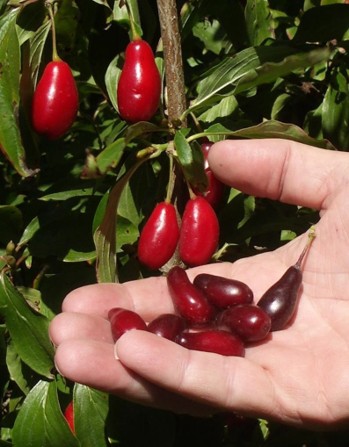
Figure 5. Ripe fruit in July. Photo by Jacky King.
Individual fruit are long, oval, fleshy, one-seeded berries which mature to a cherry-red color in mid to late summer (Figure 5). Fruits are edible but astringent, with a flavor similar to tart cherry, and can be used for jams, syrups, preserves, drinks, and sauces. In addition to its culinary uses, the fruit is used medicinally in Europe and China. In the United Kingdom the juice was sometimes added to cider and perry. Green fruit can be pickled like an olive. The flesh of the fruit adheres tightly to the seed, so recipes usually start with boiling the whole fruit, then separating the seeds from the purée. Pectin content varies and sometimes must be added to yield a firm jelly. For high fruit yield, choose plants that have been selected for fruit production over ornamental value (Table 4).
The dense, hard wood was used for making spears, wheel spokes, and splitting wedges, according to classical Greek literature. Many Central Asian countries continue to use the wood for furniture, jewelry, and traditional musical instruments.
Cydonia oblonga—Quince
Figure 6. Top photo: quince flowers. Bottom photo: quince ‘Van Deman.’ Photos by Jacky King.
Quince (Cydonia oblonga) is a multistemmed shrub or small tree, with showy white flowers and fragrant yellow fruit similar to apples in size (Figure 6). The fruit itself is also very dense and hard even when fully ripe. It is native to rocky slopes and woodland margins in western Asia and spread from its center of origin during ancient times east and west along trade routes.
As the “Golden Apple” of legends, quince has a long and extensive history in Mediterranean culture and cuisine as “the fruit of love, marriage, and fertility,” widely used in both sweet and savory dishes. In Colonial America the fruit was an important source of pectin for food preservation and a fragrant addition to jams, juice, and pie. However, by the early 20th century, quince production declined as the value of apple and pear production increased. Interestingly, quince is widely used today as a rootstock in orchards growing European pear (Pyrus communis). Luther Burbank bred several improved cultivars in the 1890s—for example, ‘Van Deman’ and ‘Pineapple’ are still among the best performers today (Table 5).
Hardy and drought-tolerant, quince adapts well to many soils with slightly acidic to neutral pH (5.2–6.0). Trees are self-fertile but cross-pollination provides better yield. Good sun exposure is needed to ensure fruit ripening. Mature fruits are yellow in color but remain hard and very astringent, so they are usually cooked and may be used in jellies, preserves, and pies or as a savory accompaniment in roasts and stews.
Japanese flowering quince (Chaenomeles spp.) is related to the true quince but is usually grown for its shades of red, pink, or white ornamental flowers (appearing in early spring), not for its fruit. The fragrant yellow or green fruit is much smaller than true quince but still can be used for jelly or juice; it is just as hard and astringent. Some cultivars have numerous sharp spines and are sometimes planted as a barrier hedge.
Table 5. Quince cultivars for western Washington.
Evaluated at WSU NWREC
Evaluated elsewhere
Aromatnaya
Pineapple
Van Deman
Portugal
-
Smyrna
Diospyros kaki—Oriental persimmon
Diospyros virginiana—American persimmon
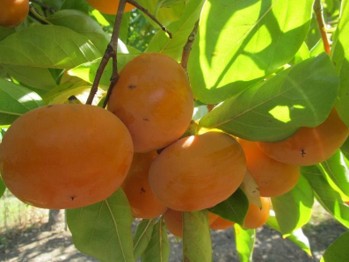
Figure 7. Persimmon. Photo by USDA Agricultural Research Service.
The oriental persimmon (Diospyros kaki) is among the oldest plants in cultivation (Figure 7; Table 6); native to China, it has been grown for over 2,000 years, and thousands of different cultivars exist. American persimmon (Diospyros virginiana) is native to the eastern and midwestern United States and was valued by Native Americans for its fruit and wood. Oriental persimmon has had centuries of improvement through breeding, but such information for the American persimmon has not been available. The name persimmon comes from “putchamin,” a phonetic rendering of the name used in the Algonquin language. Most of the named cultivars are chance seedlings. There is much room for improvement through selective breeding.
The persimmon is a multi-trunked or single-stemmed deciduous tree with drooping leaves and branches. The branches are somewhat brittle and can be damaged in high winds. Trees are very sensitive to microclimate and do best in warm, sheltered sites. Early ripening cultivars should be selected for growing in western Washington. Persimmons grown in cooler regions should have full sun with protection from cold winds. Young trees should be pruned to develop strong main branches, since fruit is borne at the branch ends and limbs may break under heavy crop loads. Fruit thinning may also be beneficial under high crop loads.
Persimmon trees are usually either male or female, but some trees have both male and female flowers. Most oriental persimmon cultivars do not need pollinators, while most American persimmon cultivars need a pollinator. The two species do not usually pollinate each other. Some cultivars are parthenocarpic (setting seedless fruit without pollination). Flowers are yellow, fragrant, and bell-shaped. Male flowers are smaller and appear in small clusters, while the larger female flowers appear alone.
Persimmons can be classified into two general categories: those that bear astringent fruit until they are soft-ripe, and those that bear non-astringent fruit. The astringency is due to the high tannin content. Freezing the fruit overnight and then thawing softens the fruit and removes the astringency; drying also removes astringency and preserves fruit for winter use. Harvest astringent varieties when they are hard but fully colored; protect the fruit from birds if it is left to soften on the tree. Astringent persimmons will ripen off the tree if stored at room temperature. Non-astringent persimmons are ready to harvest when they are fully colored, but for best flavor, allow them to soften slightly after harvest.
Table 6. Persimmon cultivars for western Washington.
Evaluated at WSU NWREC
Evaluated elsewhere
Nishimura Wasi (Coffee Cake)—Oriental
Chocolate—Oriental
Jiro—Oriental
Prairie Star—American, self-fertile
Saijo—Oriental
Yates—American
Meader—American
-
John Rick—American
-
Early Golden—American
-
Ficus carica—Fig
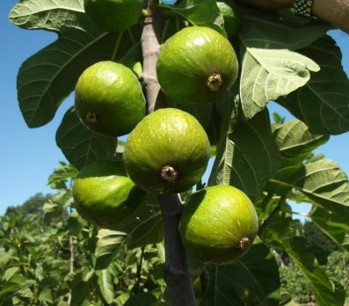
Figure 8. Fig ‘Desert King.’ Photo by Jacky King.
Many species of fig are grown for ornamental and food production value. Cultivated fig (Ficus carica L.) trees are deciduous, spreading in habit, and fast-growing (Figure 8). Archeological evidence from the Jordan Valley suggests it is one of the earliest plants to be domesticated, about 11,000 years ago, much earlier than wheat, barley, and legumes. Edible figs reportedly became established across the Mediterranean region around 6,000 years ago. Figs have been grown in the Pacific Northwest since the late 1800s. They produce fruit on one-year wood (referred to as the early breba crop), and they also produce a main crop on the current season’s growth, but in a cool maritime climate the main crop rarely if ever ripens.
Productivity is often limited, and trees are sensitive to frost. Pruning figs as a low bush results in maximum breba crop production, best suited for cool summer climate areas where heat units are too low to ripen the main crop. Growing them as a multistemmed shrub is very practical for ease of harvest. Figs become soft when they are ripe and should only be harvested when they are soft. Figs do not ripen all at once, so harvesting a tree over a period of several weeks is necessary.
The edible fig produces an inverted floral structure with many small, enclosed flowers. Some cultivars require pollination while others do not (Table 7). The ripe fruit, called a syconium, is primarily receptacle (stem) tissue that is consumed along with the gritty “seeds.” The mature edible fig has a thin skin which may be somewhat tough, a pale interior rind, and a sweet gelatinous pulp. Many fig cultivars have more than one common name. Some cultivars of fig were unknowingly mislabeled in the early years of their commercial propagation, and this issue carries over today for some nursery propagators.
Table 7. Fig cultivars for western Washington.
Evaluated at WSU NWREC
Desert King
Brown Turkey
Contessina
Neveralla
Nordlund
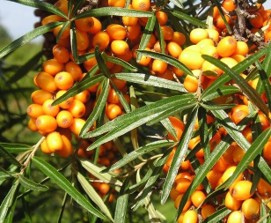
Hippophae rhamnoides—Sea buckthorn, seaberry
A deciduous, thorny shrub or small tree native to cold-temperate regions of Europe and Asia, sea buckthorn (Hippophaerhamnoides) is very tolerant of drought and poor soils but intolerant of shade. The scientific name Hippophae originates from the Greek words hippo, meaning “horse,” and phaos, meaning “to shine”—the ancient Greeks fed the leaves to their horses to make their coats sleek. Plants are dioecious, having male and female flowers on separate plants, and wind dispersion is the only means of pollination, so male and female plants need to be close together for reliable fruit production.
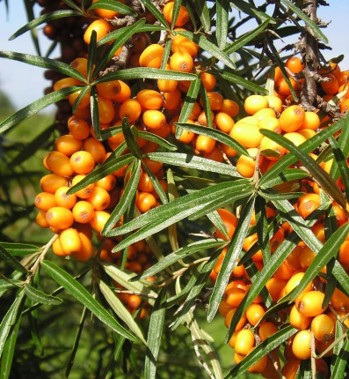
Figure 9. Fruit of sea buckthorn, also known as seaberry. Photo by Jacky King.
Sea buckthorn has many uses—for food, cosmetics, traditional medicine, animal fodder, and for windbreak plantings and site restoration. Its strong root system aids in preventing erosion, and the roots are symbiotic with nitrogen-fixing bacteria and also transform insoluble organic and mineral soil components into more soluble matter. These traits make it a very effective plant for land reclamation (Li 2002).
Sea buckthorn is very productive, bearing dense clusters of small, oval, yellow to orange fruit that has a citrus flavor (Figure 9; Table 8). The fruit contains very high amounts of vitamins C, B12, and E, as well as other beneficial flavonoids. Harvest is difficult due to the small size of fruit, dense fruit clusters, lack of an abscission cell layer so that berries tend to remain firmly attached even after ripening, and the very thorny branches. One method of harvesting is to prune off fruit-bearing areas of the branches and flash freeze them, which makes berries easier to detach. One side of a row is cut in alternate years to allow for regrowth (Fu et al. 2014). Hand harvest, though tedious, is still the most used method for home gardeners. Sea buckthorn is not recommended for planting in smaller gardens due to extensive suckering.
Table 8. Sea buckthorn cultivars for western Washington.
Evaluated at WSU NWREC
Evaluated at the University of Saskatchewan or elsewhere
Leikora
Titan
Hergo
Frugana
Pollmix—male pollinator
Russian Orange
-
Dumbarton Oaks
-
Golden Sweet
-
Star of Altai
-
Askola
Lonicera spp.—Honeyberry, haskap, blue honeysuckle
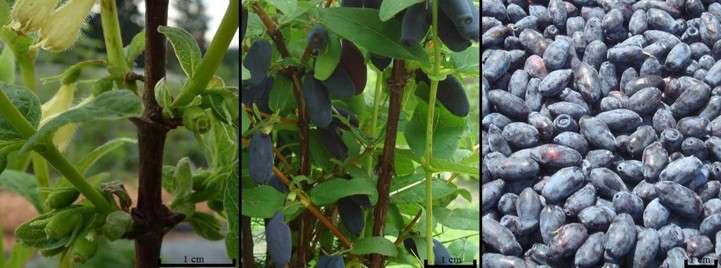
Lonicera species are deciduous shrubs native to circumpolar regions. They are hardier than blueberries, tolerating a wider range of soils. Flowers require cross-pollination. Because bloom occurs early in spring, bumblebees and blue orchard bees are the usual pollinators. Fruit are dark blue and variable in shape and size (Figure 10).
Figure 10. Haskap flowers and berries. Photos by E. Gerbrandt.
Historically, blue honeysuckle berries were harvested primarily in the Kuril Islands of Russia and in Hokkaido, Japan. Folklore has long attributed high nutritional and medicinal values to these berries, supported by recent phytochemical analyses. In general, “honeyberry” refers to Russian subspecies of Lonicera caerulea. “Haskap” (the word comes from the Ainu, the Indigenous people of Hokkaido) is used in Japan and refers to Lonicera caerulea subspecies emphylocalyx (MISA 2018). Like many emerging crops, the scientific classification of haskap is under debate.
Russian selections have performed very well in Saskatchewan, Canada. However, they often yield poorly in the Pacific Northwest coastal climate. Japanese selections which bloom about three weeks later and have larger fruit are the preferred choice in western Washington. All haskap varieties are hardy to Zone 2, −50°F to −40°F/−45.6°C to −40°C (USDA Plant Hardiness Zone Map, n.d.), and flowers will survive temperatures as low as 17°F.
Plants are low-growing (the largest may reach six feet tall) and susceptible to competition from perennial weeds; they grow well in mulch, or in sandy loam soils with slightly alkaline pH. The small root systems require regular watering. Haskap ripen shortly before strawberries and generally do not ripen all at once. Birds are the major pests; netting is recommended. About four to five years after planting, prune bushes lightly to remove old wood and weaker growth. Berries can be eaten fresh when fully ripe, or they can be frozen or made into pies, jams, wines, and pastries.
Dr. Bob Bors (Saskatchewan) and the late Dr. Maxine Thompson (Oregon) have been leading researchers in haskap production. Programs in Saskatchewan, Arkansas, and Oregon continue to release new cultivars each year. As crosses continue to be made between subspecies, differences between Russian and Japanese plant species may gradually be lost while new named cultivars are developed that are suited to specific regional climates (Table 9).
Table 9. Lonicera cultivars for western Washington.
Evaluated at WSU NWREC
Evaluated at the University of Saskatchewan and elsewhere
Berry Blue
Blue Pacific
Keiko (22-26)*
Blue Velvet
Kawai (108-42)*
Blue Hokkaido
Taka (91-95)*
Blue Sea
Tana (57-95)*
Indigo Gem
*Crosses made and introduced by Dr. Maxine Thompson, Oregon State University (number is the trial selection number).
Notes: Dr. Danny L. Barney of the University of Idaho—Sandpoint has developed several new haskap varieties.
Mespilus germanica—Medlar
A small deciduous tree, the medlar (Mespilus germanica) originated in southwestern Asia and southeastern Europe and has an ancient history of cultivation. Medlar was grown by ancient Greeks and Romans and was an important medicinal plant in the Middle Ages. The fruit was very popular in western Europe during the Victorian era. It is not well suited for commercial markets, due to the specialized treatment needed postharvest, and fell out of favor after the industrial revolution.
Medlar is self-fertile and self-pollinating; the white, five-petaled flowers open late, avoiding frost damage. Trees can reach 20 feet tall and prefer sun to light shade. Do not plant trees where they will be exposed to strong winds as wood is susceptible to breakage. Medlar scions can be grafted on to quince or hawthorn rootstock to improve performance in different soils. Quince rootstock is recommended for moist soils, hawthorn for dry soils. It is important to stake young trees so they develop a straight trunk to support the spreading crown. Prune to develop an open center branch framework. Occasional dieback of branches may occur but pruning these out produces new growth that soon begins fruiting. Mature trees do not respond well to hard pruning.
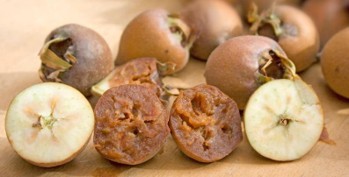
The fruit resemble large, brown, fuzzy rose hips, and typically are not picked until late autumn, after leaf drop and a hard frost (Figure 11). The flesh is hard and unpalatable at picking and must go through a specialized ripening process (bletting) to become soft and edible. Fruit must be fully mature before harvest; medlars picked too early shrivel and never attain good flavor. Fruits are ready for harvest when they detach easily from the branch. Avoid bruising during picking. Store the fruit stalk end up in a cool place.
As the fruit is left to mature, the skin will darken and wrinkle while the flesh develops a soft, sticky, and creamy consistency with a dark brown hue. This process requires two to four weeks of storage in a cool, dry place; refrigeration is not necessary. At this stage, the fruit is soft and sweet with the flavor and texture of a spicy baked apple. Bletting allows the tannins and acidity in the flesh to reduce, and it is important to note that this process is not the fruit rotting but fully ripening. After removing the skin and seeds, fruit can be eaten fresh or made into jams and jellies. (Note: medlar was not tested at NWREC.)
Morus spp.—Mulberry
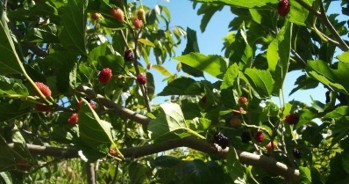
Figure 12. Mulberry fruit ripen over an extended period of time. Photo by Jacky King.
Mulberry (Morus spp.) trees are self-fertile, grow quickly, and bear fruit early; the trees grow large and are quite wind-resistant but can be pruned to a size allowing for ground picking. They are among the last trees to break dormancy in the spring, which often saves flowers from late frost damage. Flowers are wind pollinated, and some cultivars will set fruit without any pollination. Botanically, the fruit is not a berry but a multiple fruit (i.e., fruit formed from a mass of individual flowers that fuse). Produced on new growth, it resembles a blackberry in appearance and size and ripens over an extended period of time. The color of the fruit does not identify the mulberry species (Figure 12).
Trees are relatively easy to establish, should be planted in full sun, and will tolerate a variety of soils. Trees are prone to bleeding, so they should only be pruned lightly and in the dormant season. Avoid pruning cuts greater than two inches in diameter, as they may not heal. Contact with the milky sap may cause skin rashes in some people. A common harvest method for mulberries as they ripen is to shake the branches twice a week and collect fruit on a clean tarp. All but the white mulberry fruit will stain so do not plant trees where fruit will drop on a patio, sidewalk, or driveway and become a nuisance. White mulberries are the most variable in form, including drooping and pyramidal shapes. Mulberries spread readily from root suckers, and if suckers are not pulled when still small, the vigorous root systems can cause major damage to sidewalks, foundations, or waterlines.
Over 100 Morus species names have been recorded, but few are generally accepted by botanical authorities and are further complicated by widespread hybridization. Several cultivars have been developed from crosses of M. alba and M. rubra that are more flavorful and productive than the wild species (Table 10).
Morus alba—white mulberry. Native to northern China and widely cultivated and naturalized elsewhere, white mulberry was introduced to North America in colonial times as a food source for silkworms. It is considered invasive in some regions, as it poses an ecological threat by displacing the native species M. rubra, sometimes hybridizing with it and transmitting a root disease. Fruit may be black, purple, or white, depending on ripeness and the specific cultivar.
Morus rubra—red mulberry. Native to eastern and central North America. Explorers to eastern Virginia in 1607 mentioned the abundance of mulberry trees; the fruit was eaten (sometimes boiled) by the local Powhatan. Male and female flowers are usually on separate trees although they may occur on the same tree. Pollen from male trees can be extremely allergenic. Fruit are initially pale green, ripening to red or dark purple, edible, and very sweet with a good flavor.
Morus nigra—black mulberry. Black mulberry is native to western Asia and was grown for its fruit in Europe since before Roman times. Individual trees of black mulberry have been known to bear fruit for up to 300 years. M. nigra is less well adapted to cold climates or areas with humid summers and is the latest ripening of the mulberry species, usually ripening in the latter half of summer or autumn. Fruits are black and are considered to have the best flavor of the listed mulberry species but are harder to pick as they tend to collapse and drip juice.
Table 10. Mulberry cultivars for western Washington.
Evaluated at WSU NWREC
Evaluated at the University of Florida* and elsewhere
Oscar* (M. alba)—black fruit
Pakistan (M. alba)—black/purple fruit
-
Illinois Everbearing (M. alba × M. rubra)—black fruit
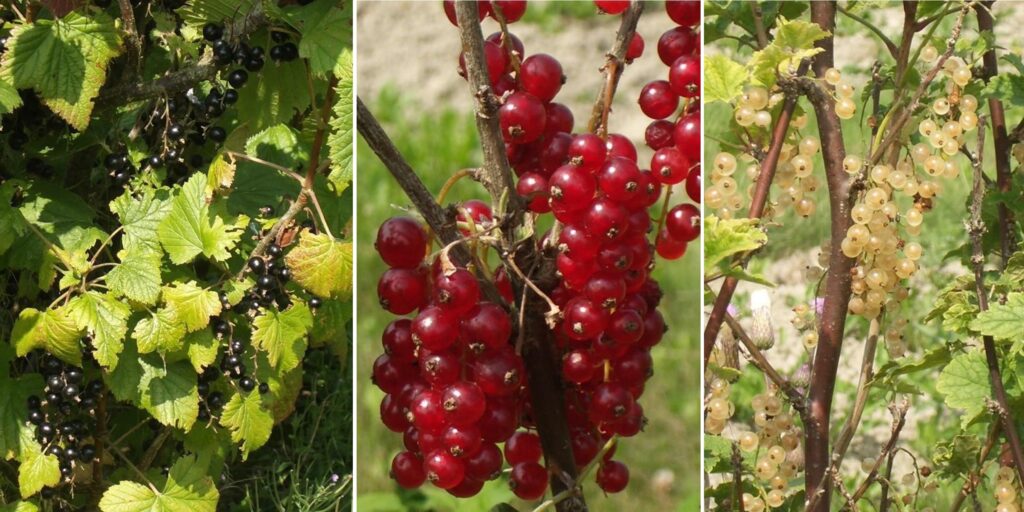
The genus Ribes includes some 150 known species of shrubby, flowering plants, native throughout the temperate regions of the Northern Hemisphere. Red, pink, and white currants belong to three European species (R. rubrum, R. petraeum, R. sativum); black currants are from the species R. nigrum (Figure 13).
Figure 13. Black currants (left), red currants (center), and white currants (right). Photos by Jacky King.
Gooseberry (Ribes uva-crispa [syn. Ribes grossularia]) is related to currant and is from Europe, the Caucasus, and northern Africa. Stems of gooseberry are spiny, and fruit are usually green to yellow, but shades of red to pink or purple are possible. Sunlight exposure can increase the blush of gooseberry. Native to western Washington is the wild or coastal black gooseberry (R. divaricatum), with round, dark-purple fruit, primarily used as food both historically by local Indigenous people and today by home gardeners. Though European varieties of gooseberry are more common or traditionally used, R. divaricatum is cultivated by some Northwest nurseries for their sweet and juicy fruit (Mount Pisgah Arboretum, n.d.).
Indigenous American tribes used both fruit and roots of currant species as medicine, and currant fruit were long used in northern Europe for culinary purposes (e.g., jam, jelly, baked goods). The fruit can be eaten raw but has a strong, tart flavor. For culinary use, the fruit is usually cooked with sugar to produce a purée, which is then strained to separate the juice. Gooseberry fruit are similarly acidic and are usually cooked with sugar before consuming, although some cultivars have better acceptance for fresh consumption. Fruit of both currants and gooseberries are also used in savory cooking because the acidity and astringency adds flavor to sauces, meat, and other dishes.
Currants (Table 11) and gooseberries are generally well adapted to cooler regions with heavier clay-based soils that are slightly acidic; they do not tolerate hot weather, especially hot, dry conditions. Currants bear fruit on racemes or strigs borne on spurs two to three years old. Gooseberry is similar except fruit is borne on short stems with 1–4 fruit per cluster. Prune mature plants to eliminate older stems (older than four years), and aim to have 9–12 canes ranging in age from one- to three-year-old wood. Harvest for fresh eating about three weeks after the berries reach full color. To avoid damaging the fruit, pick whole clusters or strigs of currant by the stem, taking care not to damage the spur. Individual gooseberries can be harvested by hand, but use care due to the presence of thorns.
Table 11. Currant cultivars for western Washington.
Evaluated at WSU NWREC
Evaluated at the Scottish Crop Research Institute* and elsewhere
Ben Connan*—black
Ben Alder*—black
Ben Lomond*—black
Ben Gairn*—black
Ben Nevis*—black
Cascade—red
Ben Sarek*—black
Jonkheer van Tets—red
Titania—black
Pixwell—gooseberry
Minn 69—red
-
Rovada—red
-
Blanca—white
-
Primus—white
-
Captivator—gooseberry
-
Colossal—gooseberry
-
In the United Kingdom, the Scottish Crop Research Institute was tasked with developing new cultivars with improved characteristics. They produced plants that had greater cold tolerance, especially in the spring, ripened earlier and more evenly, and had greater fungal disease resistance. Cultivars with larger, sweeter berries were introduced for home gardeners and the pick-your-own market. Several recently developed currant cultivars were tested at WSU Mount Vernon NWREC and performed very well. Gooseberries were not evaluated in the NWREC trial, but specimen plants were included for observation in a group of home garden species. New varieties are being developed continually to improve frost tolerance, disease resistance, machine harvesting, nutritional content, and fruit quality.
Ribes species like currant and gooseberry are alternate hosts of blister rust (Cronartium ribicola). This devastating fungal disease infects and can kill five-needled pine trees, including western (Pinus monticola) and eastern white pine (Pinus strobus), limber pine (Pinus flexilis), bristlecone pine (species of Pinus subsection Balfourianae), sugar pine (Pinus lambertiana), and whitebark pine (Pinus albicaulis). As such, cultivation of these species has faced restrictions. Although many states in the Pacific Northwest have no restrictions for growing Ribes species with respect to this disease, it is still recommended to grow rust-resistant cultivars, especially if within a one-mile radius of five-needled pine trees.
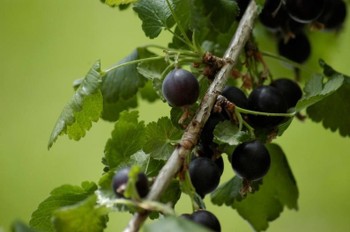
Jostaberry (Ribes × nidigrolaria) is the result of a complex cross in the Ribes genus involving three original species, the black currant (R. nigrum), the North American coastal black gooseberry (R. divaricatum), and the European gooseberry (R. uva-crispa) (Figure 14). The first cultivar was made available to the public in 1977. A number of cultivars have been produced since then by various developers. Fruit is edible both raw and cooked; bird protection is needed. Plants are resistant to many common diseases of Ribes, such as powdery mildew and white pine blister rust. Although not tested at WSU NWREC, it is considered easy to grow and reliably productive.
Harvesting jostaberries is relatively labor-intensive. Although harder to pluck than black currants, the plant is thornless.
Sambucus nigra—Blue elderberry, elderberry
Elderberry is a deciduous shrub or small tree with subspecies native to both Europe and North America (Table 12). All green parts of the plant are poisonous, containing cyanogenic glycosides; seeds should also be avoided. Elderberries have been cultivated in Europe for centuries, and many of the existing cultivars were developed there for fruit production. In the Northwest, Indigenous peoples used the berries fresh, dried, steamed, or boiled. Bark and leaves were used to induce vomiting and as a laxative; externally applied, they were used for pain, bruises, swelling, and as an antiseptic.
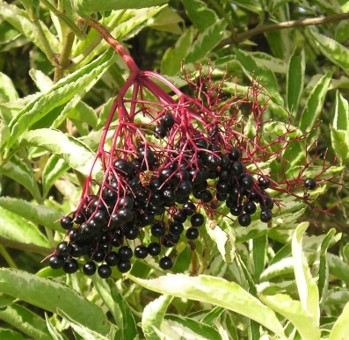
Figure 15. Blue elderberry, variegated foliage. Photo by Jacky King.
Plants reach more than 15 feet in height but can be pruned lower for easier harvest. The showy flower clusters are generally cream-white, but some modern cultivars have pink flowers and purple foliage, making them excellent edible ornamentals in the garden.
The blue elderberry native to Washington, Oregon, and Idaho is Sambucus nigra subsp. caerulea (Figure 15). The dark blue-purple berries are mildly poisonous if unripe. Ripe berries are edible after cooking and used to make jam, jelly, chutney, and Pontack sauce, a spicy elderberry catsup from seventeenth century United Kingdom.
Pacific red elderberry (Sambucus racemosa var. racemosa) is the most common wild elderberry in western Washington. The stems, roots, and foliage are poisonous, and raw fruit can be toxic. However, it was traditionally used as a medicinal plant by many Indigenous peoples, and the cooked fruit is reported to be edible. Widely seeded by birds, it is often regarded as a nuisance plant in fields and orchards.
Recipe for Pontack Sauce:
Yield: 1 pint
2 lb fresh elderberries, or 12 oz dried
4 cups cider vinegar
1 lb shallots, peeled and sliced
6 whole cloves
6 allspice berries
1 tsp nutmeg
2 tbsp cracked black peppercorns
1 tsp salt
Strip berries from stems right after picking (stems are slightly toxic), place berries in covered casserole or ovenproof dish with vinegar, cook 4–6 hours in a very low oven (250°F). Remove and strain through a sieve, crushing berries to obtain maximum juice, discard spent berries. Place juice in pan with shallots and spices, bring to gentle boil and cook 20–25 minutes, remove from heat and strain one more time to remove spices. Return juice to pan and bring to boil, boil steadily for 5 minutes to reduce. Pour the sauce into clean bottle or jar and seal. Store in cool, dark place to age for 2 months. Sauce mellows with age and can be stored for up to 7 years.
Table 12. Elderberry cultivars for western Washington.
Evaluated at WSU NWREC
Evaluated at the University of Missouri* and elsewhere
Variegated (European)
Adams (American)
-
Johns (American)
-
Nova (American)
-
Haschberg (European)
-
Alesso (European)
-
Korsor (European)
-
Black Beauty (European)—purple foliage, pink flowers
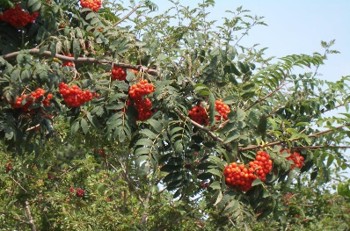
Figure 16. Mountain ash cultivar ‘Nevezhinskaya.’ Photo by Jacky King.
European mountain ash is a species of Sorbus, not related to the true ash tree, which belongs to the genus Fraxinus. It is a species native throughout Europe and in the mountains of southwest Asia. It has become widely naturalized in northern North America as a small landscape tree and wildlife food plant. Trees are self-fruitful and are pollinated by insects. Fruits are often mistakenly referred to as berries due to their small size, but they are technically a pome.
The fruit, which is high in tannin and pectin, can be used in jams and other preserves—on its own or with other fruit. In the United Kingdom, it is made into a slightly bitter jelly and eaten with game. However, the raw fruit contains a known carcinogen, parasorbic acid. Freezing, cooking, or drying will degrade the parasorbic acid and reduce the bitterness. As a landscape tree they are very attractive with an upright growth habit, dark green pinnate leaves, clusters of white flowers, and red or red-orange fruit (Figure 16; Table 13).
Evaluated at WSU NWREC
Evaluated elsewhere
Rosina
Konzentra
Rabina
Ivan’s Belle (S. aucuparia × Crataegus)
Nevezhinskaya
-
Ivan’s Beauty (S. aucuparia × Aronia)
-
Table 13. Mountain ash cultivars for western Washington.
Figure 17. Mature fruiting tree in bloom. Photo by Jacky King.
X Sorbopyrus auricularis—Shipova, Bolwiller pear
Shipova (X Sorbopyrus auricularis) is an intergeneric hybrid—a rarely seen cross between two different genera, Sorbus and Pyrus. One parent was the European pear (Pyrus communis) and the other a species of Sorbus, probably S. aria, the common whitebeam. Records show Shipova originated sometime before 1610. Relatively few Shipova trees have been grown throughout the world, even though the plant has been known for more than 400 years and bears delicious fresh fruit.
Trees of Shipova came to America from imported cuttings at the Arnold Arboretum around 1917, from a specimen originally grown in Paris in 1834. In 1920, scions were imported from a specimen growing on the grounds of the Paris Museum of Natural History (Postman 1996). A more recent introduction in 1959 from Belgrade, Serbia, with the cultivar name ‘Shipova’ is identical to our Sorbopyrus tree at WSU NWREC.
Figure 18. Shipova fruit. Photo by Jacky King.
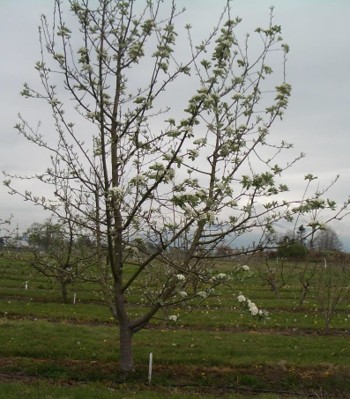
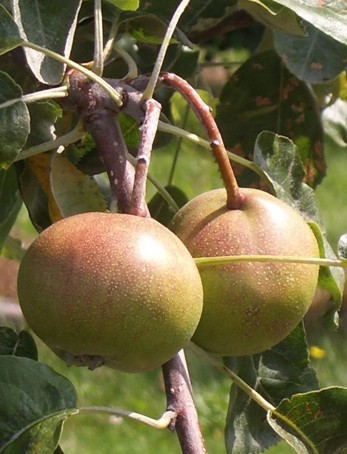
Trees can reach 15–20 feet high, with an open, pyramidal growth habit requiring little pruning (Figure 17). It is notoriously slow to start fruiting, taking up to 15 years if growing conditions are not favorable. White five-petaled flowers are self-fertile but the tree generally produces larger crops when planted beside pear trees that bloom at the same time due to cross-pollination. Shipova fruit is about two inches in diameter with yellow skin and semi-solid, buttery, sweet, and fragrant white flesh (Figure 18). There is little information about the nutritional and nutraceutical characteristics of this fruit, but for fresh eating, its flavor is unsurpassed.
Acknowledgements
Gary A. Moulton (WSU, retired) conducted the trials of uncommon tree and shrub fruit at WSU Mount Vernon NWREC from 1997 to 2009. Financial support for the study was provided by the Western Washington Fruit Research Foundation and the Northwest Agricultural Research Foundation. Raintree Nursery, Morton, WA, and Northwoods Nursery/One Green World, Portland, OR, donated trees and materials; their contributions are gratefully acknowledged. All photographs are by Jacqueline (Jacky) King, WSU (retired), unless otherwise designated.
Additional Resources
Agricultural Marketing Resource Center. 2022. Fruits. University of Saskatchewan Fruit Program. n.d. (a). Haskap.
Hummer, K.E., K. Pomper, J.D. Postman, C.J. Graham, E.W. Stover, E.W. Mercure, M.K. Aradhya, et al. 2012. EmergingFruit Crops. Chapter 4 in Fruit Breeding, pp. 97–147. University of California.
Layne, D.R. 1995. Pawpaw. Purdue University Center for New Crops & Plant Production. Purdue University.
Li, T.S.C. 2002. Product Development of Sea Buckthorn. In Trends in New Crops and New Uses, J. Janick and A. Whipkey, eds., pp. 393–398. ASHS Press.
MISA (Minnesota Institute for Sustainable Agriculture). 2018. Honeyberries/Haskaps. University of Minnesota.
WSU Extension publications contain material written and produced for public distribution. Alternate formats of our educational materials are available upon request for persons with disabilities. Please contact Washington State University Extension for more information.
Issued by Washington State University Extension and the US Department of Agriculture in furtherance of the Acts of May 8 and June 30, 1914. Extension programs and policies are consistent with federal and state laws and regulations on nondiscrimination regarding race, sex, religion, age, color, creed, and national or ethnic origin; physical, mental, or sensory disability; marital status or sexual orientation; and status as a Vietnam-era or disabled veteran. Evidence of noncompliance may be reported through your local WSU Extension office. Trade names have been used to simplify information; no endorsement is intended. Published August 2023.
Hügelkultur gardening has taken off in recent years, but is it worth the hype? This publication explores where the practice came from, how to create a Hügelkultur bed, and presents the latest research on effectiveness.
This WSU fact sheet is one of a three-part series on cover crops for home gardeners. It focuses on choosing the best cover crops for gardens in Washington and Oregon, west of the Cascades.
Potatoes are grown worldwide and are a major staple of the human diet. They are a good source of complex carbohydrates, potassium, vitamin C, folic acid, trace minerals, and iron. This publication of ...