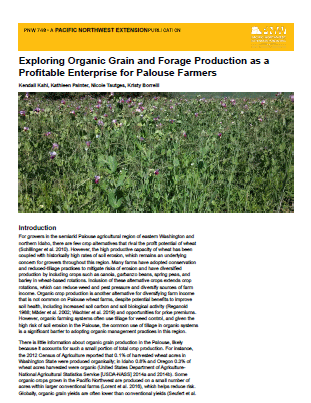
Exploring Organic Grain and Forage Production as a Profitable Enterprise for Palouse Farmers
Demand for organic grain has outpaced actual US grain production in recent years. Yet little is known about organic grain production in the Palouse, likely because it comprises a small portion of total crop production. This study takes a closer look. It examines crop productivity under reduced-tillage conditions, provides estimates of field-scale costs, determines the benefits of crop rotation, and describes the principal factors that determine profitability within cropping systems. The verdict: organic grain and forage production can be a profitable niche enterprise within a traditional Palouse nonorganic wheat farm.
Published: November 2020
Hurry! Only left in stock.
Related publications
-
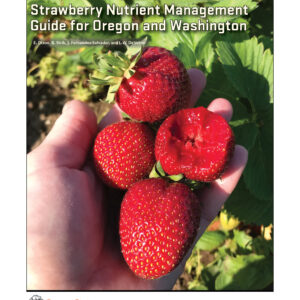
Strawberry Nutrient Management Guide for Oregon and Washington
Strawberry growers in Oregon and Washington raise fruit for both the processed and fresh markets, using both conventional and certified organic systems.
- Published:
- April 2019
- Reviewed:
- January 2023
- SKU:
- EM9234
-
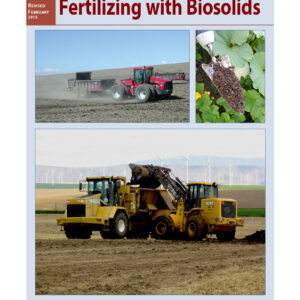
Fertilizing with Biosolids
Focuses on how biosolids can be used to supply nutrients to crops. Describes the nutrient content and fertilizer replacement value of biosolids and the relationship between biosolids nutrient input ...
- Revised:
- April 2022
- Reviewed:
- January 2023
- SKU:
- PNW508
Authors: -
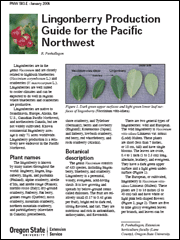
Lingonberry Production Guide for the Pacific Northwest
Lingonberries are native to Scandinavia, Europe, Alaska, and northeastern Canada, but are not widely cultivated. Known commercial lingonberry acreage is less than 100 acres worldwide, and one-third ...
Authors: -
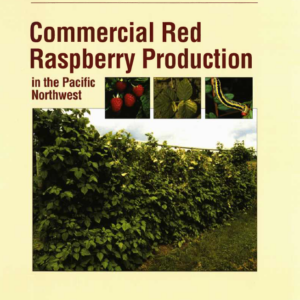
Commercial Red Raspberry Production in the Pacific Northwest
Commercial red raspberry production is popular and successful in western Oregon and Washington, and on small acreages throughout the eastern parts of these states and in Idaho. This publication des ...
- Published:
- October 2007
- Reviewed:
- January 2023
- SKU:
- PNW598