Selecting Types to Plant
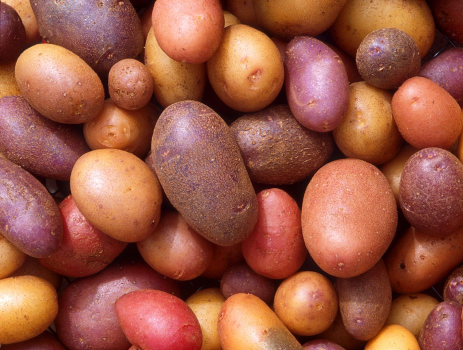
There are hundreds of named potato cultivars (cultivated varieties). Select cultivars based on your tastes, intended use, and storability. Gardeners may want to consider growing heirloom and gourmet cultivars that cannot be found in most grocery stores. Washington State University has compiled a list of cultivars that researchers have grown in the Pacific Northwest to evaluate for commercial production. The Potato Varieties from the Northwest (Tri-Sate) Potato Variety Development Program provides information on growing and best uses for a number of the cultivars.
Potatoes may be grouped into classes based on shape, color, flesh color, and the texture or appearance of their skin. Russet-type potatoes are generally oblong and have a thicker, rougher skin than the smooth-skinned type. Flesh flavor, texture, culinary uses, and storability vary with cultivar; selection of cultivars should be based on the gardener’s preferences and intended uses.
Potatoes may also be grouped by the average length of their growing season, with early cultivars maturing in 60–80 days, mid-season cultivars in 80–100 days, and late season cultivars maturing in 100 days or more. In areas with long growing seasons, potato harvesting can be spread out by planting all three types of cultivars or by staggering planting times of one type.
There are also numerous heirloom and specialty potato cultivars that vary widely in flavor, shape, and color. Fingerling potatoes are a popular group of specialty potatoes. These cultivars have small, elongated, finger-shaped tubers. Some types of specialty potatoes, like fingerlings, are starting to become available on grocery store shelves, but most are not readily available. However, home gardeners can find seed for specialty potatoes through mail-order companies.
Choosing a Planting Site
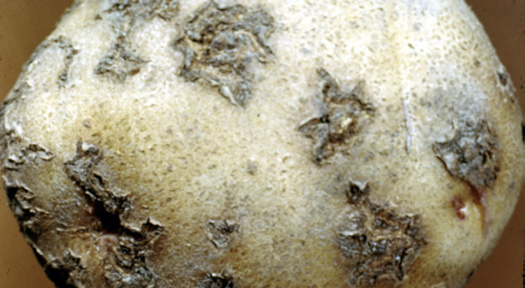
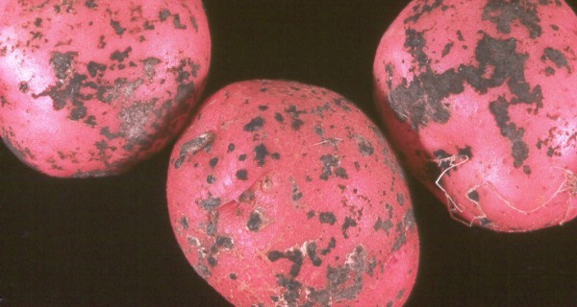
Because tubers develop in the soil, potatoes grow best in loamy or sandy soils that are well-drained and free of rocks, but they can be grown in almost any type of soil. Potatoes prefer slightly acidic soil with a pH of 6, but will tolerate slightly alkaline soils with a pH of 8. A soil test will provide the pH and nutrient levels in the soil. Potatoes growing in alkaline soil or soil that has been amended with fresh manure or wood ashes are more prone to developing scab, a disease that affects the tubers.
Some home garden soils in Washington State may contain high levels of heavy metals like lead and arsenic. These heavy metals can pose a human health risk when gardening or eating vegetables (especially tuber and root vegetables) grown in these soils. WSU Extension recommends having soil tested for heavy metals if this is a concern in your area. For more information, see Gardening on Lead- and Arsenic-Contaminated Soils. If the soil is contaminated, potatoes can be grown without soil in containers consisting of uncontaminated media.
Planting Guidelines
Potatoes are typically planted from seed potatoes. These are potato tubers that were produced the previous season. Small whole potatoes or potatoes cut into pieces with at least one “eye” are used as seed pieces. Seed potatoes can be purchased from farm and garden stores or through mail-order companies.
Purchase only certified potato seed. Certified seed is tested and verified to be relatively disease free and not treated with sprout inhibitors. Experts advise against using market potatoes for seed potatoes because many have been treated with sprout inhibitors and may be infected with viruses, which will significantly reduce yield and quality.
Many gardeners plant potatoes as soon as they can get out in the garden in the spring, when the soil is dry enough to be tilled. However, waiting to plant later in the spring helps avoid rot due to cold, wet soils and damage from frost after shoots develop. Wait to plant for approximately 4–6 weeks before the last date of frost in your area and when the soil temperature is at least 50°F.
To prepare the soil for planting, till to a depth of 6–8 inches. Avoid excessive tilling, which destroys soil structure. Work well-rotted compost or manure into the soil, but do not use fresh manure as it may contain pathogens that are a human health risk. It could also introduce scab disease into the soil, especially on smooth-skinned potatoes. Apply fertilizer as recommended by a soil test. For guidelines on fertilizing your vegetable garden, consult Home Gardener’s Guide to Soils and Fertilizers.
To plant, use a hoe to create furrows (shallow trenches) about 4 inches deep. Place the seed in the bottom of the furrow approximately 10 to 12 inches apart and then cover with 4 inches of soil. Furrows should be spaced 2 to 3 feet apart. When planted at the 2-foot spacing, the plant will provide better shade coverage, which is an advantage in areas where high soil temperatures deter tuber growth. Depending on the weather and the soil temperature, sprouts will start to emerge from the soil in about 3 to 4 weeks.
Growing potatoes under straw is an alternative to hilling them with soil. Plant seed pieces on top of the soil or only about an inch deep in the soil using the recommended spacing. Cover the seed with a 6-inch layer of clean straw. It is likely that growing potatoes under a layer of straw will not be successful for gardeners living in regions of the state with extremely hot, dry summer conditions.
Plant Maintenance
Hilling is a technique used when growing potatoes that involves covering the tubers with more soil as they grow. When hilling, wait for potato plants to reach a height of 6 inches or more, then use a hoe to gently pull soil from between the rows and gently mound it around the base of the plant, creating a new 2-inch layer of soil. Repeat this process every couple of weeks until the “hill” is 6–8 inches high. If preferred, a low 2-inch hill can be created at the time of planting and then increased periodically after plant emergence.
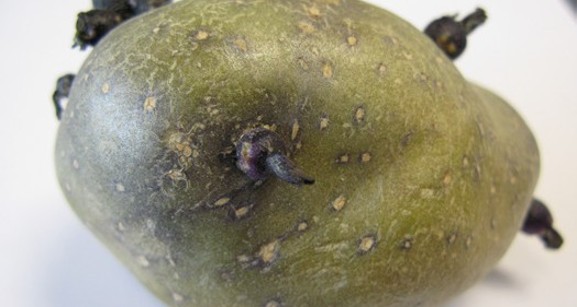
Hilling potato plants helps control weeds, loosen the soil, and prevent tubers from turning green. Greening occurs when tubers are exposed to sunlight. While this green plant pigment (chlorophyll) is harmless, the tubers also develop a poisonous alkaloid (solanine) when exposed to light. Eating large amounts of this alkaloid can cause illness; although, it is unlikely that individuals will eat enough to make them sick because it has a very bitter taste. However, it is best to hill the potatoes to avoid producing potatoes with green skin and flesh.
When growing potatoes under straw, wait for potato sprouts to appear above the straw, then add another 6-inch layer of straw. Repeat when the sprouts appear again. The tubers develop in the straw, instead of in the soil. Plus, the straw helps in controlling weeds and maintaining soil moisture.
While growing potatoes is relatively easy, maintaining an even soil moisture is crucial to producing a good crop of well-shaped potatoes. After the plants emerge, potatoes need about 2 inches of water per week, depending on the weather and the type of soil. Regular irrigation will be needed if natural precipitation is not adequate.
Unless the soil is very dry, do not water your potato planting before plants emerge because it can lead to seed rot and crop failure. When irrigating, moisten the top 18 inches of soil. Additional water is not needed because potato roots only grow to a depth of 18 inches in good soil. To avoid leaf diseases, it is advisable to irrigate in late afternoon or early evening so the leaves do not stay wet for long periods of time.
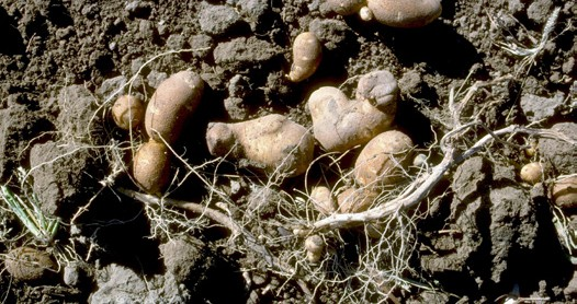
Wide fluctuations in soil moisture will cause uneven tuber development leading to potatoes with knobby growth, pointed ends, or a dumbbell shape, depending on when the water-stress occurs.
Mulching between rows will help maintain more even soil moisture, reduce weed growth, and keep the soil cooler during hot weather.
Pest Management
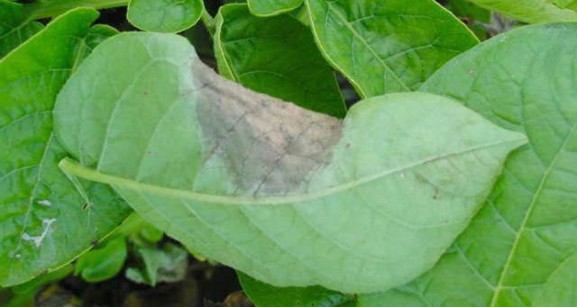
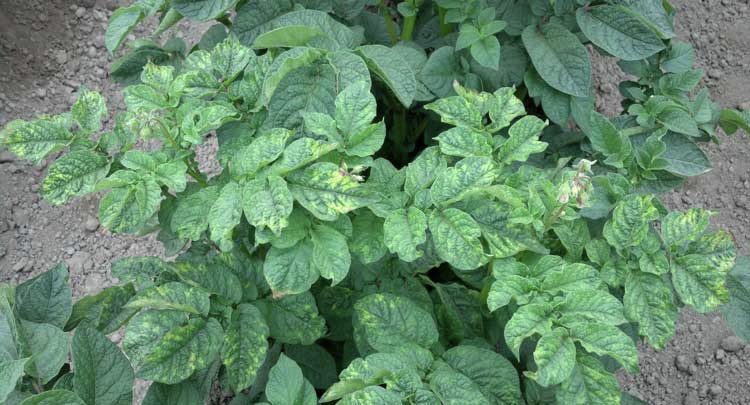
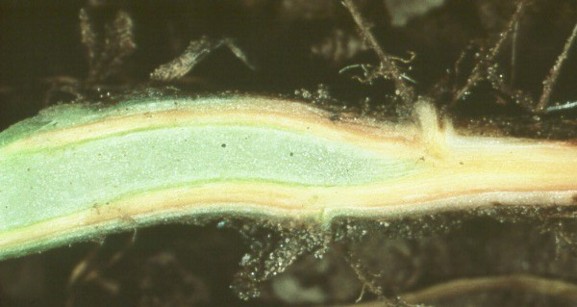
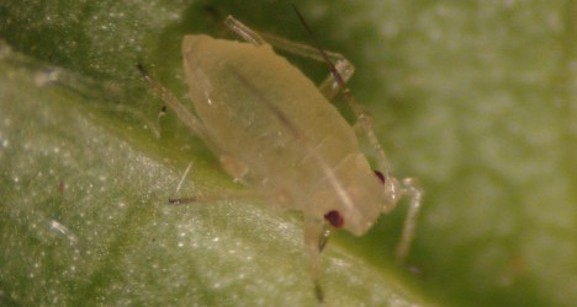
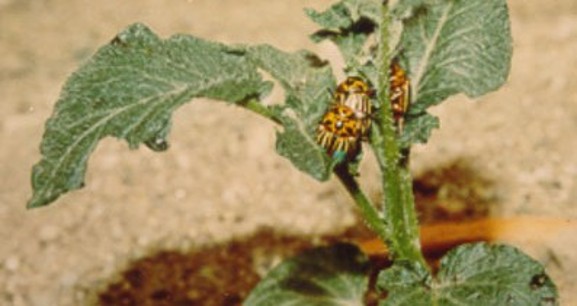
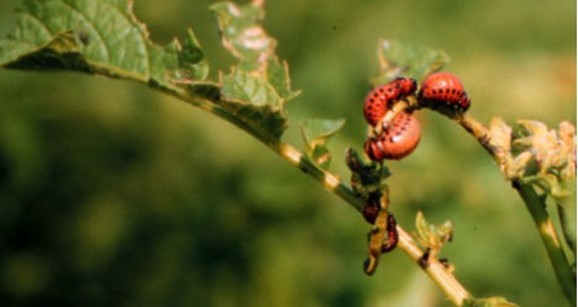
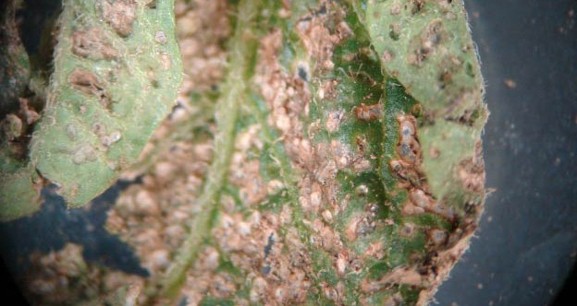
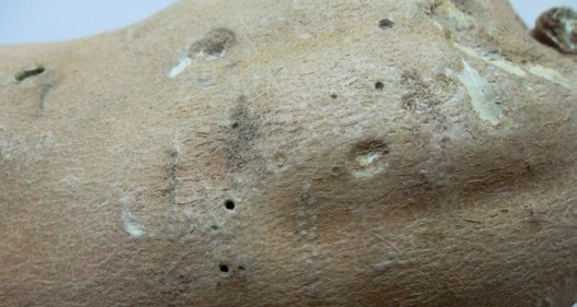
Potatoes are susceptible to a long list of diseases and insect pests in Washington gardens. Common diseases include late blight, scab, black scurf, Verticillium wilt, and numerous viruses. Common insect problems include Colorado potato beetle, aphids, flea beetles, and wireworms. For management information on using chemicals for pest control, see WSU Hortsense.