Conservation Grazing Part 1: Introduction to Conservation Grazing for Western Washington Prairies
Description
Learn what conservation grazing is and how implementing this practice within a livestock enterprise can help balance the seemingly contradictory goals of ecosystems benefits, livestock production, and grazing land restoration.
Table of Contents
- Introduction
- Grasslands Globally and in Western Washington
- Geographic Extent of Grasslands in Western Washington
- Native Ungulates in Grasslands: A Model for Livestock-Based Grazing Disturbance?
- Ecological, Cultural, and Social Importance of Grasslands
- Loss of Grassland and Grassland Species Globally and Locally
-
What Is Conservation Grazing?
- Conservation Grazing as a Broadening of Priorities
Introduction
Conservation grazing is an evolving concept holding that grazing animals, grassland habitat, and wildlife conservation are inextricably linked. It has been variously defined as “livestock grazing that delivers multiple benefits for wildlife and people now and into the future,” and “ . . . the use of livestock where the primary objective is to manage the site for wildlife, whether it be grassland, woodland, wetland or scrub,” among other descriptions (Tallowin 2021; Payne 2020). Conservation grazing as an approach is part of a transition from a utilitarian focus on livestock and forage production to an ecosystem management focus (Fuhlendorf et al. 2012; Havstad et al. 2007; Freese et al. 2014), and perhaps even a focus on the conservation of traditional pastoral cultures. While natural resource conservation elements have been common in grazing management plans for decades, they could be better supported by practical and detailed guidelines, such as through Extension publications, detailed planning tools, and trainings grounded in grassland and restoration ecology.
To begin to address these gaps, this Extension publication series aims to:
- Introduce grassland ecology and the conservation grazing approach.
- Compile available natural and social science concepts and principles to build shared understandings of grassland ecology, ethnoecology, and restoration on grazing lands.
- Illustrate these principles through practical examples.
A common problem when considering use of grazing animals for conservation is the conflicting perspectives and priorities held by livestock producers, conservation ecologists, and the regulatory community. While a popular refrain among proponents of grazing animals for sustainable grassland management is “it’s not the cow, it’s the how,” some remain unconvinced.
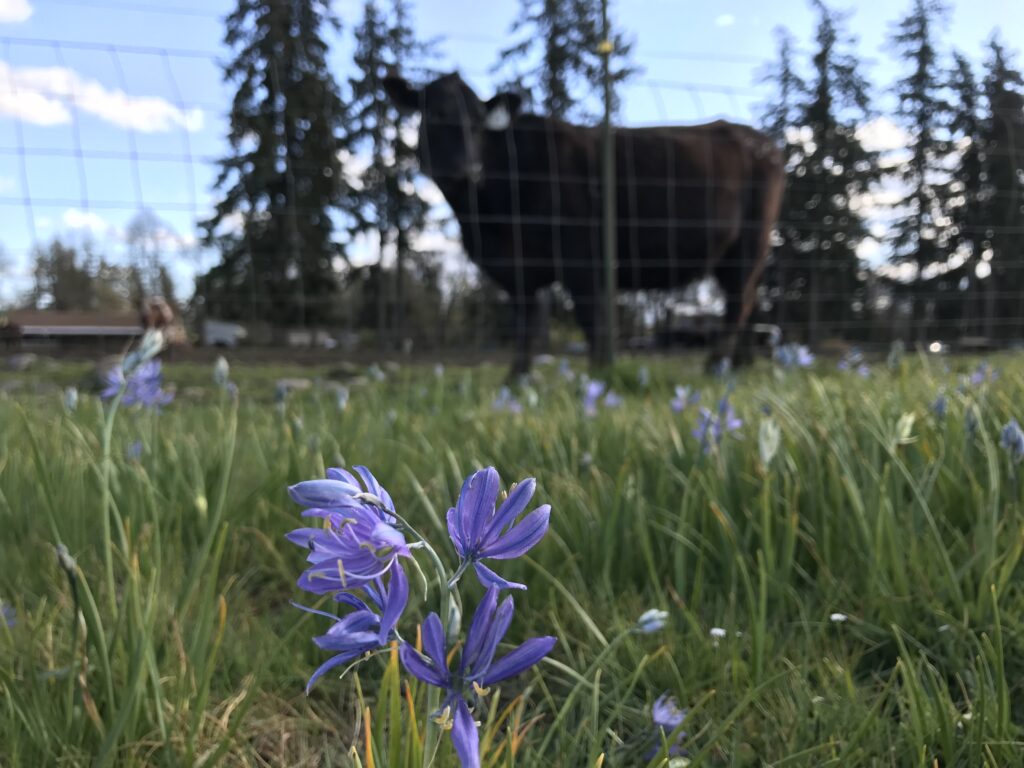
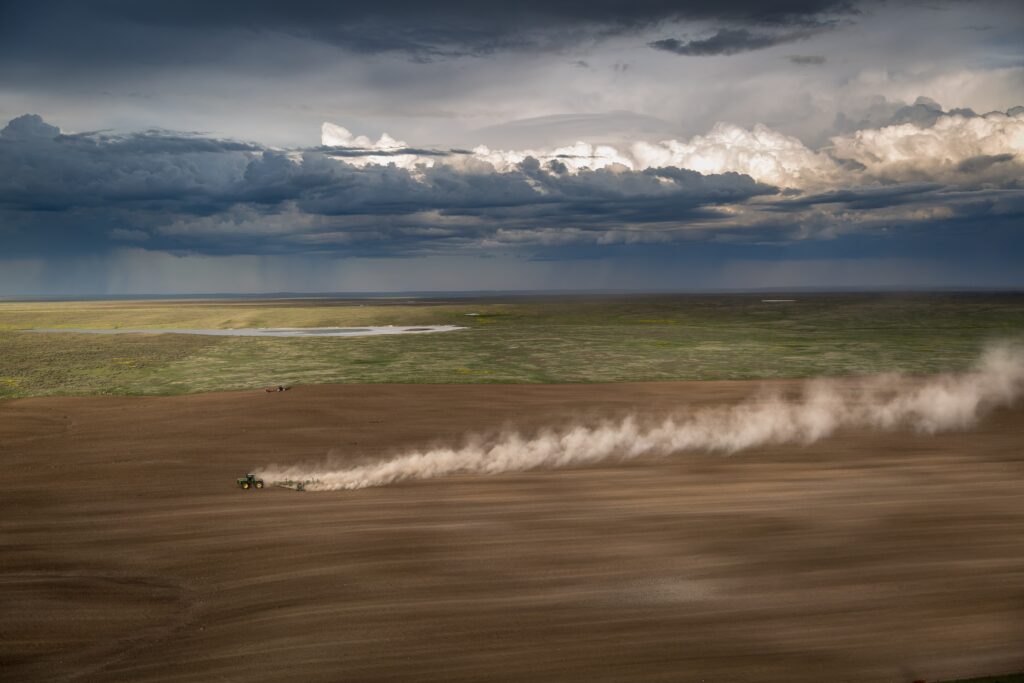
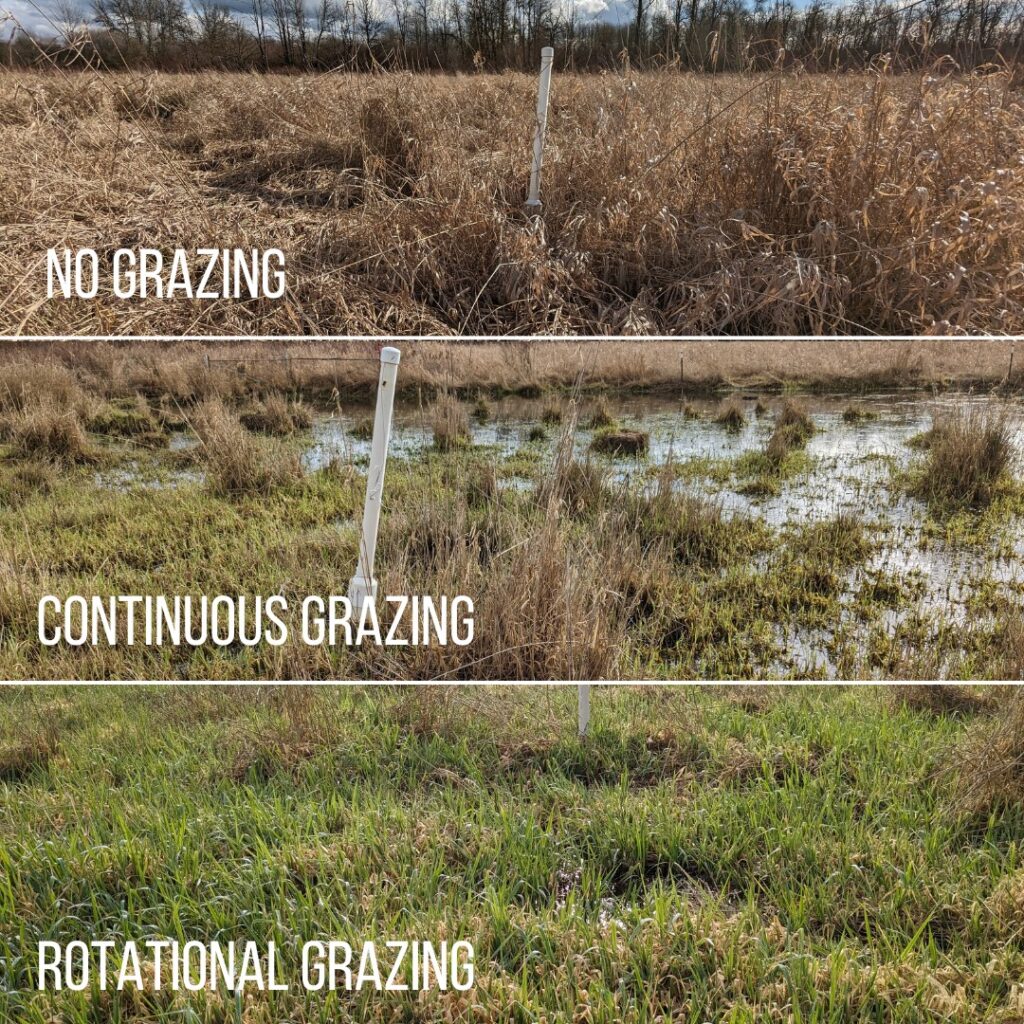
For those who remain unconvinced, concealed within the refrain above is the possibility that grazing can be applied as an ecological process and that, just as with fire, grazing applied well can generate ecological niches and, thereby, wildlife habitat (Figure 1).
This publication series aims to increase knowledge of ecological principles in grassland management, using specific management examples to illustrate how grazing has been applied historically and can be applied in the future as an ecological process for biodiversity conservation and enhancement. The target audiences are the public entities and regulators, grass-based livestock producers, conservation land managers, private landowners, and others.
Background is first provided on grasslands locally and globally, including their geographic extent, ecological, cultural, and social importance, and trends in the loss of this critical biome. An introduction to conservation grazing follows. Subsequent publications in this series present management and planning tools for implementing a conservation-oriented approach to grazing.
Grasslands Globally and in Western Washington
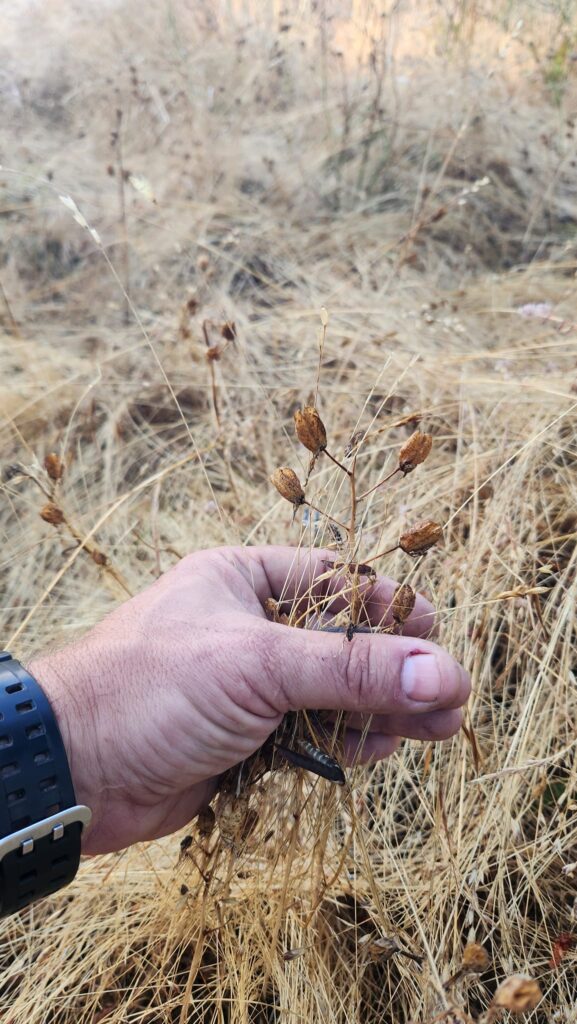
Grassland ecosystems cover approximately 26% (8.6 billion acres) of the global land surface (Squires et al. 2018). Add savannas, shrublands, semi-forested rangelands, arid, and tundra habitats, and these ecosystems cover approximately 40% of the terrestrial land surface. Grass-dominated ecosystems occur across a variety of elevations, topographies, and latitudes, developing under conditions that limit closed tree cover. These condition limits include environmental factors such as precipitation (or lack thereof), soil type, wildfire or herbivory disturbance, cold temperatures, and cultural maintenance through burning or removal of shrubs and trees (Figure 2).
Grasslands have been typified as natural, semi-natural, or improved (Squires and Feng 2018), though these divisions are often hard to maintain. Natural, or primary, grasslands are predominantly maintained by low rainfall or cold temperatures, often in combination with herbivory and fire. For example, fossil records indicate that the expansion of grasses (species in the family Poaceae) coincided with increased aridity and retreat of forests during the Oligocene (34–23 million years ago) (Gibson 2009). Such was the case in North America during this time, when uplift of the Rocky Mountains reduced rainfall on the Great Plains east of the emergent continental divide. Other regions of these so-called natural grasslands include Australia, the Arctic, Antarctic and alpine tundra (“tundra” means “treeless plains” in Finnish), pampas of Argentina, African savanna, and steppe regions of Russia, Mongolia, and China, among others.
In the Mesolithic to Neolithic transition (4,300 to 3,700 years ago), it becomes more difficult to separate human activity, such as burning and extensive grazing management, from climatic maintenance of grassland ecosystems (Figure 3). Additionally, referring to human-influenced grasslands as “semi-natural” suggests the role of indigenous populations are artificial or unnatural. This is problematic in prairies that have been managed by Indigenous communities for so long that it is difficult to isolate the role of people in the endemic speciation and unique ecosystems that resulted.
Semi-natural, or secondary, grasslands are loosely defined as lacking one or more of the natural disturbances or climatic limitations that maintain herbaceous dominance (Gibson 2009). These grasslands are associated with human activity in which succession to tree canopy closure is or has been restricted, typically through the use of fire (Figure 4) but also potentially in combination with moisture-limiting edaphic (soil) conditions.
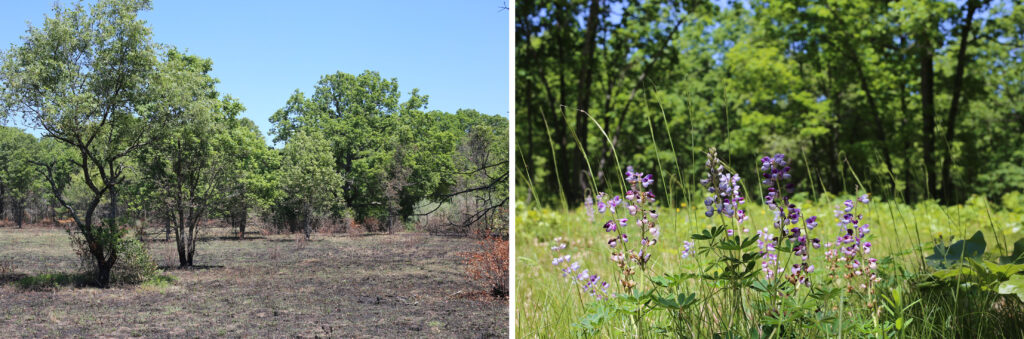
Grass- and forb-dominated prairie ecosystems of western Washington are a type of secondary grassland, though with qualifications. Maintenance of these ecosystems for habitat and natural function in addition to mere forage production distinguishes a “semi-natural” from a “secondary” classification. In technical terms, northwest grazing landscapes managed for conservation are semi-natural secondary grassland. So-called improved grasslands are those managed with high-producing, non-native livestock forages that are the result of breeding programs, such as perennial ryegrass (Lolium perenne) and white clover (Trifolium repens). These grasslands are often but not always managed with increased fertility and irrigation inputs.
As noted, in the Puget lowlands, the picture is complicated by climatic shifts before and after glacial expansion and contraction. Fossil pollen samples dominated by the grass family (Poaceae) and genus Artemisia suggest a cold, steppe-like climate between 40 and 14 thousand years ago (Ashworth and Nelson 2014). As a result, what likely became grasslands maintained by Indigenous populations were, at one time, so-called natural grasslands sustained by a colder and drier environment.
Geographic Extent of Grasslands in Western Washington
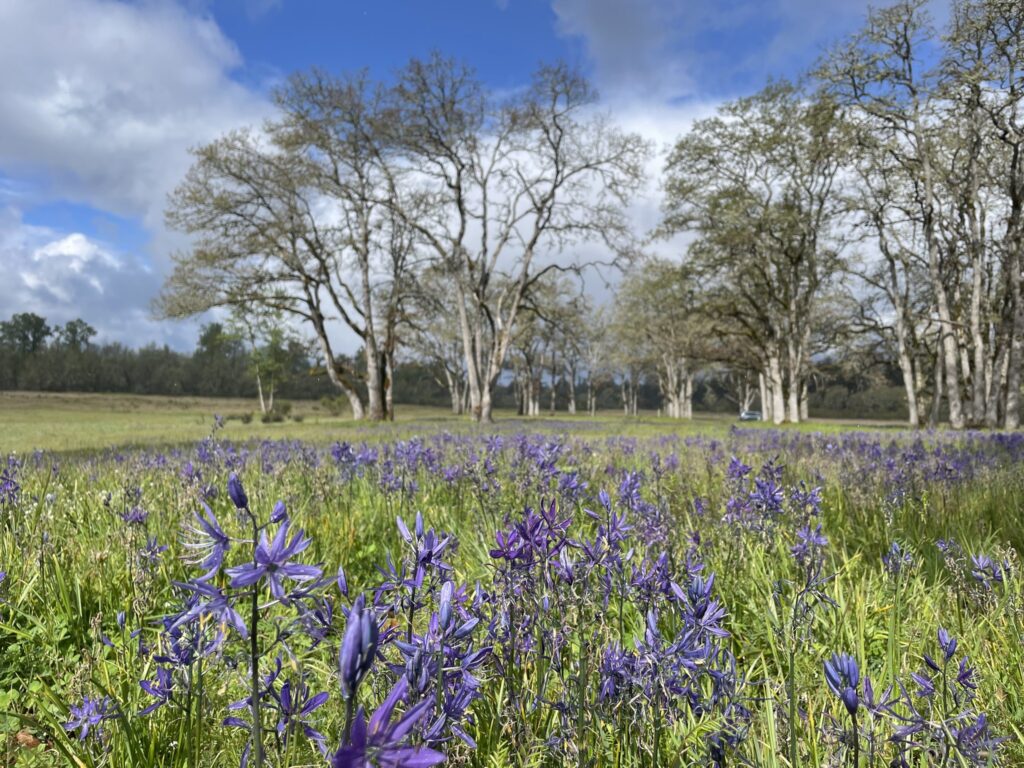
Terminology for grasslands is diverse and is not often applied uniformly. In technical terms, the prairie ecosystems of western Washington would be described as semi-natural grasslands (Figure 5). Prairie is a French word derived from the Latin pratum (meadow), and its popularization in North American is likely linked to early exploration by French-Canadian missionaries and fur traders (Creamer 2012). Other terms used to describe biodiverse grasslands in the context of conservation grazing, especially in Europe, include “high value grasslands” and “species rich grasslands.” Gibson (2009) provides a succinct compilation of grassland terminology, noting that many terms are based on traditional uses, such as hay meadow, pasture, forage, and rangeland. For this publication series, the terms prairie and grassland are used interchangeably, following local convention.
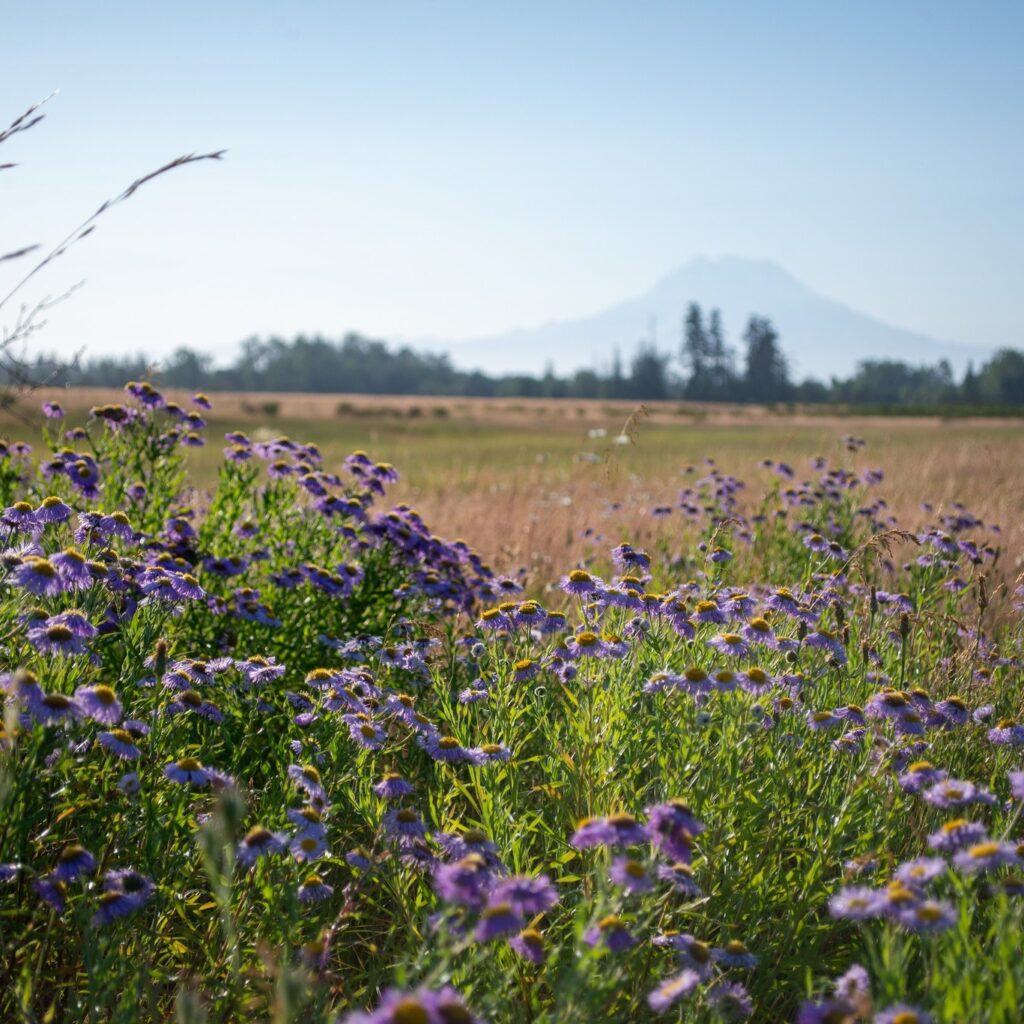
However they are described, grass- and forb-dominated ecosystems have been roughly mapped in western Washington based on the geographic distribution of prairie and grassland soils in the region as mapped by the Natural Resources Conservation Service (NRCS) (Noland and Carver 2011). These soils extend in patches from the Columbia River in the south near Camas, Washington, to the tip of Orcas Island (San Juan Islands) in the north, with a patch of prairie soils in eastern Whatcom County. This soil series includes Carstairs, Doty, Ebeys, Mossyrock, Nisqually, Orcas, Spanaway, Tacoma, and Washougal, among others, totaling approximately 47 soil series (Noland and Carver 2011). The three primary prairie regions in western Washington are the islands of San Juan and Island Counties, the prairies of Pierce and Thurston Counties extending into substantial areas of Lewis County, and southern Clark County near Camas (Figure 6).
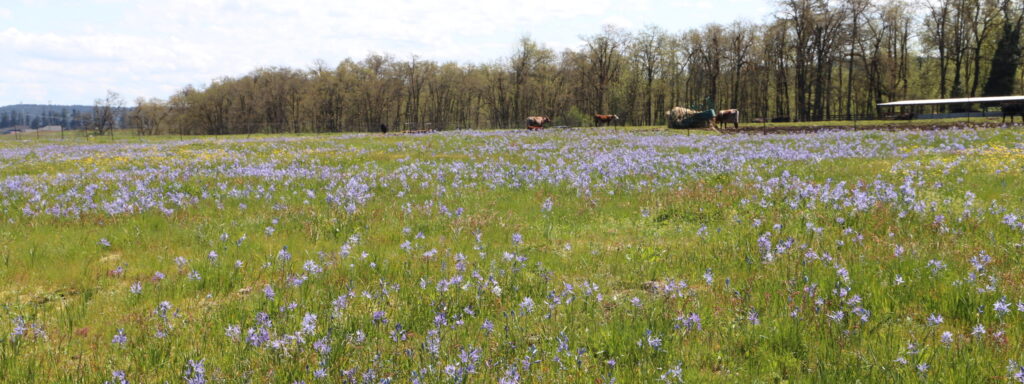
The historic extent of western Washington prairies is estimated at approximately 150 to 180 thousand acres, of which only 2,990 acres (or 3 percent) of “intact prairies” remain (Crawford and Hall 1997; WDFW 2024). The lower historic estimates from Crawford and Hall, now dated, were based on distribution of only a subset of those gravelly, well-drained soils noted above. As a result, the actual historic extent may have been much greater. Sites with these soils are also those most likely to have supported oak-savanna grasslands.
Native Ungulates in Grasslands: A Model for Livestock-Based Grazing Disturbance?
In many grasslands worldwide, native ungulates (wildlife that can digest cellulose-rich grass) have played a significant role in shaping these ecosystems in tandem with climatic and human influences. All three are types of disturbance that maintain native grass- and forb-dominated landscapes. Like climatic conditions and human management (such as use of fire), grazing by native ungulates has historically provided the critical and periodic disturbance that many grasslands require to fend off encroachment by trees and shrubs. While not directly comparable to wild ungulates, a need for periodic disturbance highlights the ecological niche that livestock (native grazer analogues) occupy when rotated, stocked, and managed thoughtfully.
There is very little known about the role native ungulates have played in the formation and maintenance of prairies in western Washington. Research from other regions have correlated an increase in grassland plant species richness with herbivory by native migratory ungulates, including bison, elk, and deer. These findings describe native ungulates as facilitating ecosystem services in grasslands, especially in moist grasslands (Frank 2005). Yet impacts are not always the same under varying conditions. In one study, moisture gradients were an important factor in determining whether grazing by large herbivores had a positive or negative impact on plant biodiversity, with greater risk of biodiversity loss in arid grasslands and greater benefit in wet grasslands (Gao and Carmel 2020). This finding is relevant to western Washington’s wet climate.
And while bison were not present historically in western Washington, their ecological role and impacts elsewhere may provide insights on how best to manage grazing cattle as an analogue. Reintroduction of bison in other regions has shaped/maintained and enhanced biodiversity in grassland ecosystems, and increased bird, mammal, arthropod, and plant diversity (Moran 2014; Boyce et al. 2022). Conservation grazing that relies upon domestic livestock may need to emulate the grazing behavior of large native herbivores, and considerable research is underway investigating how to create historical patch-mosaic disturbance patterns caused by these ungulates. (For further reading on patch-mosaic disturbance, see Fuhlendorf et al. [2012].)
Ecological, Cultural, and Social Importance of Grasslands
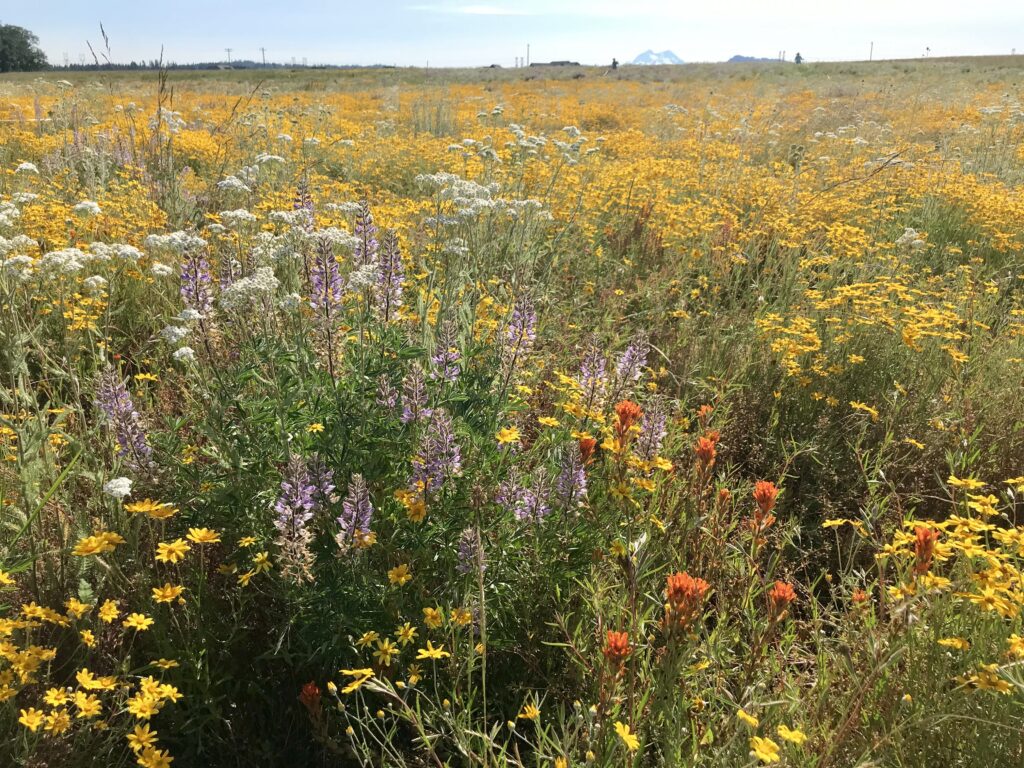
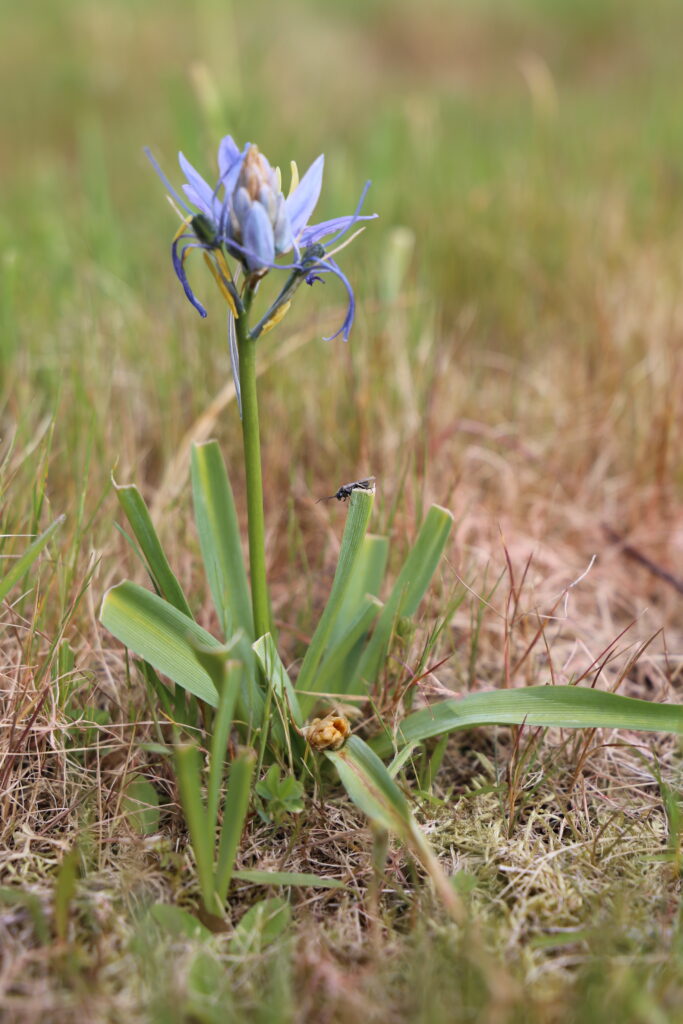
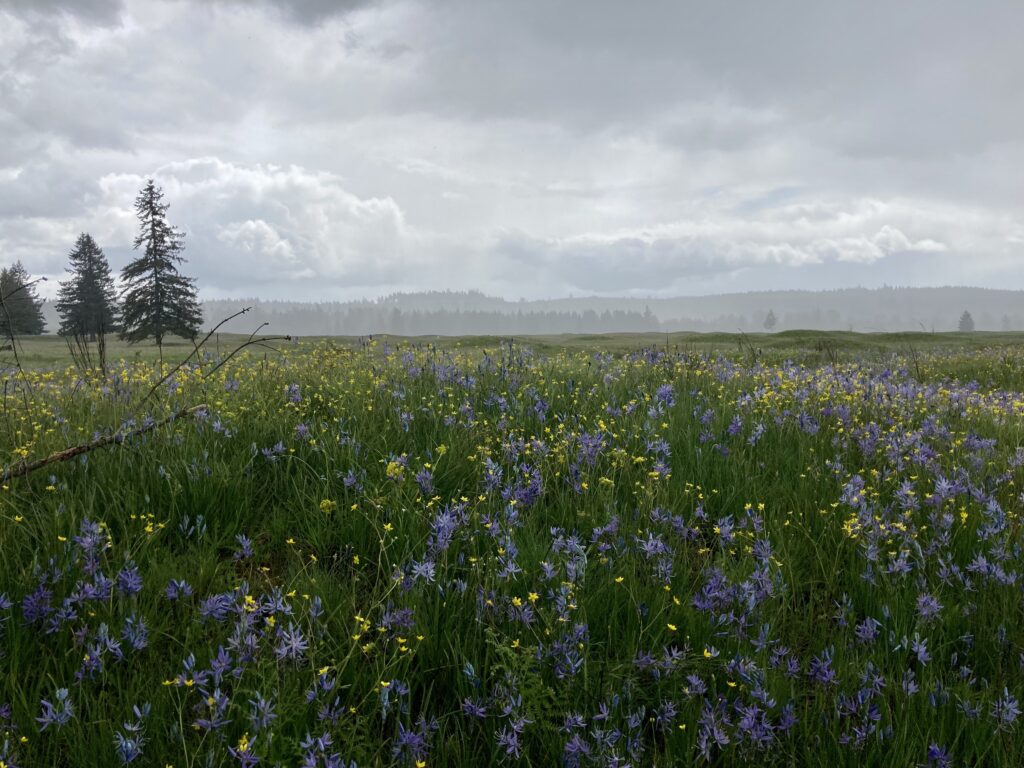
Globally and locally, grasslands support human livelihood and ecological function on a massive scale (Figure 7). Grasslands have supported food for human populations worldwide for millennia, generating a diversity of native first foods and, more recently, supporting the majority of agricultural operations. Grasslands currently constitute 70 percent of total global agricultural land area, sustaining two billion people (25 percent of the world population) (Robinson et al. 2019). Ecologically, grasslands play an important role in global climate regulation, exhibit greater plant diversity on small spatial scales than any other ecosystem in the world (e.g., number of species per 100 ft2 patch; Habel et al. 2013), and provide many ecosystem services in terms of pollinator resources (and resources for their predators) and water regulation (Figure 8) (Bengtsson et al. 2019).
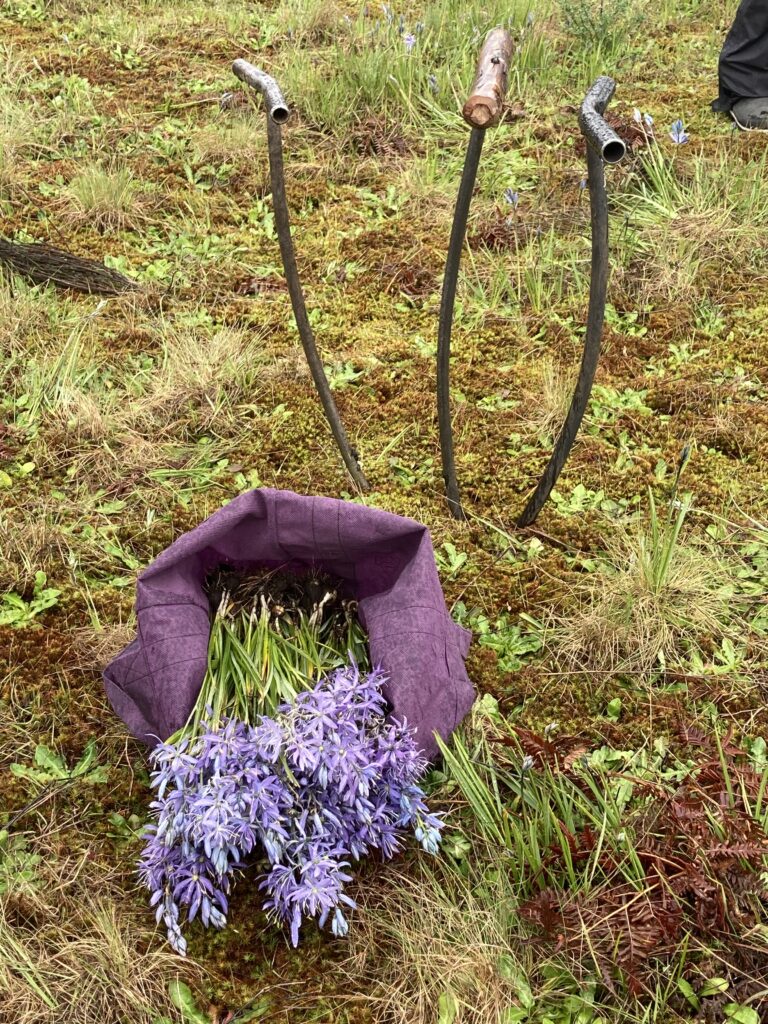
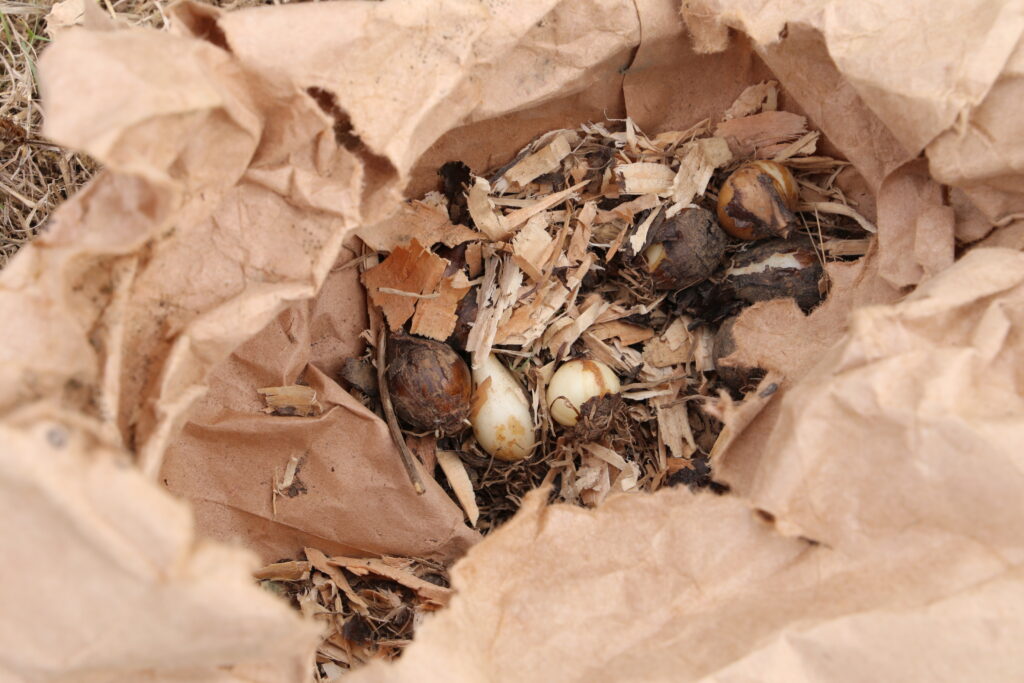
Prairies have been stewarded for thousands of years by Native peoples in western Washington using fire and traditional harvesting to generate food, medicines, basketry materials, and other textiles (Hamman 2021). These important cultural practices are still recognized and utilized by Indigenous tribes to manage prairies throughout the region, including in South Puget Sound the Nisqually, Chehalis, Cowlitz, Puyallup, and Squaxin Tribes, among others (Figures 9 and 10). Loss of traditional ecological management due to displacement of indigenous peoples and practices led to shrub and tree encroachment, loss of native species displaced by invasive forages, contraction of total area, and nutrient enrichment from agricultural intensification (Figure 8).
Today, grasslands still provide most of the land for livestock grazing operations and more intensive row-crop agriculture in the region. Also, western Washington prairies provide recreational and educational opportunities, such as birdwatching, hiking and trail running, horseback riding, botanizing, and educational experiences for upcoming livestock producers (Figure 11).
Loss of Grassland and Grassland Species Globally and Locally
Grasslands and associated grassland species have experienced dramatic declines worldwide over the past 50 years (Figure 12) (Peterken 2013; Mahony et al. 2022; NABCI 2022). This includes a 60% (360 million acre) loss of North American grassland, 90% loss of northern European semi-natural grassland, 106 million acre loss of Eurasian steppe, and 60%–80% degradation of South American grassland (Bengtsson et al. 2019).
Grassland species losses and extinctions can be illustrated by the decline of grassland birds. In North America, the overall abundance of birds (in total numbers) declined by 29% since 1970, amounting to the loss of approximately 3 billion birds. Across biomes, grassland species exhibit the greatest losses, with 74% of species overall in decline for a total estimated loss of 700 million breeding individuals across 31 species (Rosenberg et al. 2019). Decline in extent of global grasslands diminishes opportunities to sustain rural livelihoods, meet food and fiber needs from these perennial-based agroecosystems, and sustain grassland biodiversity and ecological function generally.
This same pattern occurs in western Washington where over 90% of the region’s grasslands have been lost due to conversion to cropland and urban development or invasion by shrublands or forest due to fire exclusion. The loss has significantly impacted grassland habitat, birds, and other wildlife (Figure 13). Most of the grasslands that do remain are ecologically compromised by invasive species. The substantial contraction of this habitat has resulted in its designation as a priority habitat by the state of Washington (WDFW 2023).
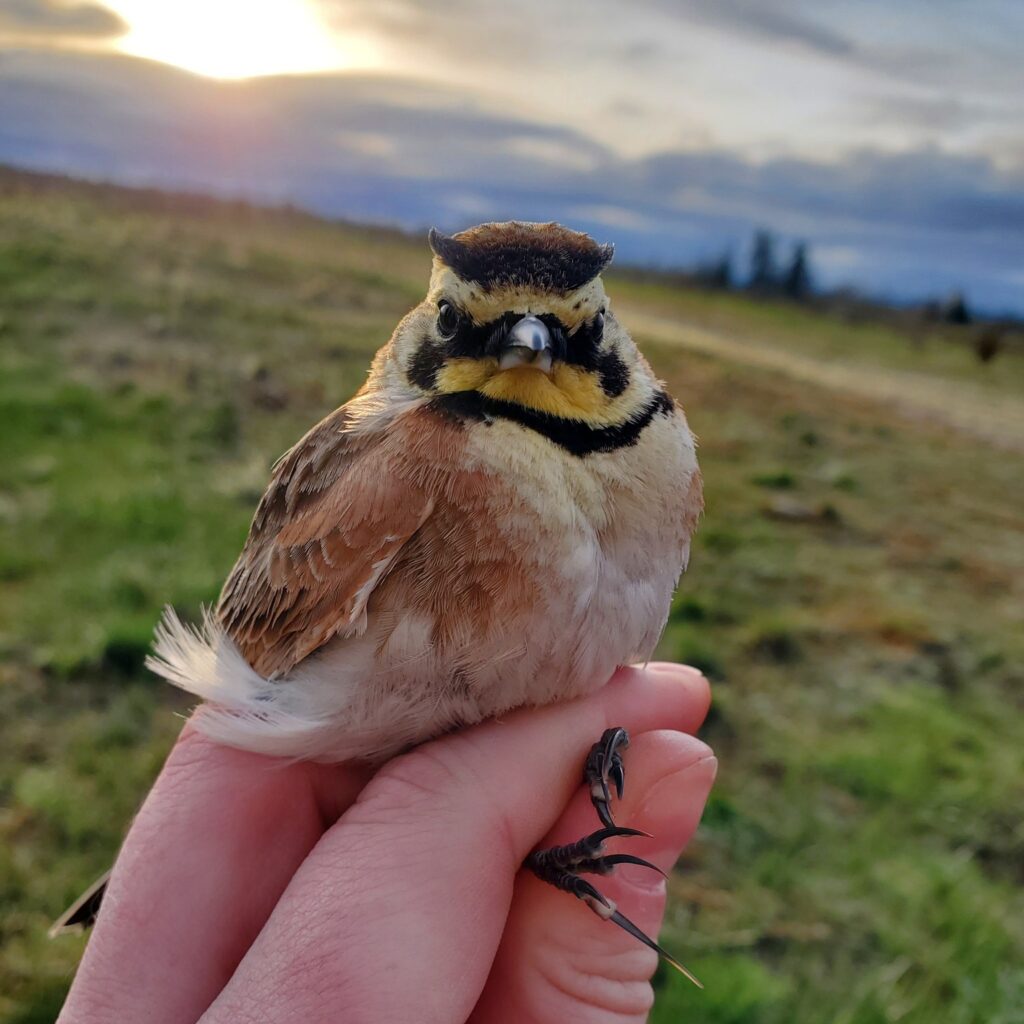
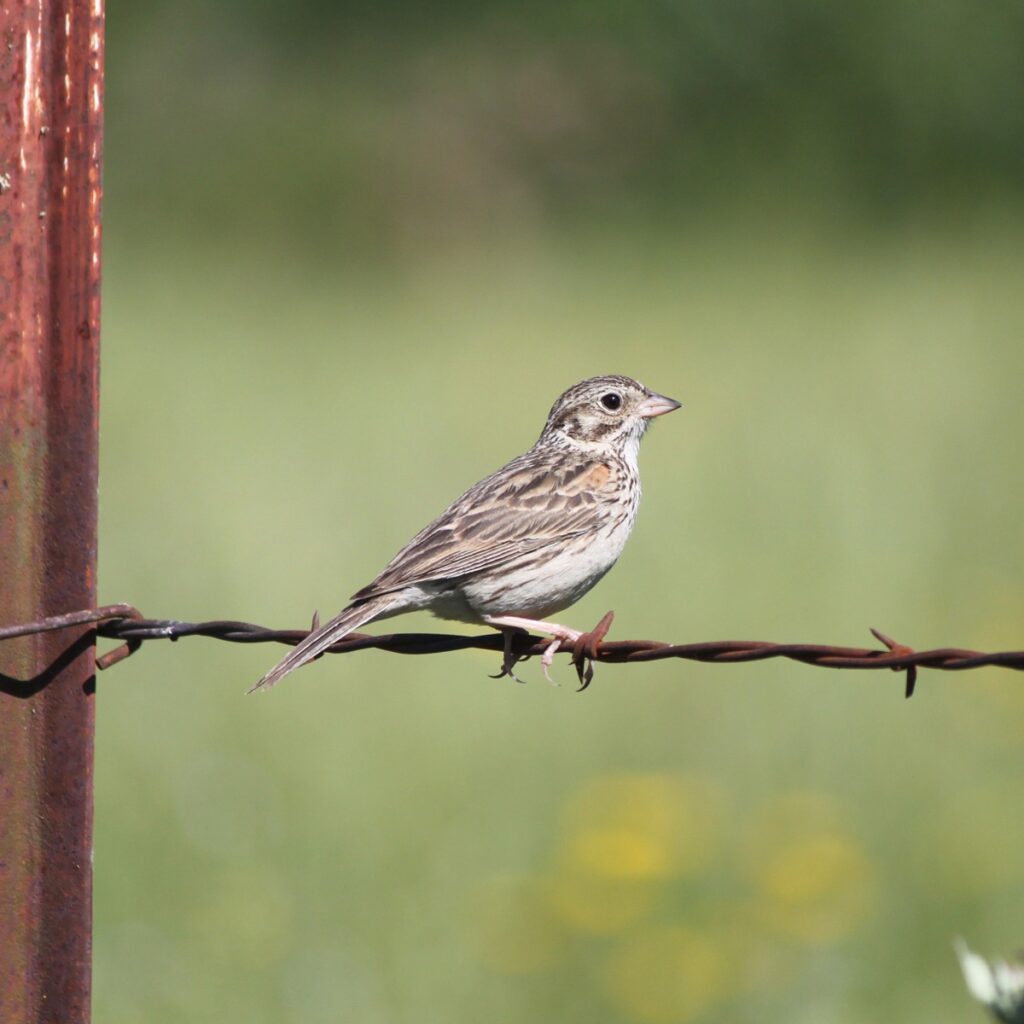
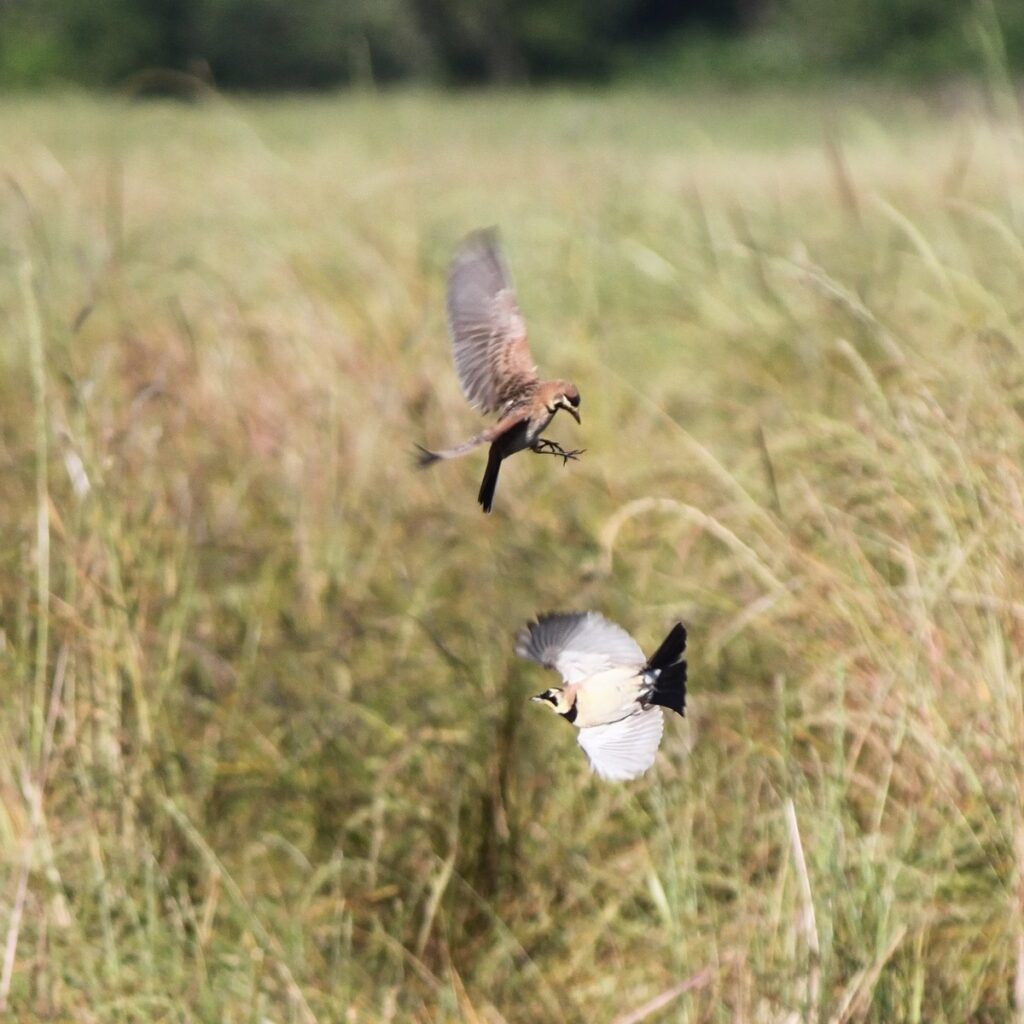
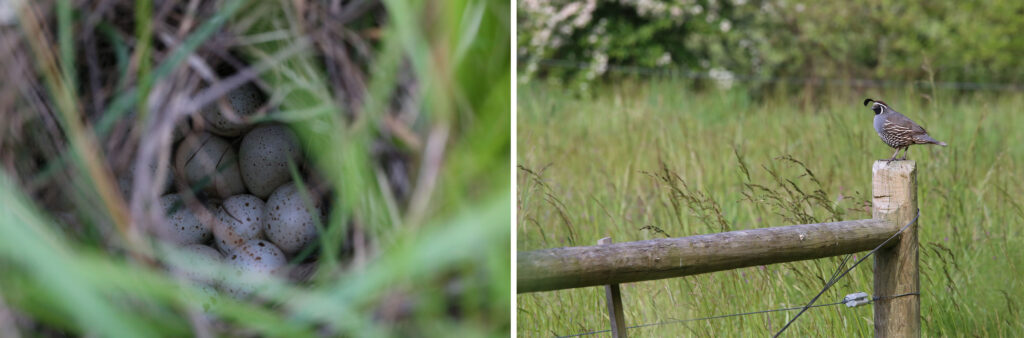
In western Washington, grassland species losses are illustrated by the federal listing of several threatened or endangered species in 2013–2014, including the Taylor’s checkerspot butterfly (Euphydryas editha taylori), Mazama pocket gopher (Thomomys mazama), Oregon vesper sparrow (Pooecetes gramineus; Figure 14), streaked horned lark (Eremophila alpestris strigata; Figure 15), and Oregon spotted frog (Rana pretiosa). These species all require certain aspects of open, diverse grassland, oak savanna, or wetlands adjacent to prairie.
What Is Conservation Grazing?
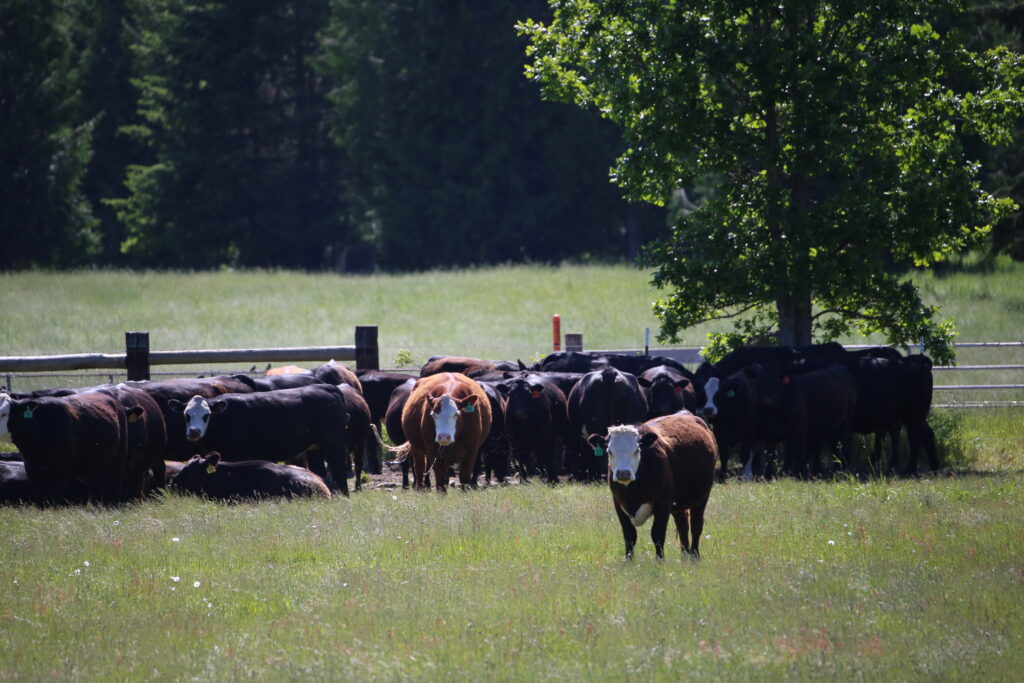
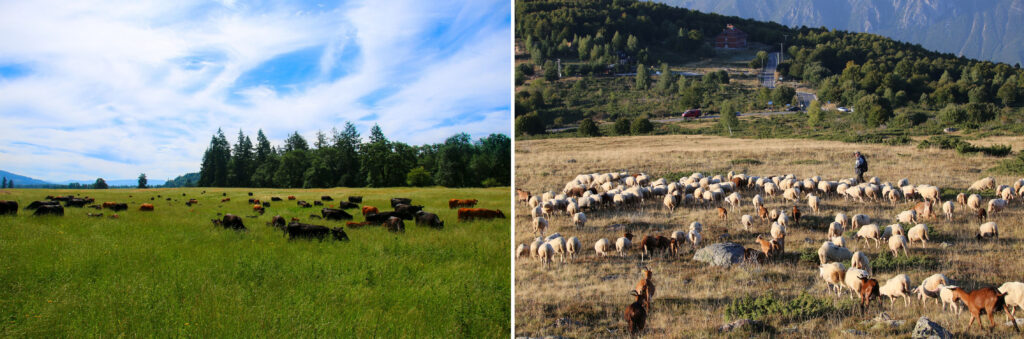
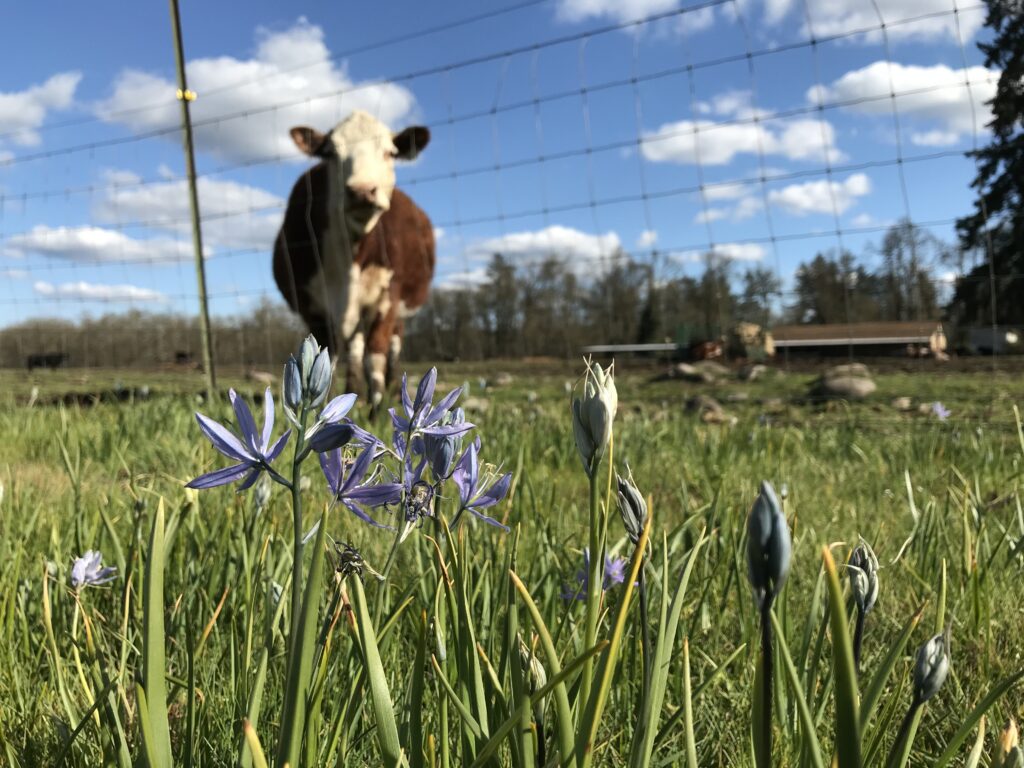
In the context of increasing land-use conflicts between habitat and food production, conservation grazing has emerged as an approach to integrate ecosystem management with livestock production (Figures 16 and 17).
Conservation Grazing as a Broadening of Priorities
Theoretically, conservation grazing is connected to a rethinking of the role of grazing in grassland ecosystems. This includes potentially a return to older, more extensive practices and active conservation of still-existing traditional pastoralism and Indigenous pastoral communities, though it does not exclude certain intensive grazing interventions designed for and compatible with specific conservation outcomes. Scientific literature describes the transition from a utilitarian and resource-use approach to grazing management focused on forage and livestock products to an ecosystem management approach as a paradigm shift (Fuhlendorf et al. 2012). For example, the environmental results of grazing for ecosystem management include not only food and fiber for humans but also carbon sequestration (climate regulation), pollination services, water infiltration and storage, wildlife habitat, and more (Goodwin and Porensky 2023).
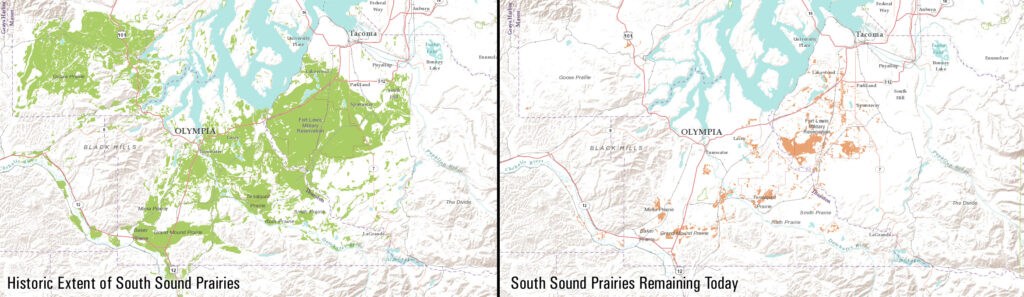
Side-by-side maps show the dramatic decline and fragmentation of South Sound prairie habitat in western Washington. The left map, “Historic Extent of South Sound Prairies,” uses green shading to show extensive, largely connected prairie landscapes around Olympia, south through the Grand Mound Prairie area, and northeast toward the Fort Lewis Military Reservation and areas south of Tacoma. The right map, “South Sound Prairies Remaining Today,” uses orange shading to show the remaining prairie habitat. Compared with the historic extent, today’s prairies are greatly reduced and fragmented into scattered patches, with concentrations around the Fort Lewis Military Reservation and smaller remnants south of Olympia and near Grand Mound.
To get a sense of the breadth of language used in this reexamination of the role of grazing livestock in a broader ecological sense, descriptions of this shift are included in the sidebar below.
Some Descriptions of the Shift from a Utilitarian Approach to Grazing Management to an Ecosystem Management Approach
“Transition from livestock-centered management toward biodiversity-centered management” (Freese et al. 2014).
Embrace of “ . . . an expanded view of rangelands as complex ecosystems that support multiple land use objectives and provide a full suite of ecosystem services including biodiversity (Figure 18) (Fuhlendorf et al. 2012; Havstad et al. 2007).
Opportunity to “ . . . promote pastoral communities and economies” for production of livestock products as well as to conserve biodiversity in collaboration with ecologists and conservation biologists (Havstad et al. 2007).
Opportunity to develop “lucrative markets” (Havstad et al. 2007) and supportive regulatory conditions (Westoby et al. 1989) that “free managers to intervene positively” and flexibly to enhance ecological services on managed grasslands.
Expansion of the focus of grazing management from forage production to include or even prioritize ecological and amenity goals such as improving water quality, conserving endangered species, and creating open space (Havstad et al. 2007).
What a Conservation Grazing Approach Can Contribute
Importantly, conservation grazing is not prescriptive but rather place-based, tailored to site conditions and goals, and responsive to cultural context. It is also not new, though it has lacked support from the modern economy. Conservation in many forms has been a component of grazing plan development for years, while grazing combined with fire shaped the biodiversity of grassland communities since ancient times. Terminology aside, what appears to be needed and what the concept of conservation grazing (or whatever terms we choose for elevating environmental results) provides is:
- Increased focus on functional connections between grazing science and practice and grassland ecology principles, such as heightened lay knowledge of the links between grazing, vegetation structure, and habitat (Figure 19).
- Repositioning grazing as an ecological process rather than a vegetation management tool, with resulting impacts on habitat patterns on the landscape (i.e., non-substitutability of grazing or fire with mowing or herbicide spraying).
- Persistent reevaluation of grazing and range science best management practices, with a focus on developing and testing practices to optimize forage and habitat niches, among other environmental results.
- A conservation-focused framework for organizing grazing planning tools and trainings. For example, worksheets, prompts, and technical support to help producers and others understand priority habitat, select practices for target vegetation structure, and design grazing plans to produce environmental results. Support tools should be equal in detail to and as ubiquitous as forage–animal balance worksheets.
- A rapidly expanding global catalog of inspirational examples to inform habitat stewardship and maintenance using grazing animals, such as those made recently available in the new WSU Conservation Grazing Toolkit.
- The potential to revalorize and incentivize traditional grazing practices that supported the codependence of species and habitat-rich grasslands with grazing animals for millennia.
- Conservation of grazing communities themselves, whether Indigenous, traditional, or more modern ones adopting conservation goals.
A Framework for Understanding Conservation Grazing
Practically speaking, conservation grazing can be organized hierarchically, from the general approach to relevant ecological knowledge or concepts, to management decisions that producers control on their farms and ranches, and finally to specific practices within these management decision areas (Figure 20). Ideas about conservation grazing are organized this way due to the rapidly growing number of conservation grazing examples worldwide. Grouping them by management areas that producers and land managers have control over can help understand options and thereby help in the development of grazing plans.
Selection of conservation grazing management practices within management decision areas provides opportunities to steer the effect of grazing on landscapes and habitat niches. These categories are discussed in greater detail and illustrated with examples in the following publications in this series, but they can be initially defined as following:
Livestock Type and Breed Selection: Deliberate selection of the grazing animal (type and breed) to match grazing behavior to achieve desired modification of vegetation on the landscape.
Animal Behavior: The use and gradual modification of grazing behavior itself (within livestock type or breed) to influence forage utilization to optimize vegetation use, habitat outputs, or other outcomes.
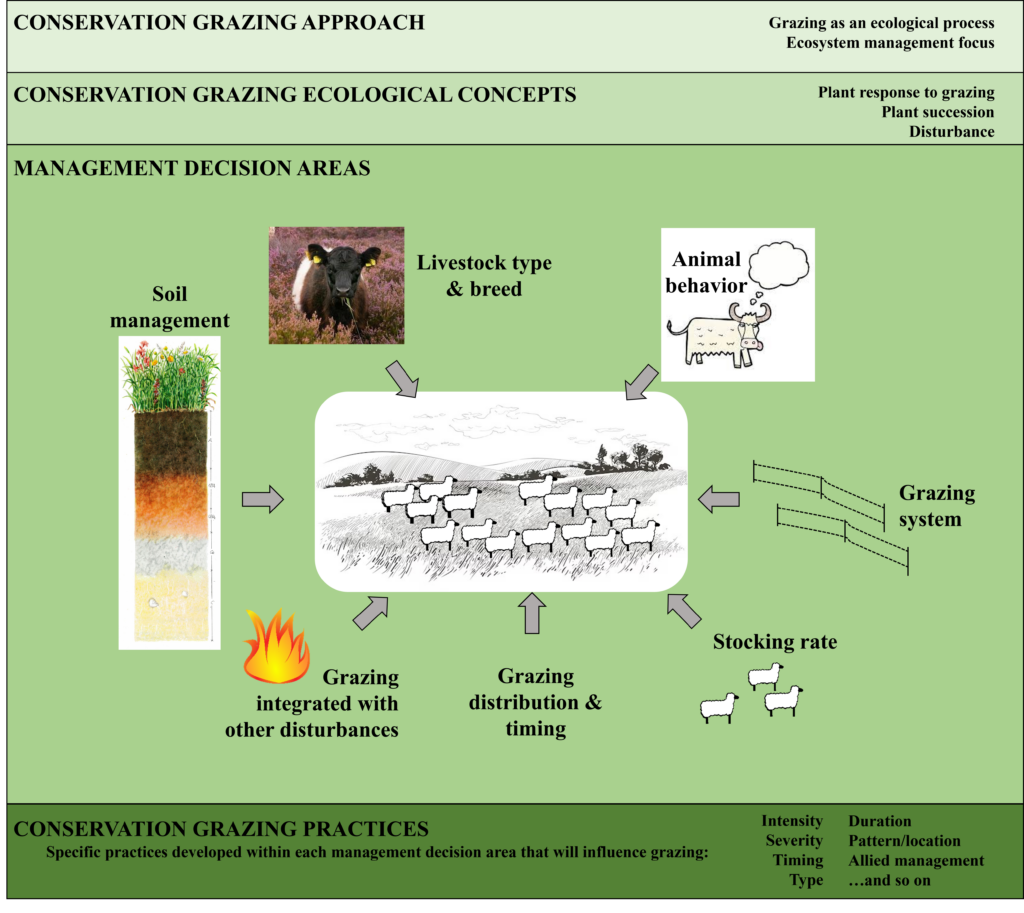
The diagram presents a framework for a “Conservation Grazing Approach,” described as “Grazing as an ecological process” with an “Ecosystem management focus.”
The next level, “Conservation Grazing Ecological Concepts,” identifies three concepts: “Plant response to grazing,” “Plant succession,” and “Disturbance.”
The largest section is titled “Management Decision Areas.” At the center is an illustration of a flock of grazing livestock. Eight management decision areas are arranged around the central image, with arrows pointing toward the grazing livestock:
- Soil management
- Livestock type & breed
- Animal behavior
- Grazing system
- Stocking rate
- Grazing distribution & timing
- Grazing integrated with other disturbances
The figure visually represents soil management with a soil profile, livestock type and breed with a photograph of a cow, animal behavior with a cartoon cow, grazing system with fencing, stocking rate with three sheep, and grazing integrated with other disturbances with a flame.
At the bottom, a section titled “Conservation Grazing Practices” states: “Specific practices developed within each management decision area that will influence grazing.” Examples listed are “Intensity,” “Severity,” “Timing,” “Type,” “Duration,” “Pattern/location,” “Allied management,” and “…and so on.”
Overall, the framework shows conservation grazing progressing from a broad ecosystem-management approach, through ecological concepts and management decision areas, to specific grazing practices.
Grazing Systems: Physical systems, such as fencing, the use of paddocks, and sequences of herd movements in space and time to direct herbivory. These include continuous grazing, rest-rotation grazing, deferment grazing, and management-intensive grazing (Reece et al. 2008).
Stocking Rate: The number of animals grazing a given land area for a specific period of time. Stocking rate can be used to create habitat niches by determining how much forage is used and the stature of remaining vegetation and to generate variable or homogenous vegetation structure across the landscape.
Grazing Distribution and Timing: The distribution of grazing disturbance on the landscape, most simply imagined as a range from even use of vegetation to uneven use. Grazing management has traditionally focused on evenly using available forage to optimize quality, while conservation grazing may target even use or deliberate uneven use, depending on whether homogeneity or heterogeneity is the desired habitat outcomes. Generating disturbance gradients often creates multiple types of functional habitat.
Integrated Disturbance Regimes: Combinations of two or more disturbances that may be ecologically independent or linked. Ecologically linked disturbances such as grazing and fire together result in ecological patterns necessary for wildlife. A goal may be to create the full range of disturbance intensities for wildlife that prefer habitat that is undisturbed or highly disturbed. Other disturbances include mowing, tree removal, digging to harvest plants, soil loss (erosion), drought, reseeding, and tillage, among others.
Soil Management: Management of soil physical properties, fertility, and biology to support development of complex soil ecological relationships critical to recruitment and retention of biodiverse floral communities.
Why Conservation Grazing?
In both western Washington and globally, biodiversity conservation and food production are often in conflict. The global population is projected to grow by 2 billion people (36%) over the next 60 years, peaking at approximately 10.8 billion in the 2080s. Considering a local example, the population of Thurston County, Washington, is expected to grow by 100,000 people (25%) over the next 15 years.
This rapid population growth is straining wildlife populations. Human-induced species extinction rates have increased, pushing the planet into a sixth mass extinction (Ceballos et al. 2015). As a result, global protected wildlife areas are projected to be inadequate to conserve biodiversity in the face of continued human-induced losses (Williams et al. 2022). At the same time, farmland yield must increase to address escalating global food demand, but on-farm habitat must simultaneously improve (Phalan et al. 2014). While debate continues about land-sharing (farming and habitat) versus land sparing (intensification of food production to spare habitat elsewhere), it increasingly appears that on-farm habitat conservation can help yields and increase biodiversity (Figure 21) (Renard and Tilman 2021).
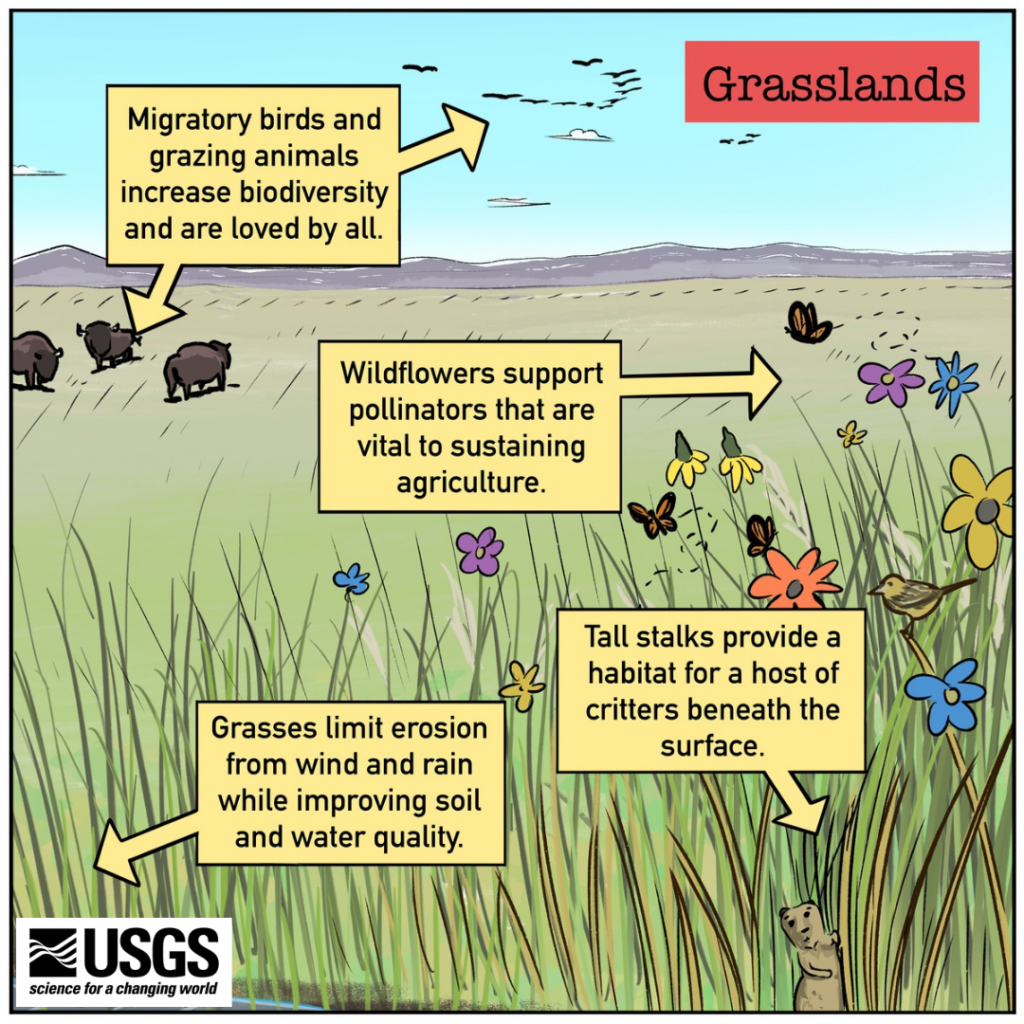
An illustrated landscape titled “Grasslands” depicts an open grassland with grazing animals, flying birds, tall grasses, wildflowers, butterflies and other pollinators, a small bird, and a burrowing animal. Four callouts describe grassland benefits:
- “Migratory birds and grazing animals increase biodiversity and are loved by all.” Arrows point toward grazing animals and migratory birds.
- “Wildflowers support pollinators that are vital to sustaining agriculture.” An arrow points toward wildflowers and butterflies.
- “Grasses limit erosion from wind and rain while improving soil and water quality.” An arrow points toward the grasses and ground.
- “Tall stalks provide a habitat for a host of critters beneath the surface.” An arrow points toward the base of the tall grasses, where a small burrowing animal is shown.
The USGS (U.S. Geological Survey) logo and the tagline “science for a changing world” appear in the lower-left corner.
How to Develop Conservation Grazing Plans
Augment Existing Grazing Planning Processes
The conservation grazing approach described in this series can support and build upon existing guidance and templates for writing grazing plans, including the Natural Resources Conservation Service (NRCS) Guide 528 Prescribed Grazing, the NRCS 9-Step Conservation Planning Process (NRCS, n.d.), and the Appropriate Technical Transfer for Rural Areas (ATTRA) Grazing Plan Manual and Workbook (ATTRA 2017). Additional resources are available at the WSU Conservation Grazing Toolkit, which provides an introduction to conservation grazing ecological principles, tools and practices, lessons from other regions of the world, videos, case studies, and grazing plan writing resources.
This Extension series does not replace but rather augments these resources by providing:
- A framework connecting (1) grassland ecology concepts to (2) areas of management decisions and (3) illustrative practices.
- A catalog of these example conservation grazing practices in action.
- A conservation grazing plan template, including planning prompts and worksheets to inform existing grazing planning tools.
Additionally, a Conservation Grazing Plan template and examples can be found in the grazing plan writing of the WSU Conservation Grazing Toolkit. Table 1 roughly follows NRCS Guide 528 and the NRCS 9-Step Conservation Planning Process to illustrate conservation elements that warrant heightened attention in grazing plans focused on conservation.
| Grazing Plan Element | Existing Planning Process | Additional Conservation Elements or Increased Focus | Notes |
|---|---|---|---|
| Goals and Objectives | Landowner goals. Pasture goals. Livestock goals. Conservation/habitat goals. Financial performance goals. Marketing goals. | Specific habitat niches. Specific species occupancy. Homogenous, heterogeneous, or mixed vegetation structure. Seasonality of bloom. Other ecosystem services. | Taking a holistic view here is critical. Conservation elements are not a box to check but one of the primary objectives of applying grazing for habitat goals. |
| Resource Inventory | Existing resource conditions and concerns. Ecological site or forage suitability group. Opportunities to enhance resource conditions. Location and condition of structural improvements, such as fences, water developments, etc., including seasonal availability and quality of watering sites. | Potential wildlife reintroduction site. Soil conditions with regard to the potential for floral species recovery. Wildlife inventory, use of site. Nearby habitat reserves: island-corridor potential. | Networking will be key here. Research local wildlife initiatives to guide priority species recovery. The US Fish and Wildlife Partners Program is a great entry point. |
| Forage Inventory | Expected forage quality, quantity, and species in each management unit(s). | Native species present. Non-native species of habitat value. Species on nearby parcels for range potential expansion. Species on similar parcels for potential range expansion. | - |
| Forage–Animal Balance | Ensures forage produced or available meets forage demand of livestock and wildlife. | Variable stocking rates considered based on target vegetation structure and habitat objectives. | - |
| Grazing Plan Developed | Identifies periods of grazing or browsing, deferment, rest, or other treatment activities for each management unit that accommodates the flexibility needed for adaptive management decisions as supported by the contingency plan and monitoring plan in order to meet goals and objectives. | Each management decision area is considered (Figure 1) in relation to habitat and other ecological and amenity goals at the site. Conservation grazing practices within management areas are drawn from the examples in publications 2 and 3 in this series, additional toolkit resources available online, and elsewhere. | Reading about, researching, and selecting specific practices in each management area is where the bulk of the work will take place. Focus here to understand the options available to you as a rancher or conservation land manager. |
| Contingency Plan | Details potential problems (e.g., drought, flooding, and insects) and serves as a guide for adaptive management decisions in grazing prescription adjustments in order to mitigate resource and economic effects. | Consider conservation-focused issues, such as available native seed or plugs, land to defer grazing during bloom periods, complex succession dynamics, opportunistic moments to shift plant community composition to desired ecological states and avoid degradation to undesired states. | - |
| Evaluate the Plan | Assess whether the grazing strategy is moving site conditions toward goals and objectives. Short-term and long-term monitoring may be needed to determine outcomes and support timely, adaptive management decisions. Identify the key areas, key plants, or other indicators the manager should evaluate to make grazing management decisions. | Proactively collaborate with working lands conservation partners for field expertise. Attend monitoring trainings, identify habitat indicators, heighten focus on and commit to species recovery, and other appropriate ecological indicators. | - |
Broaden Perspectives and Priorities
For a conservation grazing approach to work, land managers need to understand several things.
First, basic principles of grazing management are critical. These include goal setting, forage response to grazing, evaluating forage quality, and balancing forage availability with herd requirements and stocking rates, among others (Reece et al. 2008). Beyond these principles, land managers need to explore and understand:
- The context of their local environment, including what species and habitat assemblages need stewardship and support.
- The benefits their land provides in addition to forage and livestock production.
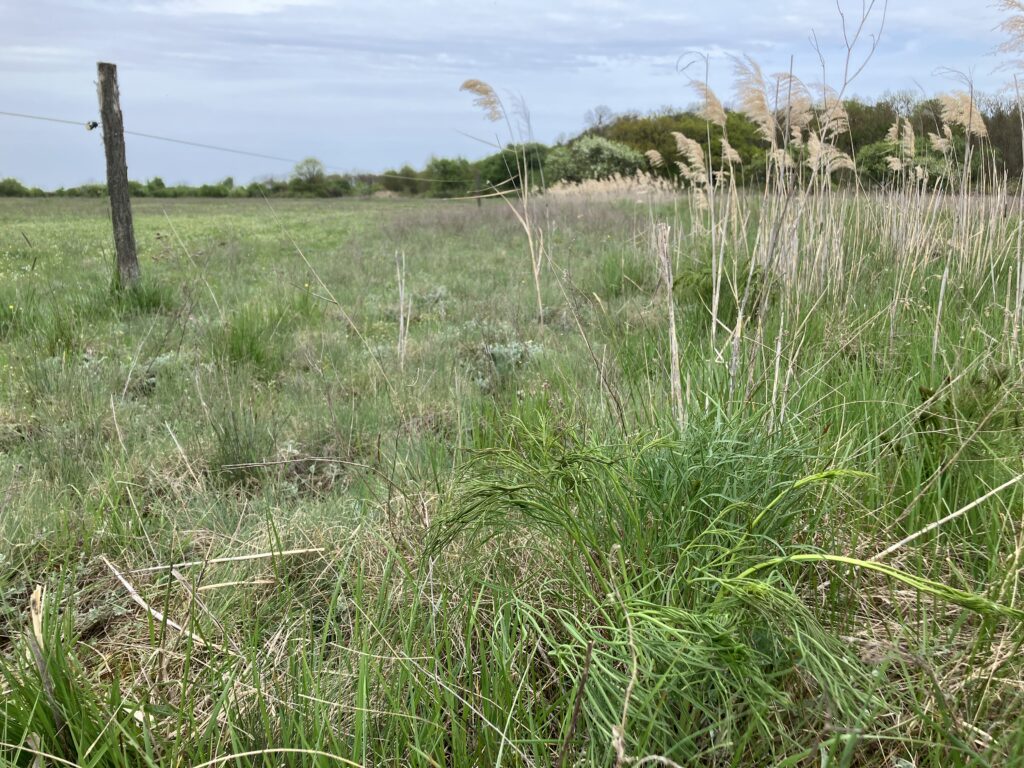
- The synergies that support operations while benefitting other conservation priorities, such as planned grazing to support host species for rare butterflies (Figure 22).
Land management priorities can then be chosen that support the farmer and are responsive to the context and needs of the regional biological community.
Next, land managers should be introduced to a wide variety of grazing and land management tools (such as those provided in this series) to illustrate how different management approaches produce different outcomes. Subsequent publications in this series explore specific grazing techniques in detail and highlight their application in various conservation settings. Additional grassland management tools, such as prescribed fire and seeding, need to be made available and accessible to private land managers. Localized education, demonstration, and support of their usage will help to achieve regional and site-specific priorities.
Finally, the land manager will need the freedom to apply, experiment with, and explore the suitability of these tools with respect to their site priorities (Table 2). Site, microsite, and annual variations are the rule, not the exception, and no publication can explain precisely what will occur at a given site under a specific management practice. On the bright side, considerable year-to-year variation actually supports experimentation by managers, yielding insight into how management actions play out under varying conditions. In this way, the land manager becomes the resource expert for their parcel. Technical service providers can introduce tools to the practitioner and provide guidance around application, but the farmer or conservation land manager becomes the active conservationist through empowerment and education. Government can incentivize various priority outcomes just as the market will encourage other priorities, and the farmer remains the final arbiter of which land values they prioritize. A farmer who knows the local biological community and is financially supported to prioritize its conservation is the greatest conservation ally.
Table 2. Land priorities that can be incorporated into a grazing plan.*| Livestock | Soil | Plants | Wildlife, People, and Cultures | Climate |
|---|---|---|---|---|
| Forage production | Improved soil structure | Plant diversity | Bird nesting habitat | Drought resilience |
| Forage diversification | Reduced soil compaction | Rare plant populations | Pollinator resources | Water quality |
| Livestock health | Increased soil biological activity | Native species introductions | Habitat for imperiled animals | Water conservation |
| Livestock growth | - | Foraging, harvesting uncultivated resources | Pastoral peoples, including conservation-minded ranchers, who steward grasslands | Carbon sequestration |
| - | - | Tree establishment | Pastoral cultures maintaining socio-ecological traditions | Reduction of chemical usage |
| - | - | Crop integration | - | - |
Conservation grazing, as presented here, supports the broadening of priorities to restore the beauty of agricultural land while sustaining rural life and livelihoods. By explicitly weighting non-production priorities, land managers may justify exploring practices and outcomes bearing no immediate economic return but that enhance specific qualities of the land they value. Some of these priorities may pay unexpected financial dividends through improved livestock, land, or farmer health.
Adapt Established Practices to Elevate Ecosystem Diversity and Functionality
This Extension series describes concepts, management areas, and practices that can be used to implement a conservation approach to grazing. These practices (and the resulting conservation grazing plans) are based on well-established grazing principles; however, these practices may also be based on sound ecological adaptations of these principles, and as a result may contrast markedly from accepted best management practices for pasture and rangeland management (see sidebar below). This contrast exists because ecosystem diversity and function (habitat niches on the landscape, pollination resources, etc.) is prioritized at least as much as forage production.
An Ecosystem Management Paradigm for Grazing Management
The ecosystem management paradigm, in the context of range or grassland management, aims to reintegrate grazing into landscape-scale ecological processes with the goal of restoring habitat functionality. With reestablishment of ecological processes as the long-term goal, it follows that specific grazing management practices will be guided by different objectives, rather than having long structured and guided range sciences.
Heterogeneity in vegetation structure (e.g., tall vegetation adjacent to short vegetation at the within- and between-pasture scales) may be more important to some wildlife than even utilization of forage (Figure 23), even while overuse of sensitive habitat (riparian areas, wetlands, others) needs to be restricted to prevent excessively variable utilization.
Similarly, some rare species (plants and wildlife) require heavy disturbance while others require minimal disturbance. Stocking rates can be set deliberately and variably across landscapes to generate disturbance gradients. In some cases, it may be impossible to manage to the needs of individual species and more practical to create disturbance gradients that generate contrasting niches for plants and wildlife (Figure 23).
Finally, there are few one-size-fits-all recommendations. While heterogeneity is appropriate for some applications and is often suitable for generalist species (Figure 23), others homogenous sites or either heavily or lightly grazed grasslands are critical for specialist grassland species. This is the case for streaked horned lark (Eremophila alpestris strigata) in the Pacific Northwest and great bustard (Otis tarda) in Europe, both of which prefer large tracts of open landscapes unbroken by hedges, tree lines, or other structural variation (Batary et al. 2011; WDFW, n.d.).
Subsequent publications provide numerous examples and illustrate how a distinct shift in thinking about how grazing principles are applied in practice is needed to achieve outcomes (i.e., habitat and species conservation) beyond forage and livestock production.
Socioeconomic and Cultural Considerations
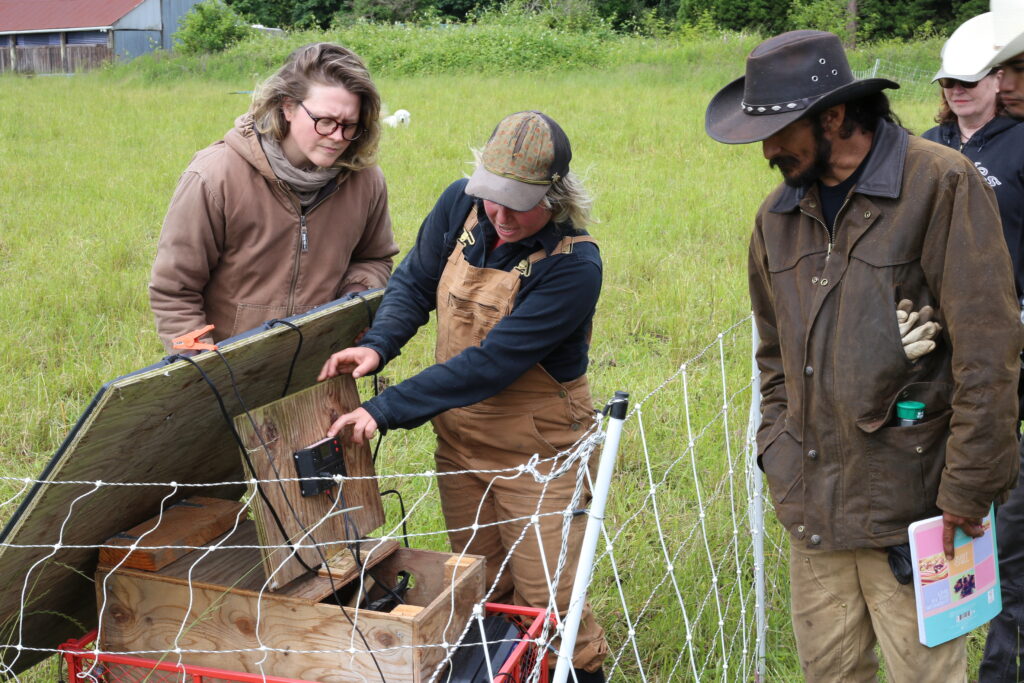
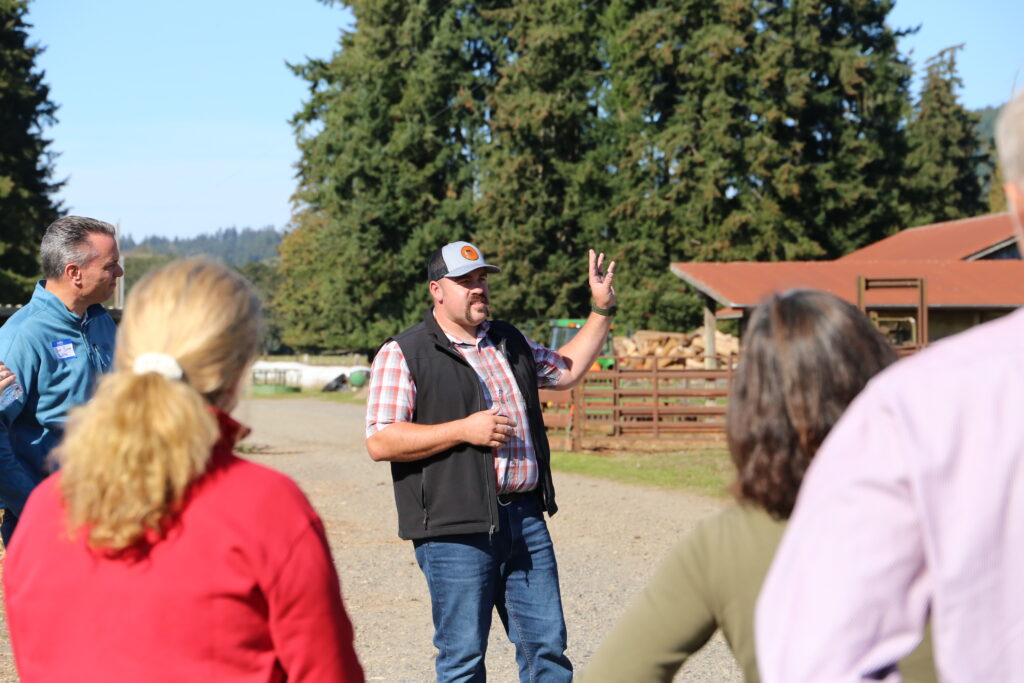
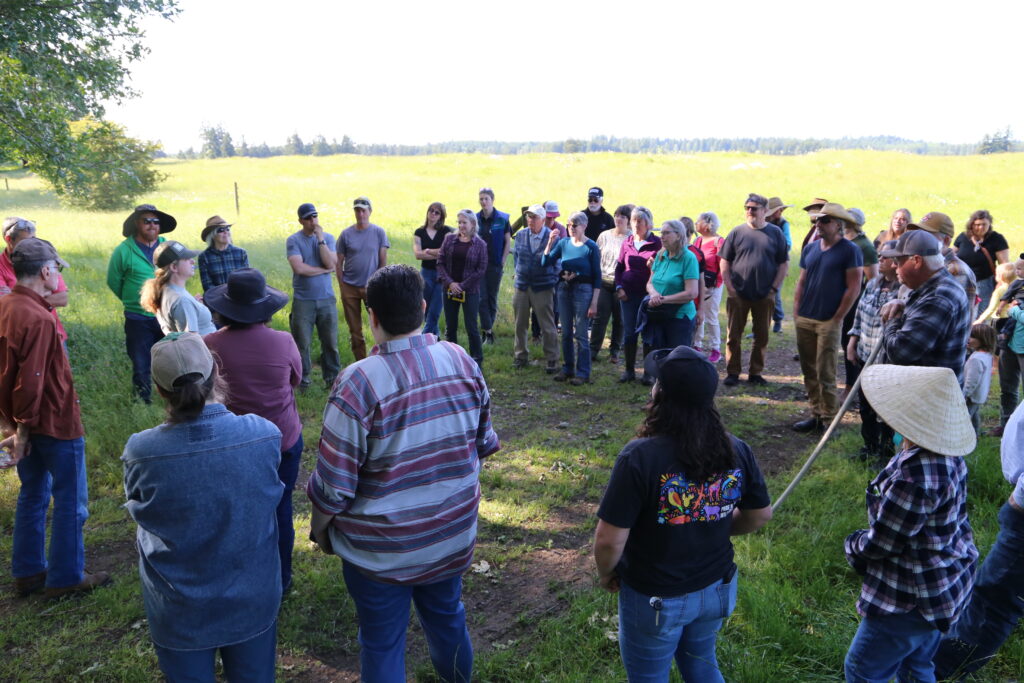
Finally, in developing practices and recommendations for this emerging field, it is important to take a multidisciplinary perspective. Much of the content in this series is informed by science- and experience-based concepts and practices, yet the success of their application will depend on cultural and socioeconomic conditions in specific places. For private land managers, for example, business decisions must support economic viability. Currently, many conservation objectives work at cross-purpose with current market signals, and, as a result, financial incentive mechanisms are necessary to successfully advance conservation on private lands. This is important not merely for conservation success but also for the financial success of private landowners who are critically important partners in this work (Figures 24 and 25). As one landowner said, “If you pay us to grow grass, we’ll grow grass. If you pay us to grow butterflies, we’ll grow butterflies.”
Similarly, many grasslands are owned or managed by Indigenous, farming, and otherwise deeply rooted multigenerational families. Based on the past experiences of these populations, the terms “conservation” or “grazing” can be associated with land displacement, loss of cultural values, lost access, costly regulatory burden, and uncompensated policy changes.
Conclusion
Conservation and grazing have not always been allies nor were they always compatible, but with appropriate knowledge, example practices, sound ecological principles, and cross-disciplinary collaborations, they can both be achieved on the same land, albeit with some give-and-take. This is an important alignment of priorities at a time of diminished economic opportunity for livestock producers, continuing grassland wildlife losses, and dwindling land availability that puts pressure on production and conservation. A multifunctional approach may provide mutual benefit and the best chances for wildlife and continued viability of grazing operations.
References
Ashworth, A.C., and R.E. Nelson. 2014. The Paleoenvironment of the Olympia Beds Based on Fossil Beetles from Discovery Park, Seattle, Washington, U.S.A. Quaternary International 341: 243–254.
ATTRA. 2017. Grazing Plan Manual and Workbook.
Batary, P., J. Fischer, A. Baldi, T.O. Crist, and T. Tscharntke. 2024. Does Habitat Heterogeneity Increase Farmland Biodiversity? Ecological Society of America 9(3): 152-153.
Bengtsson, J., J.M. Bullock, B. Egoh, et al. 2019. Grasslands—More Important for Ecosystem Services Than You Might Think. Ecosphere 10(2): 1–20.
Boyce, A.J., H. Shamon, and W.J. McShea. 2022. Bison Reintroduction to Mixed-Grass Prairie Is Associated with Increases in Bird Diversity and Cervid Occupancy in Riparian Areas. Frontiers in Ecology and Evolution 10.
Bramwell, S.G., P. Watson, and K. Painter. 2020. Economic Impacts of Using Working Lands and Prairie Preserves for Habitat Protection, Thurston County, Washington. U.S. Department of Agriculture, Western Sustainable Agriculture Research and Education Grant Report.
Ceballos, G., P.R. Erlich, A.D. Barnosky, A. García, R.M. Pringle, and T.M. Palmer. 2015. Accelerated Modern Human-Induced Species Losses: Entering the Sixth Mass Extinction. Science Advances 1(5): e1400253.
Crawford, R.C., and H. Hall. 1997. Changes in the South Puget Prairie Landscape. Report for the Nature Conservancy. Washington Department of Natural Resources Natural Heritage Program.
Creamer, P. 2012. Dispatches from the Prairie: French Descriptions of Earliest Chicago. Proceedings of the 2012 AATF Convention.
Dunn, P., and J. Fleckenstein. n.d. Butterflies of the South Puget Sound Prairie Landscape. Nature Conservancy of Washington Report.
Frank, D.A. 2005. The Interactive Effects of Grazing Ungulates and Aboveground Production on Grassland Diversity. Oecologia 143(4): 629–634.
Freese, C.H., S.D. Fuhlendorf, and K. Kunkel. 2014. A Transition Framework for the Transition from Livestock Production Toward Biodiversity Conservation on Great Plains Rangelands. Ecological Restoration 32(4): 358–268.
Fuhlendorf, S.D., D.M. Engle, R.D. Elmore, R.F. Limb, and T.G. Bidwell. 2012. Conservation of Pattern and Process: Developing an Alternative Paradigm of Rangeland Management. Rangeland Ecology and Management 65(6): 579–589.
Gao, J., and Y. Carmel. 2020. A Global Meta-Analysis of Grazing Effects on Plant Richness. Agriculture, Ecosystems & Environment 302.
Gibson, D.J. 2009. Grasses and Grassland Ecology. Oxford University Press.
Goodwin, J., and L. Porensky, eds. 2023. Rangeland Ecosystem Services: Connecting Nature and People. A Society for Range Management Task Force Report.
Habel, J.C., J. Dengler, M. Janisova, P. Torok, C. Camilla, and M. Wiezik. 2013. European Grassland Ecosystems: Threatened Hotspots of Biodiversity. Biodiversity Conservation 22: 2131–2138.
Hamman, S. 2021. Bringing Back the Riches of the Prairies. Salish Magazine. SEA-Media.
Havstad, K.M., D.P.C. Peters, R. Skaggs, et al. 2007. Ecological Services to and from Rangelands of the United States. Ecological Economics 64: 261–268.
Mahony, N.A., B.C. Dale, and D.A.W. Miller. 2022. Grassland Bird Population Declines at Three Breeding Bird Survey Spatial Scales in Contrast to a Large Native Prairie. Ecosphere.
Moran, M.D. 2014. Bison Grazing Increases Arthropod Abundance and Diversity in a Tallgrass Prairie. Environmental Entomology 43(5): 1174–1184.
NABCI (North American Bird Conservation Initiative). 2022. State of the Birds 2025.
Noland, S., and L. Carver. 2011. Prairie Landowners Guide for Western Washington. The Nature Conservancy.
NRCS. n.d. Nine-Step Conservation Planning Process.
Payne, F. 2020. Conservation Grazing—What Is It and Why Do We Do It?
Peterken, G. 2013. Meadows. The British Wildlife Collection, no. 2. British Wildlife Publishing.
Phalan, B., R. Green, and A. Balmford. 2014. Closing Yield Gaps: Perils and Possibilities for Biodiversity Conservation. Philosophical Transactions of the Royal Society 369.
Reece, P.E., J.D. Volesky, and W.H. Schacht. 2008. Integrating Management Objectives and Grazing Strategies on Semi-Arid Rangeland. University of Nebraska Lincoln Extension Publication EC158. University of Nebraska.
Renard, D., and D. Tilman. 2021. Cultivate Biodiversity to Harvest Food Security and Sustainability. Current Biology 31: R1154–R1258.
Robinson, N.P., B.W. Allred, D.E. Naugle, and M.O. Jones. 2019. Patterns of Rangeland Productivity and Land Ownership: Implications for Conservation and Management. Ecological Applications 29(3).
Rosenberg, K.V., A.M. Dokter, P. J. Blancher, et al. 2019. Decline of the North American Avifauna. Science 366: 120–124.
Squires, V.R., J. Dengler, L. Hua, and H. Feng, eds. 2021. Grasslands of the World: Diversity, Management and Conservation. CRC Press.
Tallowin, J. 2021. An Introduction to Conservation Grazing of Meadows—Part 1. Webinar Presentation to Moor Meadows. North Wyke Rothamstead Research.
WDFW. n.d. Streaked Horned Lark.
WDFW. 2023. Priority Habitats and Species List.
WDFW. 2024. Westside Prairie.
Westoby, M., B. Walker, and I. Noy-Meir. 1989. Opportunistic Management for Rangelands Not at Equilibrium. Journal of Range Management 42(4): 266–274.
Williams, D.R., C. Rondinini, and D. Tilman. 2022. Global Protected Areas Seem Insufficient to Safeguard Half of the World’s Mammals from Human-Induced Extinction. Ecology Sustainability Science 119(24): 1–8.
By,
Stephen Bramwell, Associate Professor Agriculture and Natural Resources, Washington State University Extension
Sarah Hamman, Director of Science, Ecostudies Institute
Marty Chaney, Pasture Management Specialist, Natural Resources Conservation Service
Sierra Smith, Regional Agriculture Faculty, Washington State University Extension
Taylore Straight, Regional Extension Educator, Washington State University

FS409E

Copyright © Washington State University
WSU Extension publications contain material written and produced for public distribution. Alternative text descriptions for select complex images were generated using ChatGPT (OpenAI), then reviewed and adapted to ensure compliance with Web Content Accessibility Guidelines (WCAG) accessibility standards.
Issued by Washington State University Extension and the US Department of Agriculture in furtherance of the Acts of May 8 and June 30, 1914. Extension programs and policies are consistent with federal and state laws and regulations on nondiscrimination regarding race, sex, religion, age, color, creed, and national or ethnic origin; physical, mental, or sensory disability; marital status or sexual orientation; and status as a Vietnam-era or disabled veteran. Evidence of noncompliance may be reported through your local WSU Extension office. Trade names have been used to simplify information; no endorsement is intended.