Description
Why Backyard Fruit Trees Are Not for Everyone
The Yakima Valley, Wenatchee Valley, and Columbia Basin regions of Washington State are considered the “tree-fruit baskets” of the United States (Figure 1). Together these areas produce the largest volume of deciduous tree fruit in the nation. Central Washington State’s dry weather, warm spring season, hot summer days, and cool autumn nights are ideal for the commercial production of apples, apricots, pears, plums, prunes, peaches, nectarines, and both sweet and tart cherries.
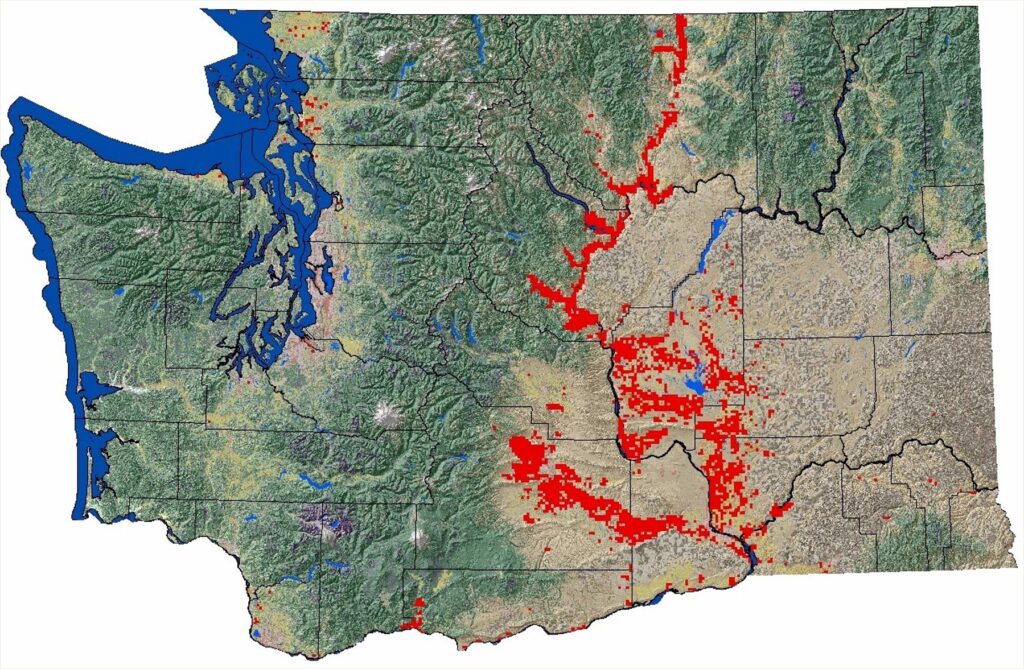
With over 230,000 acres of fruit orchards in these major fruit-growing areas of Washington, the incidence of fruit-tree insect pests is quite high. Key pests include the codling moth (Cydia pomonella) (Figures 2 and 3), which attacks apple and pear fruit and the western cherry fruit fly (Rhagoletis indifferens) (Figure 4), which attacks cherry fruit. In the state’s fruit-growing areas, these insect pests have no difficulty finding fruit trees to serve as plant hosts.
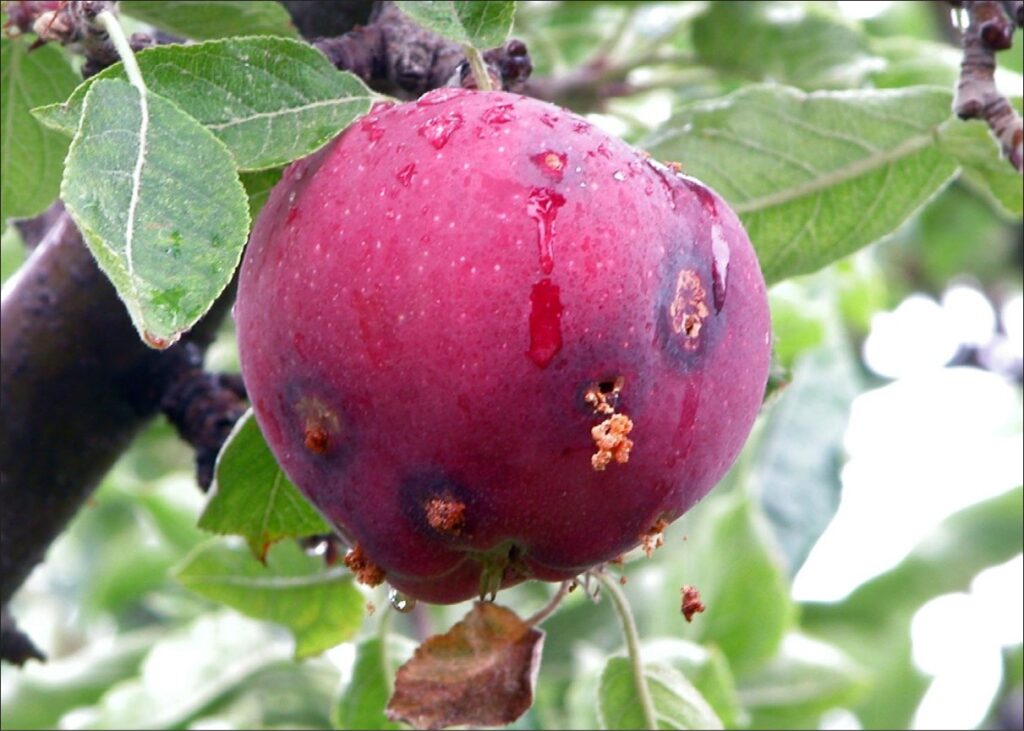
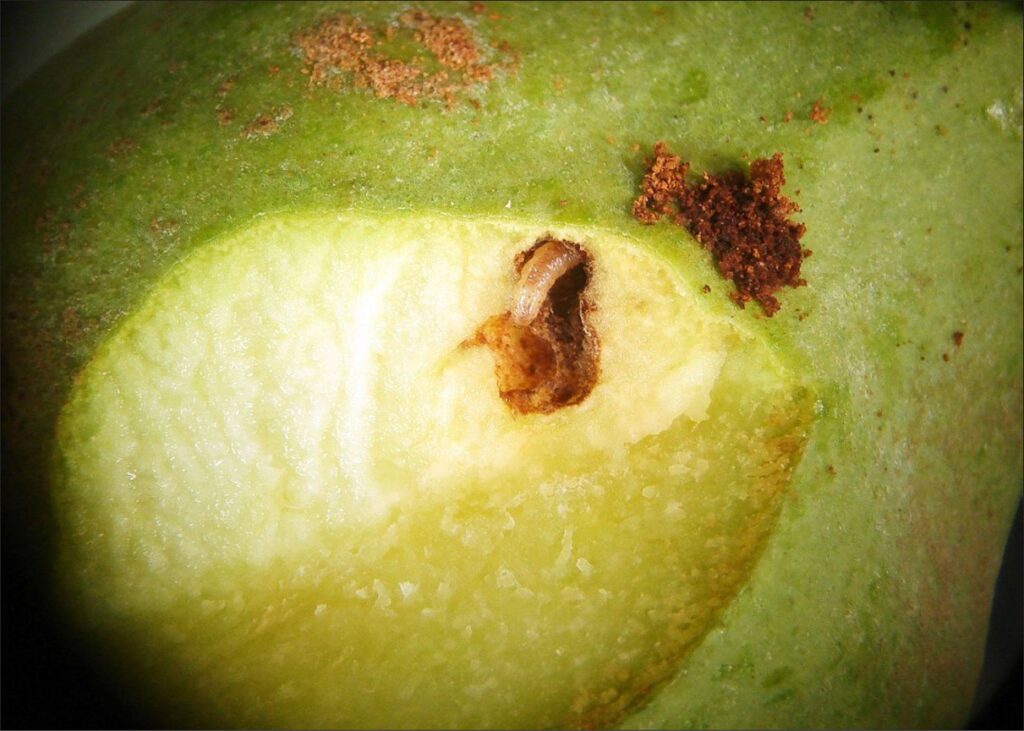
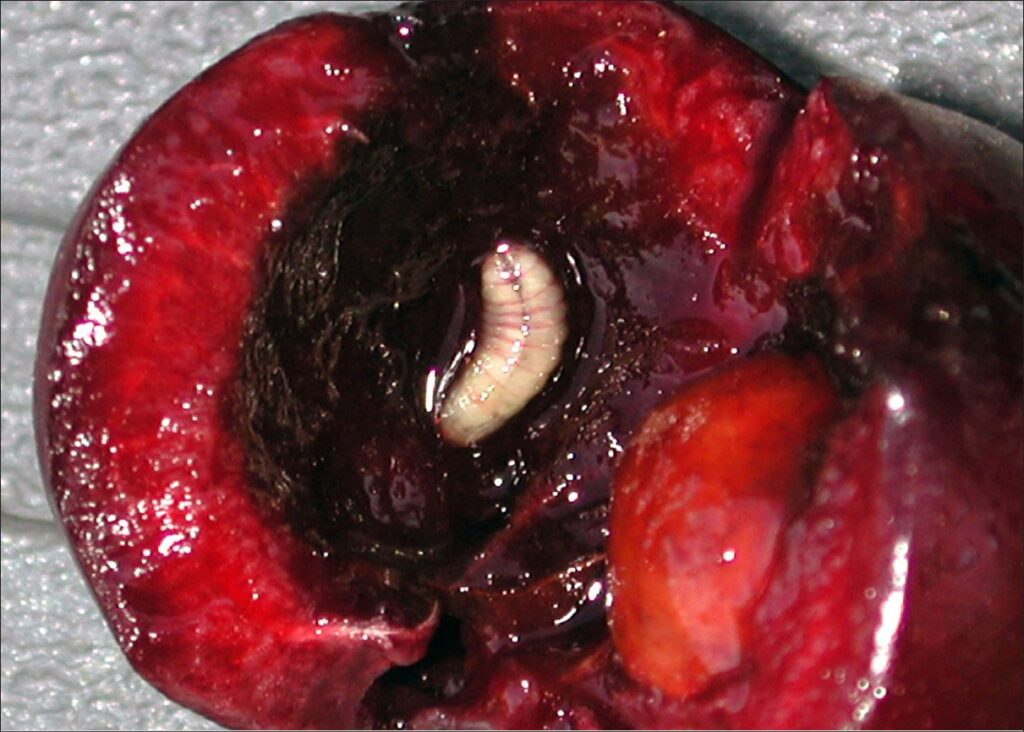
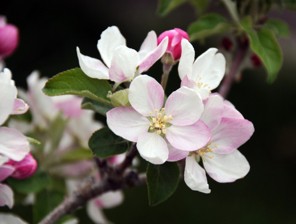
Before planting an apple, pear, or cherry tree for its beauty and bounty, residents who live in Washington’s major fruit-producing areas should consider the downside of planting fruit trees in their home landscape. Throughout Washington State, homeowners need to be aware of the insect pests that can infest the fruit of these trees and contribute to the amount of work required to grow pest-free fruit.
Washington homeowners who plant apple, pear, or cherry trees are legally responsible for controlling the insect pests in host trees on their property (see Revised Code of Washington 15.09). The rationale behind this law is to protect Washington State fruit growers from economic losses when fruits infested with insect pests are rejected in domestic and overseas markets. Economic losses are also linked to additional management strategies (often pesticide applications) that are required to protect crops when these pests migrate to commercial orchards from neglected backyard fruit trees.
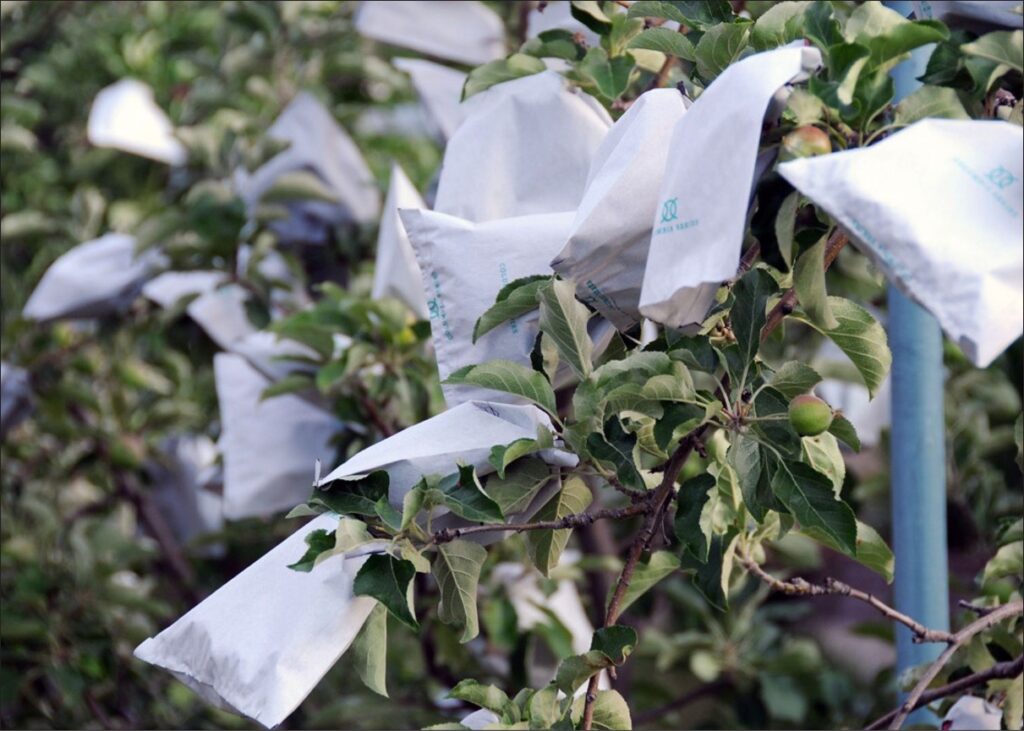
Pest control typically requires multiple pesticide applications every year, or labor-intensive practices like bagging all the fruit on the tree (Figure 5). Furthermore, WSU, as well as many pesticide manufacturers, advises against foliar pesticide applications (that is spraying pesticides directly onto leaves) when trees are over ten feet tall. Homeowners should consult a commercial pesticide applicator for treatment of fruit trees over this height.
For homeowners who live in fruit-producing areas, it is far easier and cheaper to drive to a local fruit stand or farmers market than it is to deal with wormy fruit or to apply pesticides several times every year. Numerous WSU Extension publications provide information on how to control troublesome fruit-tree pests, both organically and conventionally. To obtain these WSU publications, contact your local WSU Extension office at 509-335-2857.
Homeowners who still want to plant fruit trees should con-sider peach, nectarine, apricot, prune, or plum trees. The fruits of these trees are not regularly attacked by trouble-some insect pests, so they may not require multiple pesti-cide applications during the growing season.
Further Readings
- Bessin, R., and J. Hartman. 2003. Bagging Apples: Alterna-tive Pest Management for Hobbyists. University of Kentucky Publication ENTFACT-218.
- Brunner, J.F. 1993. Codling Moth, Orchard Pest Management Online, WSU Tree Fruit Research & Extension Center.
- Knopf, D., and D. Koong. 2011. Washington Tree Fruit Acreage Report 2011.
- Messina, F.J., and T.J. Smith. 2010. Western Cherry Fruit Fly, Orchard Pest Management Online, WSU Tree Fruit Research & Extension Center.
- WSU Extension. 2013. Hortsense: Home Gardener Fact Sheets for Managing Plant Problems with IPM or Integrated Pest Management. Washington State University.
- WSU Extension. 2013. Apple: Codling Moth. In Hortsense: Home Gardener Fact Sheets for Managing Plant Problems with IPM or Integrated Pest Management. Washington State University.
- WSU Extension. 2013. Cherry: Cherry Fruit Fly. In Hortsense: Home Gardener Fact Sheets for Managing Plant Problems with IPM or Integrated Pest Management. Washington State University.
- WSU Extension. 2013. Pear: Codling Moth. In Hortsense: Home Gardener Fact Sheets for Managing Plant Problems with IPM or Integrated Pest Management. Washington State University.

By Mike Bush, Extension Entomologist, WSU Yakima County Extension, Union Gap, WA; and Marianne Ophardt, Area Horticulture Specialist, WSU Benton County, Kennewick, WA.
Copyright 2014 Washington State University
WSU Extension bulletins contain material written and produced for public distribution. Alternate formats of our educational materials are available upon request for persons with disabilities. Please contact Washington State University Extension for more information.
You may download copies of this and other publications from WSU Extension.
Issued by Washington State University Extension and the U.S. Department of Agriculture in furtherance of the Acts of May 8 and June 30, 1914. Extension programs and policies are consistent with federal and state laws and regulations on nondiscrimination regarding race, sex, religion, age, color, creed, and national or ethnic origin; physical, mental, or sensory disability; marital status or sexual orientation; and status as a Vietnam-era or disabled veteran. Evidence of noncompliance may be reported through your local WSU Extension office. Trade names have been used to simplify information; no endorsement is intended. Published April 2014.