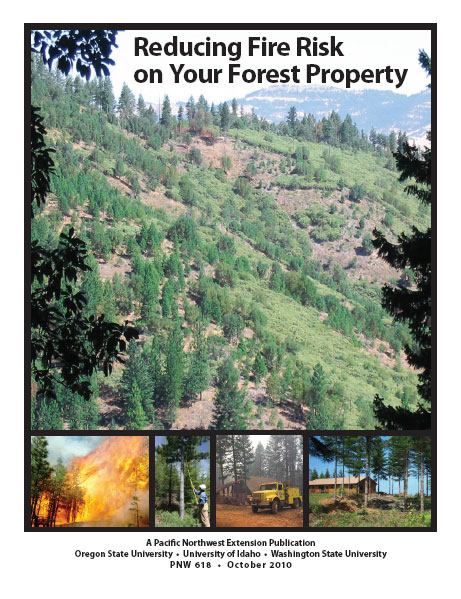
Reducing Fire Risk on Your Forest Property
$12.00
The degree of wildfire risk depends on both the probability of an ignition and the potential for loss of trees, homes, and even lives. Whether you own a few acres or thousands, this publication will help you make your property more resistant to wildfire damage as well as improve overall forest health and wildlife habitat. By following the guidelines in this publication, fires that do occur will be less severe.
Published: October 2010
Reviewed: October 2018
30 in stock
Related publications
-
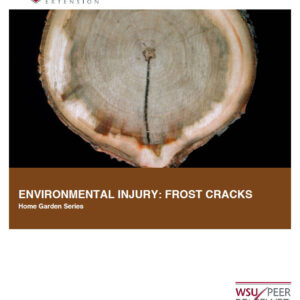
Environmental Injury: Frost Cracks (Home Garden Series)
Trees can suffer all kinds of injury, including damage caused by the environment. Frost cracks are one type of environmental injury that appear to occur after very severe cold winter weather. This pub ...
- Published:
- March 2016
- SKU:
- FS199E
Authors: -
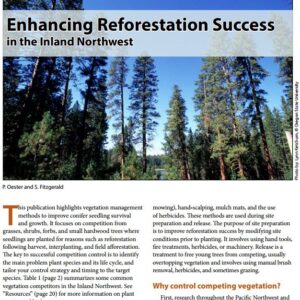
Enhancing Reforestation Success in the Inland Northwest
Vegetation control techniques to improve conifer seedling survival and growth are described and compared for common area-specific forest competitors. Mechanical methods (such as tilling and mowing) ...
- Revised:
- January 2020
- Reviewed:
- January 2023
- SKU:
- PNW520
Authors: -
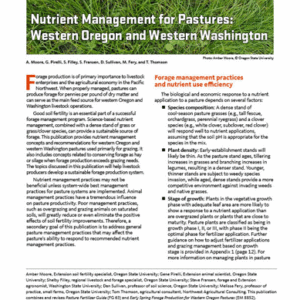
Nutrient Management for Pastures: Western Oregon and Western Washington
Describes nutrient management practices for pastures to produce forage as a main feed source for western Oregon and Washington livestock.
- Published:
- January 2019
- Reviewed:
- January 2023
- SKU:
- EM9224
Authors: -
Your Forest Stewardship Plan
A written forest stewardship plan is an important tool for helping landowners identify and achieve their forest ownership objectives.
- Published:
- November 2011
- SKU:
- FS060E
Authors: