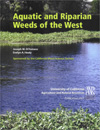
Aquatic and Riparian Weeds of the West
$28.00
This is a practical guide to the identification and biology of submerged, floating-leaved, and emergent aquatic and riparian weeds.
Hurry! Only 2 left in stock.
2 in stock
Related publications
-
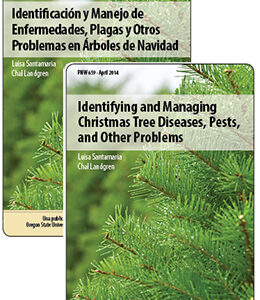
Identifying and Managing Christmas Tree Diseases, Pests, and Other Problems/Identificación y Manejo de Enfermedades, Plagas y Otros Problemas en Árboles de Navidad
Click on the link below to visit the mobile-friendly companion website, or order a hard copy ($33) from OSU.
- Published:
- April 2014
- Reviewed:
- January 2024
- SKU:
- PNW659
Authors: -
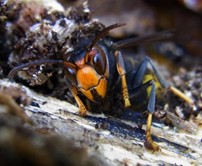
Avispón de patas amarillas: Lo que los apicultores deben saber
El avispón de patas amarillas, un depredador invasor originario del sudeste asiático, representa una amenaza para las abejas melíferas en Estados Unidos. Según modelos climáticos, el noroeste del Pacífico podría volverse cada vez más similar…
- Published:
- September 2026
- SKU:
- FS402ES
-

Best Management Practices for Construction of Sand-Based, Natural Athletic Fields for Football and Soccer
Sand-based, natural turfgrass and synthetic surfaces are the two best options for athletic fields in the rainy Pacific Northwest. Comparatively, natural fields are less expensive to construct and repl ...
- Revised:
- August 2015
- Reviewed:
- January 2024
- SKU:
- PNW675
-
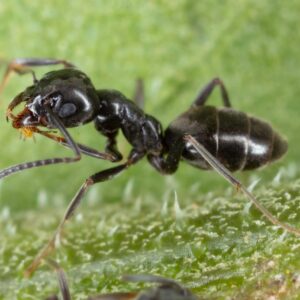
Odorous House Ant (Tapinoma sessile Say)
Commonly infesting homes, buildings, and household food items, the odorous house ant is a widely distributed, native species found throughout North America. Learn how to prevent or manage an outbreak and explore the biology and…
- Published:
- July 1998
- Revised:
- April 2026
- SKU:
- EB1550E
Authors: